Children learn far more than facts and school subjects. Every day, they discover how to treat others, respond when things go wrong and make thoughtful choices. Parents cannot protect children from every disappointment, but they can guide them by teaching values and practical skills that help them face life with confidence. Children also learn by observing how adults behave, communicate and handle everyday situations.
The most meaningful Life Lessons for Children are not taught through lectures alone. They develop through conversations, positive examples and small responsibilities at home. By practising these values consistently, parents can help children become thoughtful, dependable and kind.
Read more about how children learn by example.
Table of Contents
Why These Lessons Matter
Children watch how adults solve problems, keep promises and treat others. UNICEF describes life skills as abilities that support critical thinking, problem-solving, communication and relationships. Children need chances to practise these skills, not just hear about them. These Life Lessons for Children grow through real situations. A board game, shared chore or disagreement with a friend can all become useful learning moments.
Six Life Lessons Every Parent Can Teach
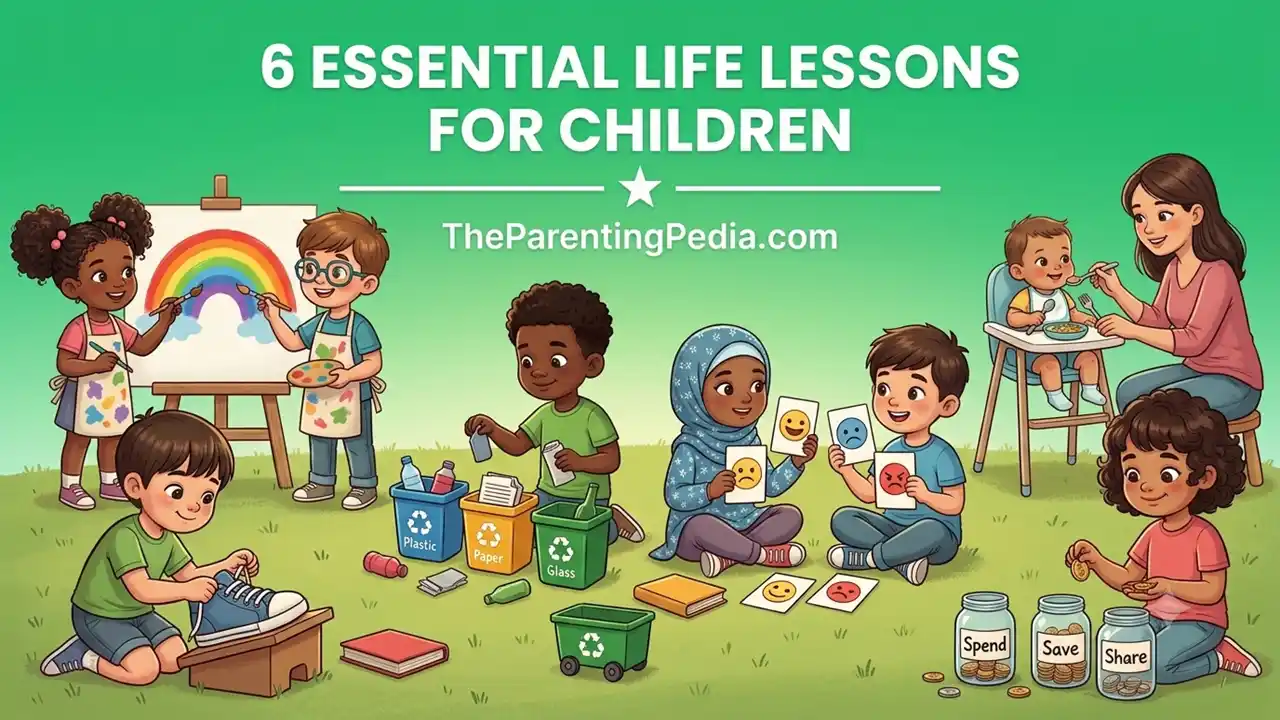
1. Keep Learning and Stay Curious
Knowledge is a starting point, but learning is much wider than school marks. It includes asking questions, reading, exploring interests and trying unfamiliar skills. When your child asks how a plant grows, welcome the question. You might say, “I’m not sure. Let’s find out together.”
Praise effort, not only high marks. When a puzzle feels difficult, encourage another attempt before stepping in. Let children see you learning: read, practise a hobby or look up what you do not know. One of the most useful Life Lessons for Children is that learning continues throughout life.
2. Be Humble and Respectful
Humility does not mean having a low opinion of yourself. It means recognising that others have something to teach you and that everyone deserves respect. Children learn this by watching how adults behave when they disagree or make mistakes.
Say, “I hadn’t thought of it that way,” or “I was wrong. I’m sorry.” Encourage children to listen, accept fair feedback and celebrate others’ success. The Raising Children Network highlights the value of parents modelling the behaviour they want to see. Ask children how another person might feel, and listen to their answers without rushing to correct them.
3. Become Someone Others Can Trust
Trust grows through honesty and follow-through: telling the truth, keeping promises, returning borrowed things and admitting mistakes. Make it clear that honesty matters more than escaping trouble.
If your child breaks a cup, respond calmly: “Thank you for telling me. Let’s clean it up safely.” You can set a fair consequence while making honesty feel safe. Give children simple duties, such as returning library books or completing an agreed task. Keep your own promises, too. Trust grows when words and actions match consistently, even in small matters.
4. Understand the Value of Money
Money can provide choices, but it does not measure a person’s worth or guarantee happiness. Children can learn that money is limited, saving involves waiting and spending means making decisions.
At a shop, explain the difference between a need and a want. An older child might save part of a birthday gift. MoneyHelper recommends simple conversations and practical experiences to build money habits. Keep talks calm; do not burden children with adult financial worries. Let children make small, age-appropriate spending choices and talk through what they learned afterward.
Try three money jars labelled “Save,” “Donate” and “Spend,” and help your child divide a small amount. These Life Lessons for Children become more useful as children gain independence.
5. Use What You Have Responsibly
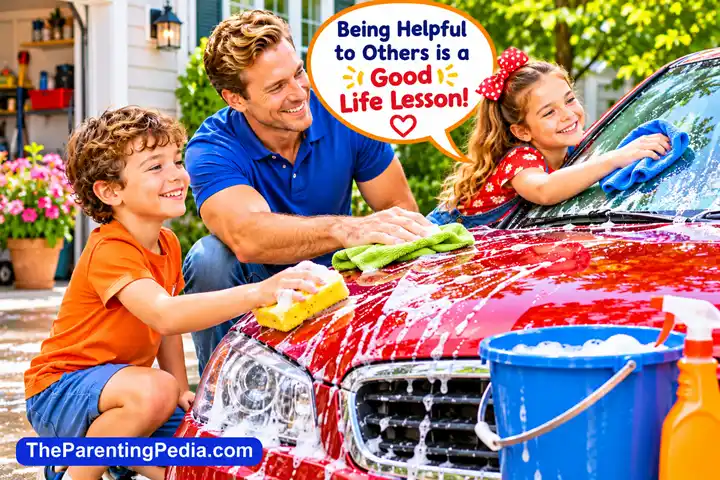
Responsibility means thinking about how your actions and resources affect other people. Children can practise by caring for a borrowed book, switching off unused lights, helping with a household task or supporting a classmate.
Explain the reason behind a rule: “We are returning this because it belongs to someone else.” Encourage generosity without pressure. Children can share time, make a card or help with a task. Doing the right thing matters even without a reward. Invite them to care for shared spaces and belongings, too.
6. Build Happiness Through Gratitude and Relationships
Happiness does not mean getting everything you want or feeling cheerful all the time. It can grow through loving relationships, play, learning, helping others and noticing ordinary good moments.
At dinner or bedtime, ask, “What was one good part of your day?” Listen without lecturing. When your child feels disappointed, acknowledge the feeling instead of insisting they should be grateful. Once they feel heard, help them notice what else matters.
Sadness and frustration are normal. Help children name feelings and cope in healthy ways. Gratitude should support wellbeing, not silence difficult emotions.
How Parents Can Teach Life Lessons Through Everyday Moments
No special lesson plan is needed. Connect values to daily life: read together, discuss a purchase, apologise after an argument or give your child a small job. These moments make Life Lessons for Children practical.
Match tasks to your child’s age. A preschooler can practise taking turns; an older child can compare prices or plan a budget. Allow safe mistakes and ask, “What could you try next time?” Correct behaviour without labelling the child.
Notice progress without making it a competition. Praise small actions, such as telling the truth, waiting before buying or including a classmate. Practise what you teach: use respectful words and admit your mistakes. Friends and teachers influence children too, so keep communication open and offer a supportive home base.

Frequently Asked Questions
What are the most important Life Lessons for Children?
Start with curiosity, respect, honesty, responsibility, sensible money habits and gratitude. The emphasis changes with age, but each value can be practised at home.
At what age should parents start teaching life lessons?
Begin in early childhood with kindness, taking turns, honesty and caring for belongings. Add conversations about money, fairness and decisions as children mature.
What if my child does not follow these lessons consistently?
That is normal. Children need repetition, calm guidance and chances to practise. Correct the behaviour without labelling the child, explain what needs to change and recognise progress. Seek professional advice if you have ongoing concerns about behaviour, learning or emotional wellbeing.
Conclusion
The most meaningful Life Lessons for Children grow through everyday examples, patient guidance and practice. Encourage curiosity, model respect, build trust, explain money and show how responsible choices affect others. Make room for gratitude while allowing children to express difficult feelings. They will not master every value at once, and parents will not get every moment right either. Choose one small habit to practise today. Over time, these experiences can help children develop sound judgement, stronger relationships and a thoughtful approach to life.
Author’s Note
TheParentingPedia.com creates evidence-informed parenting content researched using trusted child-development and public-interest sources. This article is for general educational purposes and does not replace personalised professional advice when individual guidance is needed.
Sources & Further Reading
UNICEF — Guide: Adolescents and life skills education
Raising Children Network — Parents as role models for pre-teens and teenagers
MoneyHelper — How to talk to your children about money

TheParentingPedia editorial team creates practical, research-informed parenting content to help parents navigate everyday challenges, child development, behavior, and family life. Our articles draw on reputable parenting and child-development sources and are reviewed for clarity, accuracy, and practical usefulness.