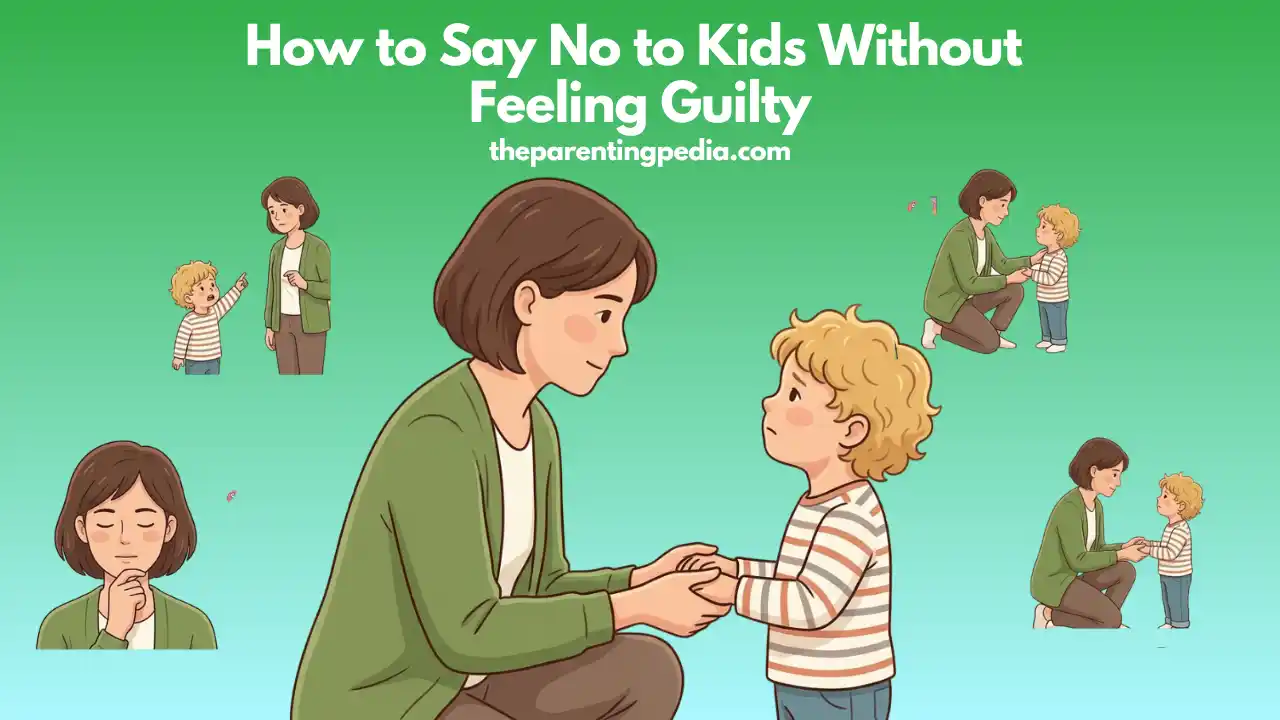
Saying “No” to children is one of the most challenging parts of parenting. Many parents worry that refusing a request will hurt their child’s feelings or make them unhappy. However, always saying “Yes” can create unrealistic expectations and unhealthy habits. Learning how to say no to kids without feeling guilty helps children develop discipline, patience, responsibility, and emotional resilience. The key is to set loving boundaries while maintaining a strong parent-child relationship.
Table of Contents
This article is based on positive parenting principles commonly recommended by child development experts and family counselors.
Why Is It Important to Say No to Children?
Children need boundaries to feel safe and learn appropriate behavior. While saying “Yes” may provide temporary happiness, saying “No” at the right time teaches valuable life skills.
Benefits of saying no include:
- Encourages self-discipline
- Builds patience and resilience
- Teaches responsibility
- Prevents unhealthy habits
- Develops emotional maturity
- Prepares children for real-world challenges
A child who learns to accept limits is often better prepared to handle disappointments and setbacks later in life.
Creating healthy boundaries is just one part of positive parenting. Parents can also explore effective discipline strategies that encourage good behavior without punishment.

Why and How to Say No to Kids Without Feeling Guilty
Many parents experience guilt when they refuse their child’s requests. This feeling is common and often comes from love and concern.
Some common reasons include:
- Wanting to keep children happy
- Busy work schedules
- Fear of tantrums or emotional reactions
- Social pressure from family or friends
- Emotional attachment to the child
Parents should remember that guilt does not always mean they are doing something wrong. In many situations, saying “No” is actually a responsible parenting decision.
Signs Your Child Is Hearing Too Many “Yeses”
When children rarely hear “No,” certain behavioral patterns may begin to appear.
Some warning signs include:
- Frequent tantrums when denied
- Impatience
- Constant demands for new things
- Difficulty accepting disappointment
- Lack of respect for household rules
- Entitled behavior
Recognizing these signs early allows parents to create healthier boundaries before habits become difficult to change.
7 Ways to Say No Without Feeling Guilty
1. Remember That Saying No Is Part of Parenting
Setting limits is not a sign of being a strict parent. It is an important part of helping children learn responsibility and self-control.
2. Stay Calm and Consistent
Children respond better when parents remain calm. Avoid yelling or becoming emotional. A calm and confident response makes your decision easier to accept.
3. Explain Your Reason
Children are more likely to cooperate when they understand why a request has been denied. Simple explanations encourage learning and trust.
4. Offer an Alternative
Instead of focusing only on the refusal, suggest another option.
For example:
- “We can’t buy that toy today, but we can save for it.”
- “You can’t have more screen time now, but we can play a board game together.”
5. Do Not Give In to Tantrums
If parents regularly change their decision after a tantrum, children may learn that emotional outbursts are effective tools for getting what they want.
6. Praise Positive Responses
When children accept a refusal calmly, acknowledge their behavior. Positive reinforcement encourages emotional growth and self-control.
7. Prioritize Quality Time
Many children seek connection more than material things. Spending quality time together often reduces attention-seeking behavior and unnecessary demands.
Spending meaningful time together can strengthen family relationships and improve a child’s emotional well-being.

Age-Based Tips for Saying No
Toddlers (2–5 Years)
- Use simple language
- Stay consistent
- Redirect attention when possible
- Be patient during emotional reactions
School-Age Children (6–12 Years)
- Explain the reason behind rules
- Encourage responsibility
- Teach delayed gratification
Teenagers (13–18 Years)
- Discuss boundaries openly
- Respect their opinions
- Set logical and realistic limits
Parents should adjust their communication style according to their child’s age and developmental stage.
Benefits of Setting Healthy Boundaries
Emotional Benefits
- Improves emotional regulation
- Builds patience
- Increases confidence
Behavioral Benefits
- Encourages discipline
- Reduces demanding behavior
- Strengthens accountability
Life Skills Benefits
- Teaches decision-making
- Helps children manage disappointment
- Builds resilience for adulthood
Research shows that consistent boundaries help children develop emotional and social skills that support long-term success.

When Should Parents Seek Professional Help?
While occasional tantrums are normal, parents should seek professional guidance if:
- Tantrums become extreme or aggressive
- Anger issues worsen significantly
- The child refuses all boundaries
- Family relationships are being affected
- Emotional difficulties interfere with daily life
A child psychologist or parenting counselor can help identify underlying concerns and provide practical support.
Parents concerned about severe behavioral challenges can seek guidance from qualified child development professionals.
Every child is different, and parents may need to adapt these strategies according to their child’s age, temperament, and individual needs.
FAQs
Q.1 Why do parents feel guilty when saying no to their children?
Ans. Many parents worry that refusing a request may hurt their child’s feelings or make them unhappy. However, setting healthy boundaries is an important part of positive parenting and child development.
Q.2 How often should parents say no to their children?
Ans. Parents should say “No” whenever a request is unsafe, unhealthy, or against family rules. The goal is not to say no frequently but to use it consistently when necessary.
Q.3 Can saying no improve a child’s behavior?
Ans. Yes. Appropriate boundaries help children learn discipline, patience, responsibility, and respect for rules. It also reduces demanding and entitled behavior over time.
Q.4 What is the best way to say no without causing tantrums?
Ans. Stay calm, explain your reason clearly, and offer an alternative when possible. Children usually respond better when they understand the reason behind a decision.
Q.5 At what age should parents start setting boundaries?
Ans. Parents can start introducing simple boundaries during the toddler years. Consistent limits help children develop healthy habits and emotional regulation from an early age.
Q.6 Is it okay to change a decision after saying no?
Ans. Parents should avoid changing decisions simply because a child throws a tantrum. Consistency helps children understand that rules and boundaries should be respected.
Conclusion
Learning how to say no to kids without feeling guilty is an essential parenting skill. Children benefit from loving boundaries that teach responsibility, patience, and emotional strength. While saying “No” may feel uncomfortable at times, it helps prepare children for life’s challenges and supports healthy emotional development. Parents who set clear limits with kindness and consistency are helping their children build important skills that will benefit them throughout life.

About the Author
Kaushiik Sampat is the founder of The Parenting Pedia and writes about parenting, child behavior, emotional development, and family well-being. Through practical guides and research-based insights, he helps parents make informed decisions that support children’s healthy growth.