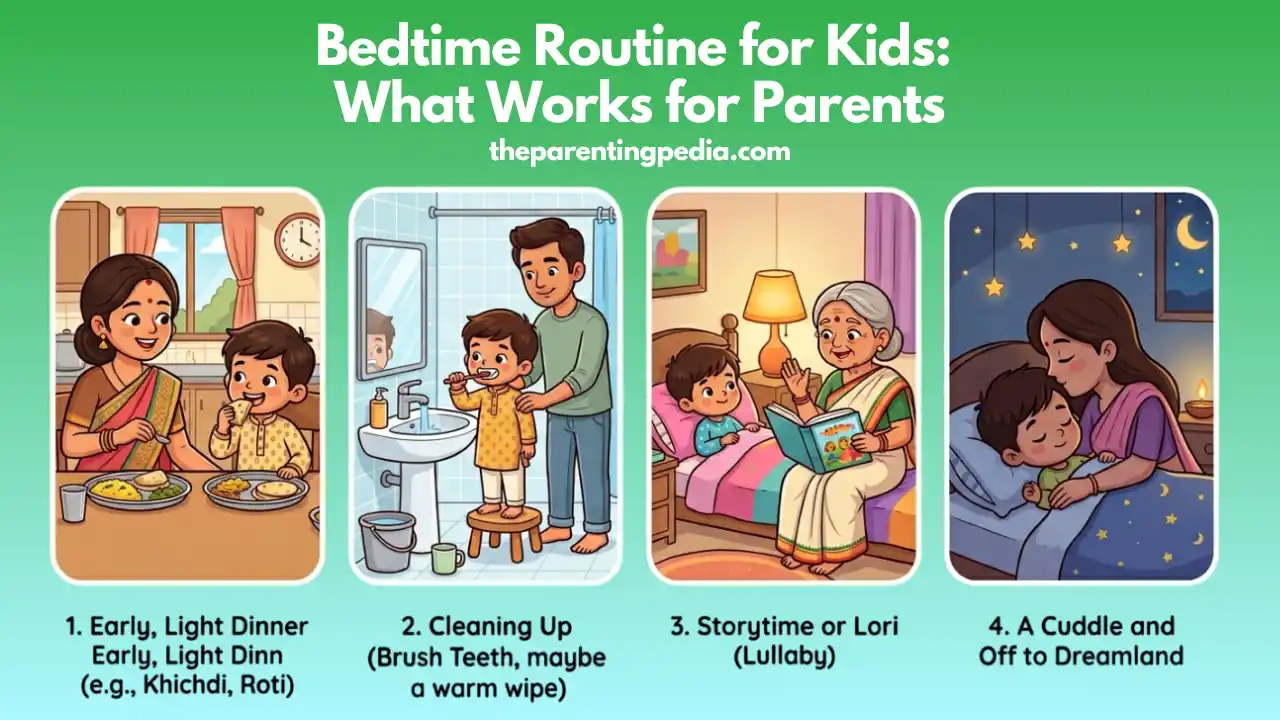
A proper Bedtime Routine for Kids is very crucial for creating discipline in your child. Many parents do not understand what a proper bedtime routine is for their child. A lot of kids have the habit of using their cell phones or watching television in the evening hours. But this is certainly not good for their health. The right bedtime routine will instill discipline in your children and give them a fresh start in the morning.
Table of Contents
Why is the bedtime routine crucial for children?
Bedtime routine is important because:
- It enhances the quality of sleep of your child.
- It helps your child in their brain development.
- It enhances the concentration & focus of your child.
- It decreases the frustration in your child.
- It enhances your child’s immunity.
- It also helps in the emotional development of your child.
Signs Your Child Has an Unhealthy Bedtime Routine
Some common indications that you can identify as a bad sleeping habit pattern in children include the following:
- Your child finds difficulty waking up early in the morning.
- Your child shows mood swings often.
- They get irritated easily.
- Your child is facing a lack of concentration.
- Your child feels tired all day.
- Your child is sleeping late at night.
- They are your excess phone before sleeping at night.

Common Reasons Why Kids Sleep Late
Some of the reasons why kids sleep late at night
- Due to excessive usage of mobile phones at night
- Due to an uneven sleep schedule
- Due to excessive activity before sleeping
- Due to improper routine
- Due to the poor schedule of the family
Screen time before bed can make it harder for children to fall asleep. Parents can also learn more about healthy screen time habits for kids.
A Realistic Bedtime Routine for Kids
7:00 PM – Finish Dinner
Serve your child dinner one-two hours before they sleep. Feed your child something healthy for dinner. Don’t make dinner too heavy or too spicy.
7:45 PM – Family Time
Spend some quality time with your children before they sleep. Ask them how their day was. What did they do in school? It helps in developing an emotional connection with children.
8:15 PM – Reduce Screen Time
Sleep quality gets affected due to excessive screen time. Instead of phone usage, encourage your child to do some relaxing activity.
8:30 PM – Freshen Up
Teach your child to brush before going to sleep.
8:45 PM – Story Time or Quiet Activities
Do some relaxing activity with your child before they go to sleep, like telling them a story.

9:00 PM – Bedtime Conversation
Spend some time talking with your child before they fall asleep. Ask your child how their day was ? or how is their school going & etc. It will help you to strengthen your bond with your child.
9:15 PM – Sleep Time
Turn off the light & make the room noise free so that your child can get a peaceful sleep.
Bedtime Habits That Work Well for Indian Parents
- Keep Dinner Timings uniform: The consistency in the timing of the dinner improves the quality of sleep.
- Limit Screen time: Do not allow your kid to use their mobile phone before sleeping.
- Read Stories before bedtime: For getting relaxed, storytelling is the best activity. It also helps in creating a bond with your child.
- Develop a positive Atmosphere: Prevent stressful activities like arguments and loud television before your child’s bedtime. Create a calm environment for your child.
- Follow the Same Routine Daily: Be consistent with the schedule for your child’s healthy development.
Common Mistakes Parents Make
Common mistakes made by parents are:
- They don’t stop their child from using excessive mobile phones.
- They offer sugary snacks to their child before bedtime.
- They don’t have a scheduled bedtime for their child.
- They take the help of television or a mobile phone to make their child fall asleep.
- Let their child sleep in noisy surroundings.
- Delaying bedtime unnecessarily
A consistent routine helps children feel more secure and confident while also supporting building emotional resilience in children.
Benefits of a Healthy Bedtime Routine
Physical Benefits
- A healthy bedtime routine helps in improving sleep quality.
- It helps in improving your child’s immunity.
- It boosts your child’s energy level
According to the American Academy of Pediatrics, consistent sleep routines support children’s physical, emotional, and cognitive development.
Emotional Benefits
- It helps in decreasing the stress in your child.
- It enhances your child’s mood.
Academic Benefits
- It helps in creating focus & concentration in your child.
- It improves the learning ability of your child.

When Should Parents Be Concerned?
Parents should consider taking professional advice if their child:
- Your child is having difficulty sleeping.
- Your child snores heavily.
- Your child wakes up during the night regularly.
- Your child always feels tired.
If sleep problems continue for several weeks, talk to your pediatrician and review the CDC sleep recommendations for children.
FAQs
Q.1 Why does my child refuse to wear certain clothes?
Ans: Some children are sensitive to clothing textures, seams, tags, or tight-fitting garments. What feels normal to others may feel uncomfortable or irritating to them due to sensory sensitivities.
Q.2 Are sensory sensitivities common in children?
Ans: Yes, sensory sensitivities are fairly common in children. Some children are more sensitive to touch, sound, smell, or textures, which can affect their clothing preferences.
Q.3 Can sensory sensitivities improve as children grow older?
Ans: Many children learn coping strategies and become more comfortable with different sensations over time. However, every child develops at their own pace.
Q.4 What types of clothing are best for sensory-sensitive children?
Ans: Soft fabrics such as cotton, tag-free clothing, seamless socks, and loose-fitting garments are often more comfortable for children with sensory sensitivities.
Q.5 When should parents seek professional help for clothing sensitivities?
Ans: Parents should consider seeking professional advice if clothing sensitivities cause significant stress, daily struggles, school difficulties, or interfere with the child’s overall well-being.
“A bedtime routine does not need to be complicated. Combining it with positive parenting strategies can make daily family life much smoothe.
Conclusion
In conclusion, a bedtime routine is really essentially for the emotional, physical, & academic development of a child. It develops discipline in your child. Having a proper bedtime routine enhances the quality of sleep of your child. It helps your child in their brain development. It also enhances the concentration & focus of your child. Parents can help children by creating a proper bedtime routine & by creating a calm environment for them.

About the Author
Kaushiik Sampat is the founder of The Parenting Pedia and writes about parenting, child behavior, emotional development, and family well-being. Through practical guides and research-based insights, he helps parents make informed decisions that support children’s healthy growth and learning.