
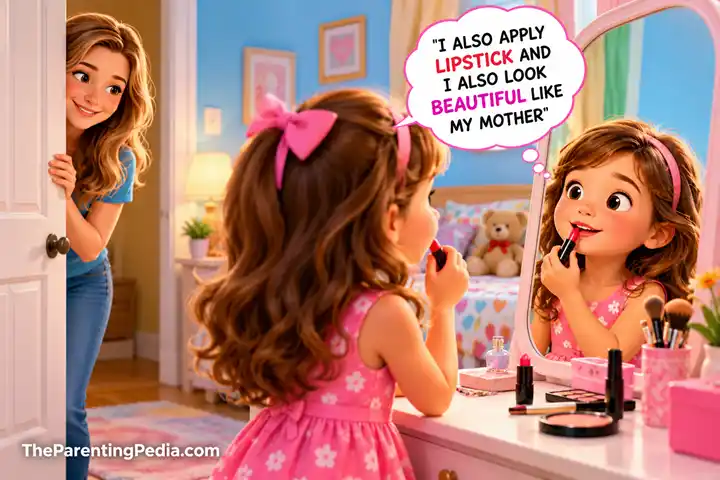
Children watch how parents speak to others, handle disagreements, and treat people who need help. They notice how adults react when they are angry, admit mistakes, and respond to everyday challenges. These small moments may seem unimportant, but they can gradually influence a child’s behaviour, attitudes, and values. Children also learn by observing how parents treat family members, strangers, and themselves.
The idea that Children Learn by Example matters: telling children to be respectful, honest, and responsible is important, but demonstrating these qualities makes the lesson clearer. Parents need not be perfect; they can model thoughtful choices and correct mistakes.
Table of Contents
Why Children Learn So Much from Their Parents
Parents and caregivers are among the first people children observe. Daily interactions teach communication, emotional expression, and how to treat others.
Because Children Learn by Example, they may copy a parent’s apology or repeat hurtful language they hear. Friends, teachers, relatives, and the wider environment also influence children, but parents can model helpful behaviour.
7 Parenting Habits That Can Shape Your Child’s Future
Positive parenting helps parents guide children with respect, encouragement, and clear boundaries.
1. Practise Respect in Everyday Conversations
Children notice how parents speak to family members, neighbours, teachers, and strangers. Respect means listening and disagreeing without humiliation.
Avoid mocking people or using hurtful labels. Show children that respect includes healthy boundaries; being polite does not mean accepting unkind treatment.
Try this: If your child interrupts, say, “I want to hear what you think. Let me finish, and then it’s your turn.” This demonstrates the respect you want them to practise.
2. Manage Your Emotions Without Hiding Them
Anger, worry, sadness, and disappointment are normal. The important lesson is how to respond. If a parent shouts whenever stress builds, a child may see shouting as an acceptable reaction. Pausing and speaking calmly demonstrates another option.
Naming a feeling shows children that emotions can be handled without hurting others.
Try this: Say, “I’m frustrated, so I’m going to take a few minutes to calm down. Then we can talk.” Return to the conversation when you are ready.
Effective communication helps families discuss feelings and resolve disagreements more constructively.
3. Be Honest, Even When the Truth Is Uncomfortable
Children notice whether adults admit mistakes and keep promises. Returning extra change at a shop shows honesty matters even when nobody is watching.
If you cannot keep a promise, explain why instead of pretending you never made it.
Try this: Say, “I promised we would go to the park, but I can’t manage it today. I’m sorry. Let’s choose another day.” Keeping your word when possible—and being honest when plans change—builds trust.
4. Show Kindness Without Expecting a Reward
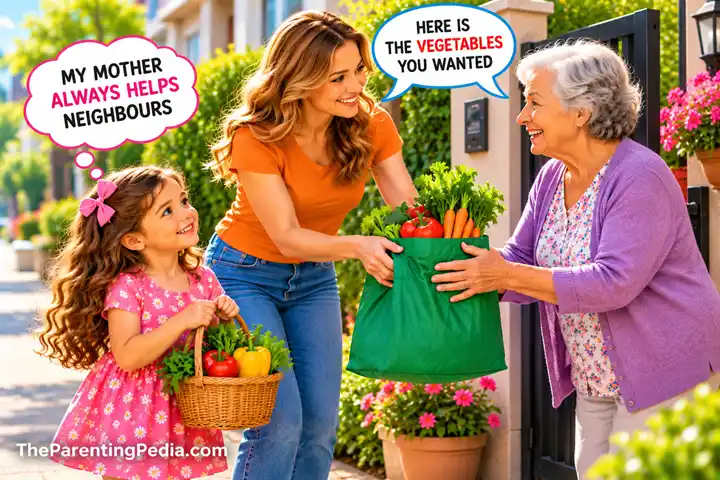
Children understand kindness through everyday actions, such as helping a neighbour or including someone who feels left out.
Model generosity yourself and explain kind actions simply.
Try this: If your child sees you helping someone carry groceries, say, “They needed a little help, and we could help.” Encourage kindness while teaching children that they can still set boundaries.
Everyday acts of kindness can also create opportunities for teaching gratitude to kids.
5. Treat Mistakes as Opportunities to Learn
Children watch how adults react when something goes wrong. Blaming others or giving up can make setbacks feel frightening. Admitting a mistake and deciding what to do next shows children that errors can be addressed.
Try this: If you forget an appointment, say, “I forgot to check the calendar. That was my responsibility. I’ll set a reminder next time.” This teaches accountability without shame and shows that a mistake does not define a person.
6. Build Healthy Habits Through Your Own Actions
Children may follow routines more easily when adults practise them, too. Make room for reading, organising belongings, and screen breaks in your own day.
Reading together for ten minutes, putting phones away during meals, or preparing school bags the night before can make family routines manageable.
Try this: Choose one habit to practise together. Keep it realistic, praise effort, and allow for missed days. Consistency matters more than perfection.
7. Apologise and Repair Relationships After Conflict
Children do not need perfect parents; they need adults who recognise when their behaviour has caused hurt and try to repair it.
If you speak harshly to your child, apologise without pretending the original issue no longer matters. A sincere apology shows that respect applies to children as well as adults.
Try this: Say, “I was upset, but I should not have spoken that way. I’m sorry. We still need to discuss what happened, and I’ll try to speak more calmly.” Then work on changing the behaviour.
How to Become a Better Role Model Without Being Perfect
Start with one behaviour, such as listening without interrupting, and practise it regularly.
Briefly explain choices when useful, such as returning an item or apologising. Ask, “What could we both do differently next time?” This makes learning a shared responsibility. Children Learn by Example when they see adults take responsibility and try again.
Common Parenting Mistakes to Avoid
Children Learn by Example through actions as well as advice. Even caring parents can send mixed messages, so avoid these patterns:
- Expecting perfection: Children need time and practice to develop new skills.
- Using humiliation: Correct the action without labelling your child as bad or selfish.
- Ignoring your own mistakes: A sincere apology can teach more than pretending you are always right.
- Giving too many instructions: Demonstrate the behaviour and allow time to practise.
Children also learn from friends and school, so their behaviour will not always reflect your efforts.
Frequently Asked Questions
1. Why do children copy their parents’ behaviour?
Children may imitate parents’ communication and problem-solving, but peers, teachers, relatives, and temperament also influence development.
2. At what age do children start learning by example?
Observation begins in infancy: babies notice expressions, sounds, gestures, and repeated actions. Older children increasingly understand why behaviour matters.
3. What if I have already modelled unhealthy habits?
You can start making changes at any time. Acknowledge the behaviour you want to improve, demonstrate a healthier response, and practise it consistently. Explain, when appropriate, that adults are learning, too.
4. Should parents explain good behaviour or simply demonstrate it?
Both approaches help. Since Children Learn by Example, demonstration gives them a clear model, while a short explanation helps them understand why behaviour matters. Show kindness through your actions and explain that small acts of help can make a difference.
5. Can everyday parenting habits influence a child’s future?
Daily interactions contribute to communication, emotional, and relationship skills, but no single habit guarantees a particular outcome.
Conclusion
Your everyday choices can become meaningful lessons for your child. Practising respect, managing emotions, telling the truth, showing kindness, learning from mistakes, building healthy routines, and repairing relationships demonstrate values in action.
Children Learn by Example, but you do not need to get every moment right. Start with one habit, practise it consistently, and acknowledge mistakes when they happen. These steps can create a home where children feel supported as they learn to make thoughtful decisions, build healthy relationships, and develop their own values.
Author’s Note
TheParentingPedia.com shares evidence-informed parenting content for educational purposes. This article draws on trusted child-development resources and does not replace personalised advice from a qualified professional.
Sources & Further Reading
- Raising Children Network: Parents as Role Models
- UNICEF: Positive Parenting Tips for Children Aged 6–10
- UNICEF India: All About Positive Parenting

TheParentingPedia editorial team creates practical, research-informed parenting content to help parents navigate everyday challenges, child development, behavior, and family life. Our articles draw on reputable parenting and child-development sources and are reviewed for clarity, accuracy, and practical usefulness.