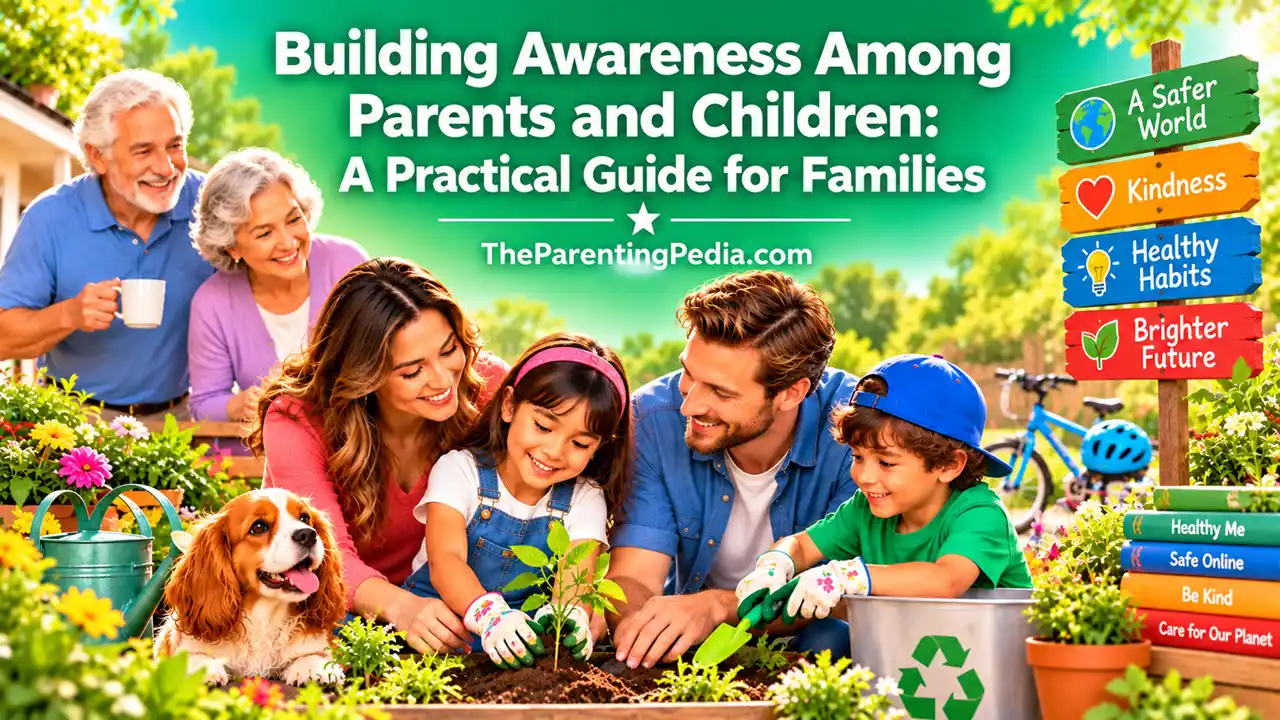
Build Awareness in Children helps families communicate openly, understand emotions, build healthy habits, and make safer decisions. Through everyday conversations and positive examples, parents can help children become more confident, responsible, and aware of the world around them.
Table of Contents
Why Awareness Matters in Family Life
Children learn from both what adults say and what they do. When parents listen patiently, respect boundaries, and manage disagreements calmly, children see these behaviours in action.
A child’s behaviour may reflect frustration, tiredness, or difficulty expressing feelings. Instead of immediately labelling a child as naughty, parents can pause and try to understand what is happening. Awareness also helps children recognise emotions, understand consequences, ask for help, and make safer choices.

Important Areas Parents and Children Should Understand
Emotional and mental well-being
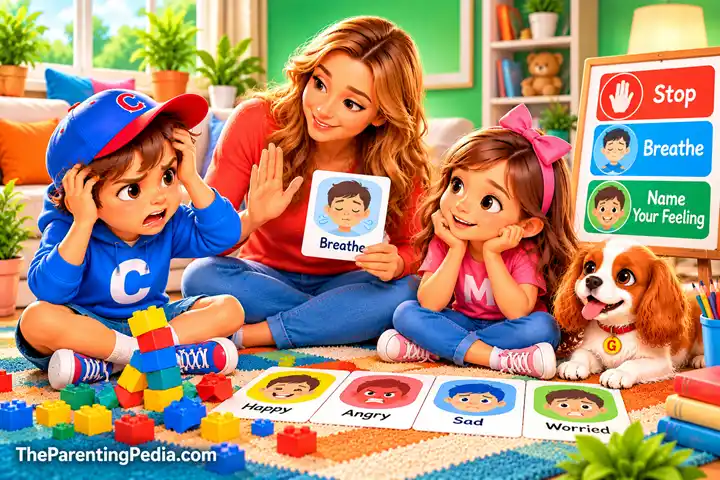
Children may struggle to explain sadness, worry, or anger. Help them name their feelings without judgement. For example, say, “You seem disappointed. Would you like to talk about it?” Parents can also model emotional control by pausing before reacting when stressed.
If your child experiences persistent worry or fear, learn to recognise the early signs of anxiety in children and understand when additional support may be needed.
Personal safety and boundaries
Teach children that they can say no to unwanted touch, move away from situations that feel uncomfortable, and tell a trusted adult when something worries them. Explain that questions about their bodies are not shameful and that they will not be punished for reporting a safety concern.
Digital and online awareness
Discuss online privacy, cyberbullying, scams, and inappropriate content. Children should not share passwords, home addresses, school details, or private photographs with strangers. Encourage them to ask a trusted adult before opening suspicious links or responding to unexpected messages. Make it safe for them to report online problems without fearing an automatic loss of device access.
For additional guidance, UNICEF Asia Pacific explains five ways to protect young children online, including encouraging kind and responsible digital behaviour.
Healthy habits and social responsibility
Use daily routines to discuss sleep, nutrition, hygiene, and physical activity. Children can gradually take on suitable tasks, such as washing their hands or organising school materials. Also discuss kindness, inclusion, environmental care, and respect for people with different abilities or backgrounds.
Practical Ways to Build Awareness at Home
1. Make room for daily conversations
Spend a few minutes talking without phones or television. Ask questions such as, “What was the best part of your day?” or “Was anything difficult today?” Listen before offering advice.
2. Lead by example
Children notice how adults handle mistakes and conflict. If you lose your patience, apologise and explain how you will try to respond better next time. This teaches accountability more effectively than a lecture.
3. Use everyday situations as learning opportunities
A sibling disagreement can introduce fairness, a news story can prompt an age-appropriate safety discussion, and a shopping trip can teach budgeting. Keep explanations simple and allow children to ask questions.
You can also strengthen children’s curiosity and problem-solving skills through these educational games for kids at home.
4. Connect feelings with choices
Ask, “What happened when you felt angry?” or “What could you try next time?” Do not expect children to remain calm all the time; help them understand emotions and practise safer responses.
5. Create family rules together
Agree on clear rules about online safety, respectful language, responsibilities, and bedtime. Explain why they matter and review them as children grow. Keep expectations consistent but appropriate for each child’s age and needs.
6. Encourage questions without shame
Answer questions honestly in language children can understand. When you do not know the answer, say so and look for reliable information together. Children who feel comfortable asking questions are less likely to rely on rumours or unreliable sources.
Parents can learn more about setting respectful boundaries through these practical strategies for disciplining a child without beating.
How Awareness Changes as Children Grow
Young children benefit from short explanations, picture books, pretend play, and clear safety rules. School-age children can practise problem-solving, learn basic online privacy, and take on simple responsibilities. Teenagers need respectful conversations about peer pressure, relationships, mental health, digital footprints, and decision-making. Adapt the language and level of independence to the child’s age and development.
For another perspective on children’s development, parents can explore UNICEF South Africa’s practical child development guidance for families.
Common Mistakes to Avoid
Avoid frightening children with unnecessary details, shaming them for mistakes, or expecting them to understand complex topics immediately. Do not assume a quiet child has no worries or that a confident child always recognises danger. Ask gentle questions and pay attention to changes in behaviour. Check online information against reliable sources and seek professional guidance when needed.
When Should Parents Seek Extra Support?
Consider speaking with a paediatrician, school counsellor, or qualified mental health professional if a child experiences ongoing distress, major changes in sleep or behaviour, or difficulties that interfere with daily life.
If a child reports abuse, exploitation, or immediate danger, listen calmly, reassure them that speaking up was right, and contact appropriate safeguarding or emergency services. Seeking help is a responsible step, not a parenting failure.

Frequently Asked Questions
What does building awareness mean for parents and children?
It means helping family members understand emotions, safety, health, relationships, responsibilities, and the world around them so they can communicate openly and make informed choices.
At what age should parents start teaching awareness?
It can begin with responsive interactions in infancy. As children grow, introduce age-appropriate lessons about feelings, boundaries, healthy habits, online safety, and responsibility.
How can busy parents build awareness every day?
Have a short daily conversation, model respectful behaviour, and discuss lessons from everyday situations. Consistency matters more than lengthy talks.
What if my child refuses to discuss a concern?
Do not force an immediate conversation. Choose a calm moment, offer reassurance, and let your child know you are available. For serious distress or safety concerns, seek professional guidance.
Conclusion
Building Awareness Among Parents and Children begins with listening, encouraging questions, and teaching healthy boundaries. Practised consistently, these small actions strengthen family trust and help children become confident and responsible.
Author’s Note
TheParentingPedia.com shares evidence-informed parenting information for general educational purposes. This article does not replace personalised medical, psychological, or safeguarding advice. Consider seeking guidance from a qualified child-development professional for individual concerns.
Sources & Further Reading
- American Academy of Pediatrics — Improving Family Communications
- American Academy of Pediatrics — Communication Skills Start at Home
- World Health Organization — Guidelines on Parenting Interventions to Prevent Maltreatment and Enhance Parent–Child Relationships
- World Health Organization — Improving the Health and Wellbeing of Children and Adolescents

TheParentingPedia editorial team creates practical, research-informed parenting content to help parents navigate everyday challenges, child development, behavior, and family life. Our articles draw on reputable parenting and child-development sources and are reviewed for clarity, accuracy, and practical usefulness.