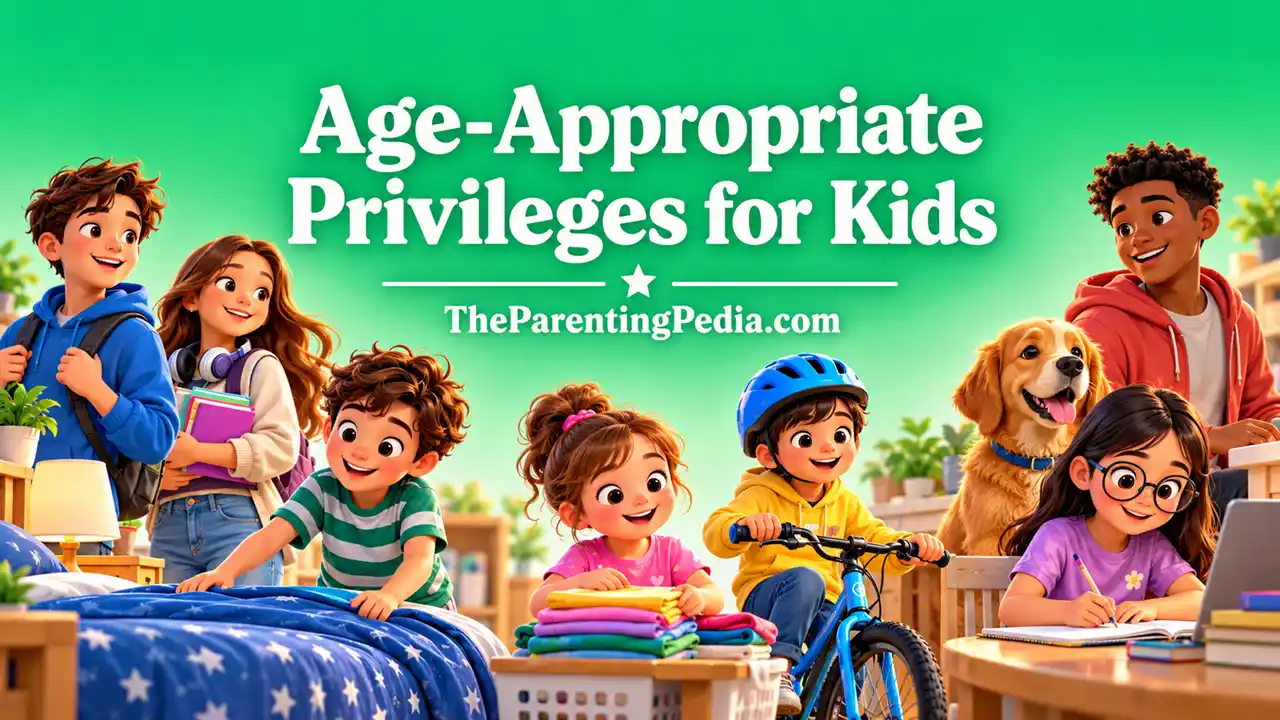
Every child wants more freedom as they grow, but parents often struggle to decide when to allow it. Age-Appropriate Privileges for Kids help children develop independence, responsibility, and confidence while maintaining appropriate boundaries. The key is to match each privilege to the child’s maturity, abilities, and safety needs.
What Are Age-Appropriate Privileges for Kids?
Privileges are additional freedoms or choices parents allow children as they demonstrate readiness. Examples include choosing activities, enjoying recreational screen time, visiting friends with permission, and managing a personal allowance.
Responsibilities are the tasks children learn to manage, such as tidying toys, completing homework, caring for belongings, and following agreed rules.
Both work together. When children practise responsibility, parents can gradually offer more independence. However, love, food, safety, education, healthcare, and respectful treatment are basic needs—not rewards children must earn.
Age-appropriate privileges work best when parents set clear expectations and guide children’s choices calmly. For more practical advice, read our guide on how to guide your child’s behavior.
Age-Appropriate Privileges by Age Group
Children develop at different rates, so age ranges should be treated as general guidance rather than strict deadlines. Consider your child’s maturity, individual needs, abilities, and safety before increasing freedom.
Age-Wise Privileges and Responsibilities Table
| Age group | Suitable privileges | Responsibilities to practise |
|---|---|---|
| 3–5 years | Choose a story, outfit, or game | Put toys away with help |
| 6–8 years | Choose activities and books | Pack a school bag, tidy belongings |
| 9–12 years | Manage an allowance, invite friends with permission | Track homework, complete chores |
| 13–15 years | Attend approved social events, enjoy reasonable privacy | Follow safety rules, communicate plans |
| 16–18 years | Plan outings, manage spending, make study choices | Budget, plan transport, meet deadlines |
UNICEF’s Asia-Pacific parenting guidance explains how parents can encourage growing independence while maintaining clear, age-appropriate boundaries. Read its advice on positive parenting for young children.
These examples should be adjusted to each child’s developmental stage and circumstances.
Ages 3–5: Encourage Small Choices
Preschoolers are beginning to explore independence but still need close supervision.
Suitable privileges include:
- Choosing a bedtime story.
- Selecting between two outfits.
- Picking a family game.
- Choosing which toy to play with.
Encourage simple responsibilities, such as placing dirty clothes in a hamper and putting toys away with adult assistance.
For example, let your child choose a bedtime story after helping tidy up. Offer encouragement instead of expecting the task to be completed perfectly.
Ages 6–8: Build Everyday Independence
Children in this age group can often follow familiar routines and complete simple tasks with reminders.
Suitable privileges include:
- Choosing a family activity.
- Selecting books for reading time.
- Enjoying an agreed period of recreational screen time.
- Helping plan a family outing.

Encourage your child to pack a school bag using a checklist, organise school supplies, and help set the table.
If your child frequently forgets school materials, create a checklist together. The aim is to develop good habits rather than punish every mistake.
Ages 9–12: Develop Responsibility
Older children often want more privacy, greater involvement in family decisions, and opportunities to spend time with friends.
Suitable privileges include:
- Choosing hobbies and extracurricular activities.
- Managing an agreed screen-time allowance.
- Inviting friends over with permission.
- Making more choices about clothing.
- Managing a small allowance.
Encourage children to track homework deadlines, care for their belongings, and complete agreed chores.
For example, help your child divide a weekly allowance between spending and saving. Discuss choices calmly and allow reasonable mistakes to become learning opportunities.
Small responsibilities can also help children practise cooperation and respect for others. Explore our guide to building manners among preschool children for more everyday examples.
Ages 13–15: Balance Freedom and Boundaries
Teenagers increasingly value independence and privacy. Parents should respect these needs while maintaining appropriate safety expectations.
Suitable privileges include:
- Attending approved social events.
- Choosing personal interests and hobbies.
- Enjoying reasonable privacy.
- Negotiating weekend return times.
- Participating in agreed community activities.
Encourage teenagers to manage school deadlines, communicate changes in plans, and follow online-safety rules.
Before an outing, agree on the destination, transport, return time, and how your teenager can contact you. Explain why these boundaries matter instead of relying only on authority.
Ages 16–18: Prepare for Adulthood
Older teenagers need opportunities to practise real-world decision-making while knowing that parental guidance remains available.
Suitable privileges include:
- Managing study schedules.
- Planning outings within agreed safety limits.
- Making decisions about personal spending.
- Participating in age-appropriate work or volunteering.
- Taking greater responsibility for future education plans.
Encourage budgeting, transport planning, meeting deadlines, and responsible communication.
Discuss possible consequences before major decisions. Greater independence should come with practical skills and sound judgment, while parents remain available to help when needed.
Talking openly about family rules helps children understand what is expected of them and gives them a chance to express their views. Learn more in our guide on how to communicate better with young children.
How to Decide When Your Child Is Ready
Age alone does not determine readiness. When considering Age-Appropriate Privileges, look for signs that your child can manage the particular freedom safely.
Consider whether your child:
- Usually follows agreed rules.
- Communicates honestly when plans change.
- Recognises common risks and asks for help.
- Accepts responsibility and tries to correct mistakes.
- Can manage the freedom without compromising safety.
No child needs to behave perfectly. Introduce one new privilege at a time, provide appropriate supervision, and review how things are going.
If your child struggles, offer additional guidance and practise the necessary skills before increasing independence.
How to Set Fair Rules and Boundaries
Clear expectations help children understand what freedom involves. These practical steps can make family rules easier to follow.
1. Explain Expectations Clearly
Instead of simply saying, “Be responsible,” explain the expected behaviour. For example, ask your child to put school materials in a designated place each evening.
2. Agree on Reasonable Limits
Establish clear expectations for screen time, chores, bedtime, and social activities. Allow children to express their opinions when appropriate.
3. Use Proportionate Consequences
If a child repeatedly ignores an agreed screen-time limit, temporarily adjust recreational access and discuss what needs to change. Keep consequences related to the behaviour and explain them calmly.
Never use humiliation, physical punishment, or threats.
4. Recognise Effort and Progress
Praise specific actions, such as completing a task independently or communicating honestly. Encouragement helps children recognise their progress and practise positive habits.
5. Review Rules as Children Grow
Rules suitable for an eight-year-old may not suit a fourteen-year-old. Review expectations regularly and adjust them as maturity, abilities, and circumstances change.

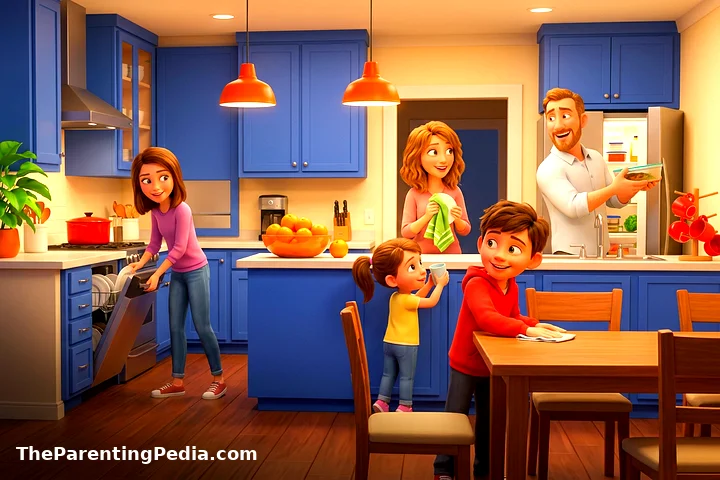
Family responsibilities should be shared fairly, with tasks suited to each child’s age and abilities. UNICEF’s guidance on equity in household tasks explains why boys and girls should have equal opportunities to help, learn, and play.
Common Mistakes Parents Should Avoid
When introducing Age-Appropriate Privileges, avoid these common mistakes:
- Comparing siblings: Children develop at different rates. Fairness does not always mean identical rules.
- Expecting perfection: Mistakes are part of learning. Correct behaviour without labelling a child as irresponsible.
- Giving freedom too quickly: Introduce new privileges gradually and maintain suitable supervision.
- Changing rules unpredictably: Explain expectations and consequences in advance.
- Withholding basic needs: Never make affection, food, safety, education, or essential healthcare conditional on behaviour.
Privileges should teach responsibility and judgment, not turn family life into a constant reward-and-punishment system.
Frequently Asked Questions
1. What privileges should children have at different ages?
Young children can begin with simple choices, school-age children can practise managing routines, and teenagers can gradually receive more privacy and social independence. Individual readiness and safety should guide every decision.
2. Should children earn privileges by completing chores?
Parents can connect optional privileges to agreed responsibilities, such as completing a task before recreational screen time. However, chores should also teach teamwork and contribution to family life.
3. Should parents take away privileges when children break rules?
A temporary, proportionate restriction may be appropriate when it relates to the behaviour. Explain the reason and next steps while continuing to provide affection, respect, and essential care.
Conclusion
Age-Appropriate Privileges help children develop responsibility, confidence, and independence. Start with small choices, set clear boundaries, and increase freedom as your child demonstrates readiness. By adjusting expectations to each child’s needs and treating mistakes as learning opportunities, parents can prepare children for adulthood while maintaining a supportive family relationship.
Author’s Note
This article provides general parenting guidance. Children’s developmental abilities, individual needs, and family circumstances vary. Parents should adapt these suggestions to their child’s readiness and safety requirements.
Sources & Further Reading
- Centers for Disease Control and Prevention: Positive Parenting Tips
- American Academy of Pediatrics: Chores and Responsibility
- American Academy of Pediatrics: Growing Independence: Tips for Parents of Young Children

TheParentingPedia editorial team creates practical, research-informed parenting content to help parents navigate everyday challenges, child development, behavior, and family life. Our articles draw on reputable parenting and child-development sources and are reviewed for clarity, accuracy, and practical usefulness.