Children are not always good at expressing their emotions. When they are young, they naturally look toward their parents for comfort, support, and understanding. However, many parents slowly notice a painful change — their child stops talking openly about feelings, problems, fears, or emotions.
Understanding why children stop sharing their feelings with parents is extremely important because emotional distance can affect a child’s confidence, mental health, and family relationships. When children feel unheard, judged, or misunderstood, they often begin hiding their emotions instead of expressing them.
The good news is that parents can rebuild trust and improve communication with simple daily efforts. In this article, you will learn the common reasons behind emotional silence in children and practical ways to help them open up again.
Table of Contents
Reasons Why Children Stop Sharing Their Feelings With Parents
There can be many emotional and environmental reasons behind this behavior. Sometimes children stop talking suddenly, while in other cases it happens slowly over time.

Fear Of Being Judged
Children may stop sharing their feelings when they think their emotions will be criticized or ignored. If a child hears things like “You are overreacting” or “This is not a big deal,” they may start hiding their emotions.
They want emotional safety, not judgment.
Fear Of Getting Scolded
Many children become afraid of sharing their problems because they worry about punishment or anger. Instead of feeling supported, they feel nervous about their parents’ reactions.
This fear creates emotional distance between parents and children.
Lack Of Emotional Connection
Busy schedules, work pressure, and screen time can reduce family conversations. When emotional bonding becomes weak, children may stop discussing their personal feelings.
Even spending a few minutes daily can strengthen emotional trust.
Children are more likely to share their emotions when there is open communication between parents and children.
Constant Criticism
Children who face regular criticism often lose confidence in expressing themselves. They may feel that nothing they say will be appreciated.
Over time, they begin keeping emotions hidden.
Comparisons With Other Children
Comparing children with siblings, cousins, or classmates can hurt their self-esteem. Statements like “Look how well your brother behaves” can make children feel emotionally disconnected.
Every child wants to feel accepted for who they are.
Strict Parenting Style
Very strict parenting can sometimes create fear instead of trust. Children may avoid sharing feelings because they worry about disappointing their parents.
Healthy communication works better than fear-based parenting.
A Short Real-Life Example
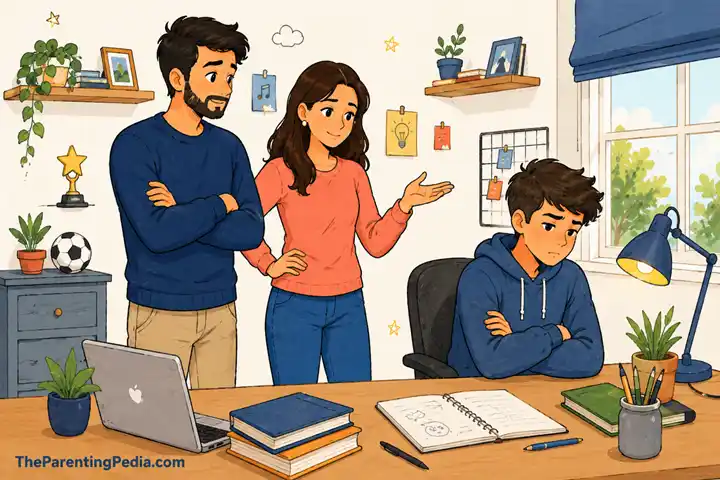
Riya was once very open with her mother. She used to share school stories, friendships, and daily experiences. But slowly, her mother started correcting and criticizing every small thing.
Whenever Riya talked about a problem, she was told:
- “Ignore it.”
- “You are too sensitive.”
- “Stop crying over small things.”
After a few months, Riya stopped sharing anything at all.
Her mother later realized that Riya did not need immediate solutions every time. She simply needed someone to listen without judgment.
This situation happens in many families without parents realizing it.
Signs Your Child Is Hiding Their Feelings
Parents should notice early warning signs before emotional distance grows bigger.
They Spend More Time Alone
Children who feel emotionally disconnected may isolate themselves more often.
They Always Say “I’m Fine”
Repeatedly avoiding emotional conversations is often a warning sign.
Sudden Mood Changes
Irritability, anger, sadness, or silence may indicate hidden emotions.
They Avoid Family Conversations
Children may stop participating in family discussions when they no longer feel emotionally safe.
Less Eye Contact
Some children avoid eye contact when they are emotionally uncomfortable.
How Parents Can Encourage Children To Open Up
Rebuilding emotional trust takes patience, consistency, and understanding.
Listen Without Interrupting
Allow your child to finish speaking before giving advice or reacting.
Simple listening can make children feel respected and understood.
According to child development experts, emotional validation helps children feel safe and understood.
Avoid Immediate Judgment
Instead of criticizing emotions, try understanding them first.
Say things like:
- “I understand how you feel.”
- “Thank you for sharing this with me.”
- “That must have been difficult.”
These responses create emotional comfort.
Spend Quality Time Together
Children naturally open up when parents spend relaxed time with them.
Simple activities can help:
- Evening walks
- Playing games
- Eating meals together
- Bedtime conversations
Even small moments matter.
Control Anger During Conversations
Children become emotionally distant when they fear angry reactions.
Parents should stay calm even when discussing mistakes or sensitive topics.
Encourage Emotional Expression
Teach children that all emotions are normal.
Help them express:
- sadness
- fear
- disappointment
- anger
- excitement
This improves emotional confidence.
Make Home Emotionally Safe
Children should feel that home is a safe place where they can talk openly without fear.
Emotional safety is one of the biggest factors in healthy parenting.
Parents should also learn healthy ways to build emotional trust with children from an early age.
Simple Daily Habits That Improve Parent-Child Communication
Building emotional connection does not require expensive activities. Small daily habits can make a huge difference.
Ask Open-Ended Questions
Instead of asking:
- “Did you have a good day?”
Ask:
- “What was the best part of your day?”
- “Did anything upset you today?”
This encourages longer conversations.
Put Away Phones During Conversations
Children notice when parents are distracted.
Giving full attention shows respect and care.
Praise Effort, Not Just Results
Children feel emotionally secure when parents appreciate effort instead of only achievements.
Have Emotional Check-Ins
Daily emotional conversations help children become comfortable expressing feelings.

Mistakes Parents Should Avoid
Sometimes parents unintentionally create emotional barriers.
Avoid these common mistakes:
- Comparing children with others
- Shouting during conversations
- Ignoring emotions
- Forcing children to speak immediately
- Mocking fears or feelings
- Using emotional blackmail
Small changes in communication can create major improvements.
FAQs
Why do children stop sharing their feelings with parents?
Children may stop sharing emotions because of fear, criticism, strict parenting, emotional distance, or lack of trust. They often hide feelings when they feel misunderstood or judged.
How can parents rebuild emotional trust?
Parents can rebuild trust by listening calmly, spending quality time, avoiding judgment, and creating a safe environment where children feel comfortable speaking openly.
Is it normal for teenagers to hide feelings?
Yes, many teenagers become more private as they grow older. However, complete emotional withdrawal should not be ignored and may require gentle communication.
What are signs of emotional disconnection in children?
Common signs include isolation, mood swings, avoiding conversations, reduced eye contact, and constantly saying “I’m fine.”
How often should parents talk emotionally with children?
Daily emotional conversations, even for a few minutes, can greatly improve communication and strengthen emotional bonding.
Conclusion
Understanding why children stop sharing their feelings with parents can help families build stronger emotional relationships. Children do not stop talking without a reason. Most of the time, they simply want understanding, patience, and emotional safety.
The American Academy of Pediatrics also highlights the importance of healthy parent-child communication.
Parents do not need to be perfect. They only need to be emotionally available, supportive, and willing to listen without judgment.
Small daily efforts can rebuild trust, improve communication, and help children feel emotionally secure again.
Quick Tip: Children often stop sharing their feelings when they fear criticism or judgment. Listening calmly can encourage them to open up again.

Kaushik Sampat (KayEss) is the founder of TheParentingPedia and a parenting writer with years of hands-on parenting experience. He creates practical, research-informed guidance on parenting, child development, education, and family well-being using trusted pediatric and child psychology sources. His experience helps him turn complex advice into clear, useful information parents can apply in everyday family life.