Every parent knows the situation. The kids come home from school hungry, tired, and looking for something to eat immediately. While packaged snacks may seem like the easiest option, they often contain excessive sugar, unhealthy fats, and artificial ingredients. Choosing healthy snack recipes for kids is a better way to provide the nutrients children need to stay active, focused, and healthy. In particular, healthy snack recipes for school going kids can help maintain energy levels, improve concentration, and support overall growth and development. The good news is that nutritious snacks do not require complicated recipes or hours in the kitchen. With a few simple ingredients, parents can prepare delicious snacks in under five minutes while supporting their child’s health and well-being.
Table of Contents
Why Healthy Snacks Matter for Kids
The Role of Snacks in Child Development
Children burn a significant amount of energy throughout the day. Between classroom learning, physical activities, sports, and playtime, their bodies constantly require fuel. Healthy snacks help bridge the gap between meals and provide essential nutrients that support growth, brain development, and overall well-being.
According to HealthyChildren.org, healthy snacks play an important role in supporting children’s nutrition and development.
Nutritious snacks can also improve concentration, stabilize energy levels, and prevent overeating during main meals. When children consume balanced snacks that include protein, fiber, vitamins, and healthy fats, they are more likely to remain active and focused throughout the day.
Signs Your Child May Need Better Snack Choices
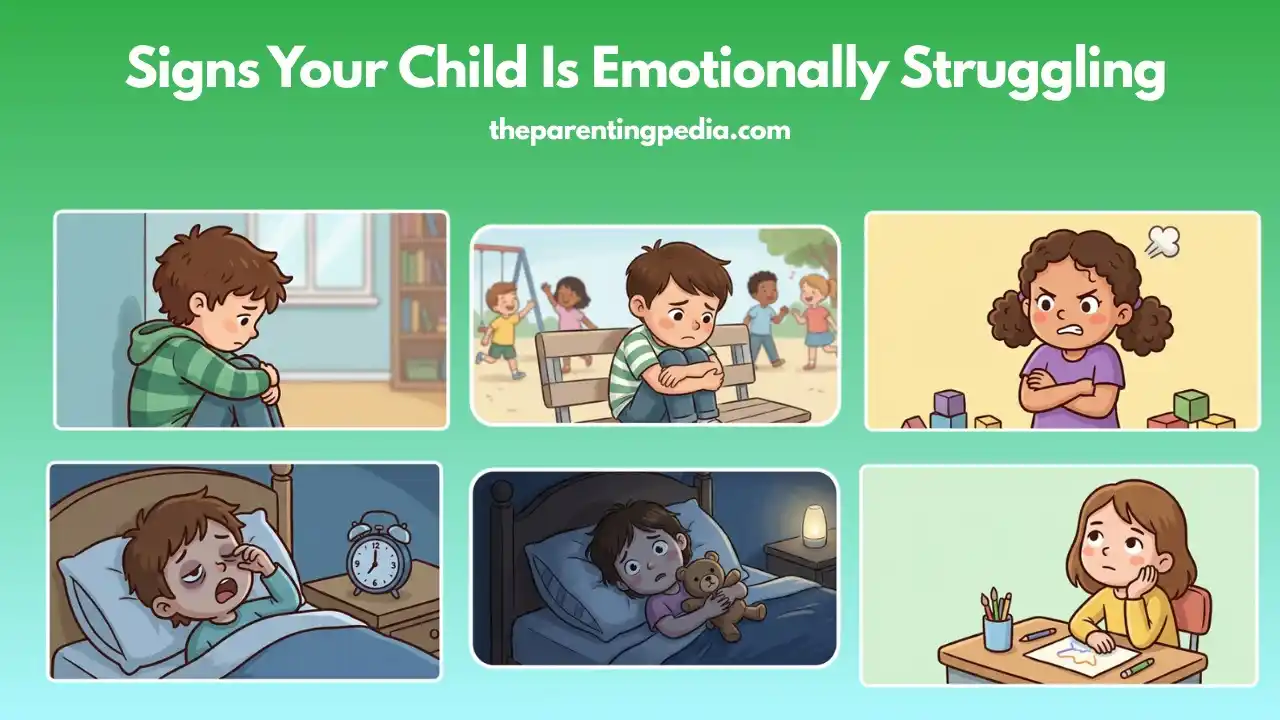
Parents should pay attention to common warning signs that may indicate poor snack habits:
- Frequent hunger shortly after eating
- Cravings for sugary foods and drinks
- Difficulty concentrating on homework
- Irritability after school
- Low energy levels
- Restless sleep
- Frequent requests for chips, biscuits, or sweets
These signs often suggest that children are not receiving enough nutritional value from their current snacks.
If your child frequently becomes upset after school, understanding why 3 year olds throw tantrums may help parents identify possible triggers and solutions.
What Happens When Kids Eat Unhealthy Snacks Regularly
The Hidden Impact of Poor Nutrition
Many packaged snacks are marketed as child-friendly but contain large amounts of sugar, sodium, and artificial additives. While these foods may satisfy hunger temporarily, they often fail to provide lasting energy or important nutrients.
Children who regularly consume unhealthy snacks may experience sudden energy spikes followed by crashes that affect mood and concentration. Over time, poor snack choices can influence eating habits, overall health, and even academic performance.
The World Health Organization (WHO) recommends limiting free sugar intake in children to support long-term health and wellness.
Common Effects of Unhealthy Snacks
Regular consumption of processed snacks may contribute to:
- Energy crashes
- Mood swings
- Difficulty focusing
- Increased sugar consumption
- Poor eating habits
- Reduced immunity
- Weight management challenges
Making small improvements to daily snack choices can have a positive effect on a child’s overall health and behavior.
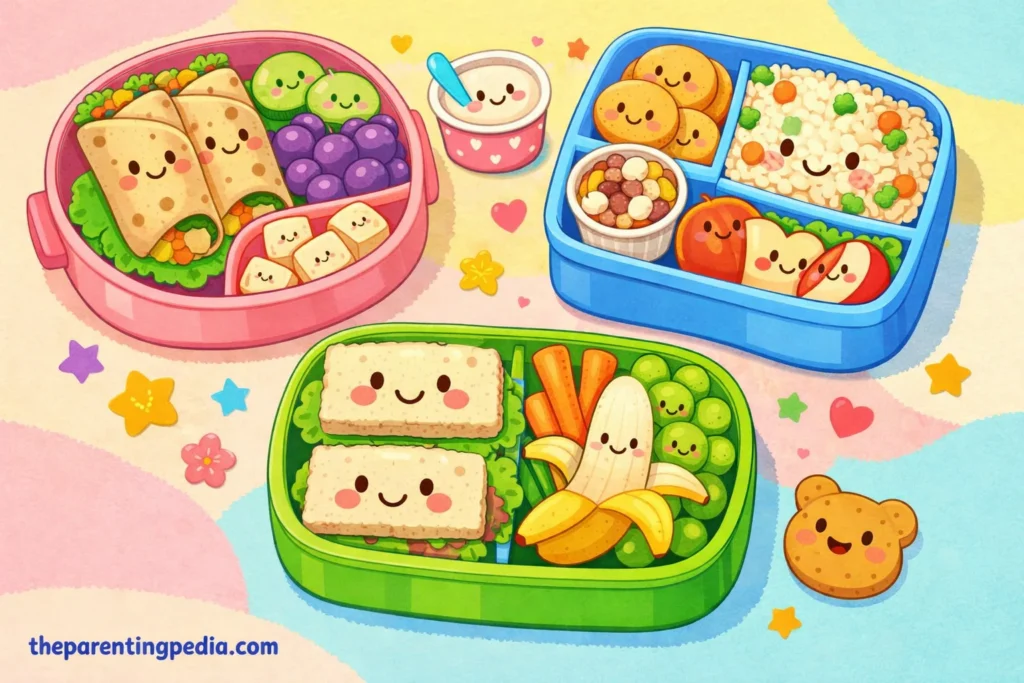
Try this Healthy Snack Recipes for Kids
Banana Peanut Butter Roll-Up
Preparation and Benefits
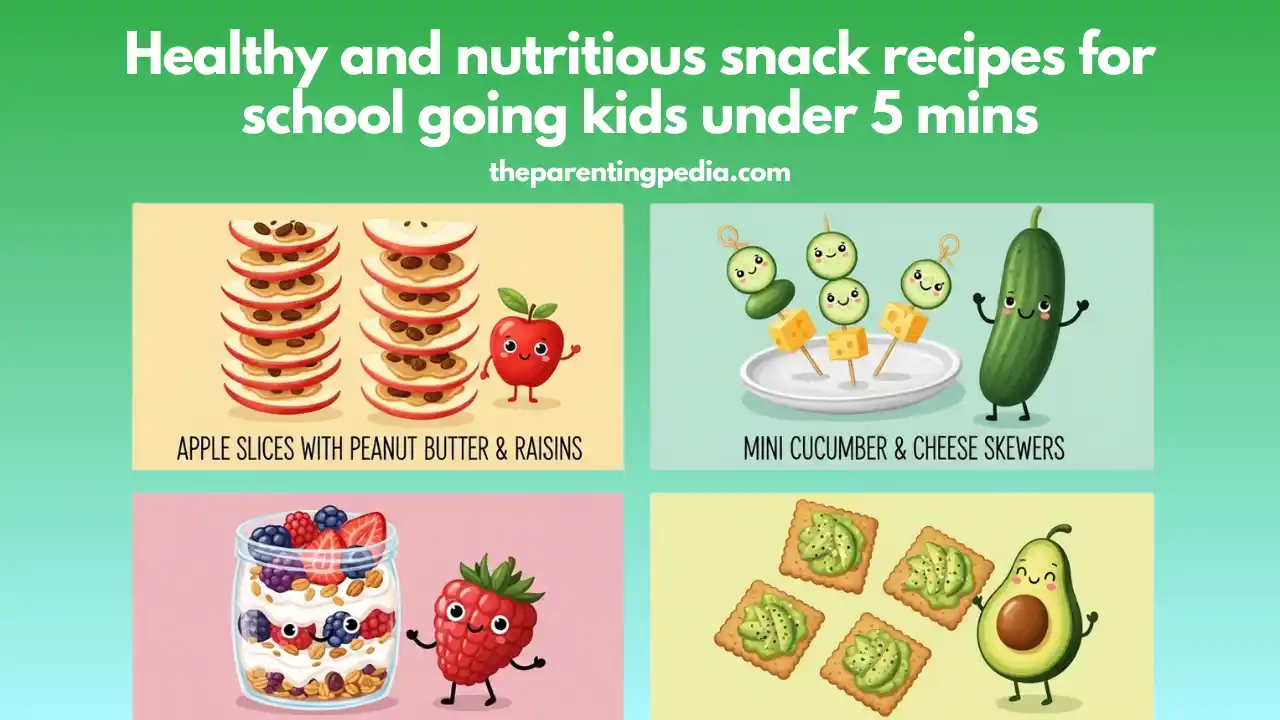
Spread natural peanut butter on a whole wheat chapati or tortilla. Place a banana on top, roll it tightly, and cut into small pieces.
This snack combines protein, fiber, and healthy carbohydrates, making it an excellent option for sustained energy after school.
Yogurt Fruit Bowl
Preparation and Benefits
Add plain yogurt to a bowl and top it with fresh fruits such as banana slices, strawberries, blueberries, or mango pieces. Sprinkle some seeds or granola for extra texture.
Yogurt provides calcium and protein while fruits supply vitamins, antioxidants, and natural sweetness.
Cucumber and Hummus
Preparation and Benefits
Slice cucumbers into sticks and serve with hummus as a dip.
This refreshing snack is rich in hydration, fiber, and healthy fats. It is also easy to prepare and enjoyable for children.
Apple Slices with Almond Butter
Preparation and Benefits
Slice an apple and serve with almond butter for dipping or spread a thin layer directly onto each slice.
The combination of fiber, protein, and healthy fats helps children stay satisfied for longer periods.
Whole Grain Crackers with Cheese
Preparation and Benefits
Top whole grain crackers with cheese slices and tomato pieces.
This balanced snack provides carbohydrates, calcium, protein, and important nutrients that support healthy growth.
Roasted Makhana
Preparation and Benefits
Roast makhana in a small amount of ghee and season lightly with salt or mild spices.
Makhana is rich in calcium and antioxidants while offering a satisfying crunch that children enjoy.
Sneaky Green Smoothie
Preparation and Benefits
Blend spinach, banana, and milk until smooth.
The banana masks the flavor of spinach while providing natural sweetness. This smoothie is an excellent way to include additional vitamins and minerals in a child’s diet.
Common Snack Mistakes Parents Make
Small Habits That Can Affect Nutrition
Even well-intentioned parents can make mistakes when choosing snacks. Understanding these common errors can help families develop healthier eating habits.
Mistakes to Avoid
Offering snacks too close to dinner can reduce appetite during meals. Relying heavily on packaged snacks may increase sugar intake without providing essential nutrients. Using food as a reward can create unhealthy relationships with eating. Keeping unhealthy foods within easy reach often encourages children to choose them over healthier alternatives.
Instead, keep fruits, yogurt, nuts, and other nutritious snacks visible and easily accessible.
Parents facing daily struggles around meals and routines may benefit from learning about common parenting challenges and how to overcome them.
Age-Wise Snack Planning
Choosing the Right Snacks for Different Ages
Children’s nutritional requirements change as they grow. Age-appropriate snacks can help meet their changing needs.
Ages 4–6 Years
Young children benefit from colorful and easy-to-handle snacks such as fruit cubes, yogurt, cucumber sticks, and cheese slices.
Ages 7–10 Years
Children in this age group enjoy variety and independence. Yogurt bowls, homemade roll-ups, and healthy snack combinations work well.
Ages 11–13 Years
Older children often require more protein and calories due to rapid growth. Smoothies, nuts, eggs, roasted makhana, and fruit with nut butter are excellent choices.
When Should Parents Seek Professional Advice?
Recognizing Potential Concerns
Most children can improve their eating habits through small dietary changes. However, some situations may require professional guidance.
Consult a Pediatrician If Your Child
- Frequently refuses food
- Experiences unexplained weight loss
- Has severe food allergies
- Appears constantly tired
- Shows poor growth patterns
- Experiences frequent digestive issues
A healthcare professional can identify underlying concerns and recommend suitable dietary adjustments.

Conclusion
Healthy snack recipes for school going kids do not need to be expensive, complicated, or time-consuming. With a little planning and a few nutritious ingredients, parents can provide snacks that support growth, concentration, energy, and overall well-being. Simple choices such as fruit, yogurt, nuts, whole grains, and homemade combinations can make a significant difference in a child’s daily nutrition. By creating healthy eating habits early in life, families can help children develop a positive relationship with food that benefits them for years to come.
Healthy eating habits work best alongside proper rest, so parents should also read about the importance of sleep in childhood and teenage years.
Frequently Asked Questions (FAQs)
How many snacks should a school-going child eat each day?
Most school-going children benefit from one mid-morning snack and one after-school snack in addition to their regular meals. The exact amount depends on age, activity level, and appetite.
What is the healthiest after-school snack?
A snack that combines protein, fiber, and healthy carbohydrates is ideal. Examples include yogurt with fruit, apple slices with nut butter, or a banana peanut butter roll-up.
Are homemade snacks better than packaged snacks?
In most cases, yes. Homemade snacks allow parents to control ingredients and reduce excess sugar, salt, and artificial additives.
Can healthy snacks improve concentration?
Yes. Balanced snacks help stabilize blood sugar levels, which supports focus, learning, memory, and overall academic performance.
What should I do if my child refuses healthy snacks?
Offer healthy choices consistently without forcing them. Children may need multiple exposures to a food before accepting it. Presentation and variety can also help.
Are these snack recipes suitable for lunch boxes?
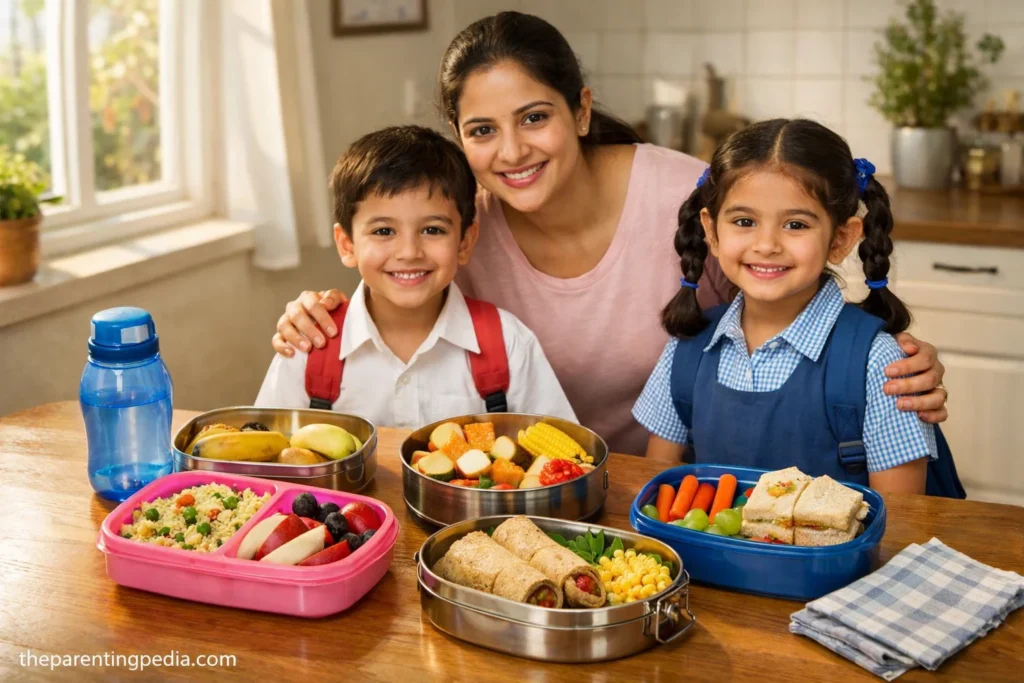
Most of these snacks travel well and can be packed in school lunch boxes. Roll-ups, fruit slices, cheese crackers, and roasted makhana are especially convenient options.

About the Author
Kaushiik Sampat is the founder of The Parenting Pedia and writes about parenting, child behavior, emotional development, and family well-being. Through practical guides and research-based insights, he helps parents make informed decisions that support children’s healthy growth and learning.