Gaming Addiction in Children has become a part of everyday life for many children. Video games can improve creativity, problem-solving, and coordination when played in moderation. However, when gaming starts affecting a child’s health, studies, relationships, or emotional well-being, it may be a sign of gaming addiction.
Many parents struggle to understand the difference between a child who simply enjoys games and one who may be developing an unhealthy dependence on them. Recognizing the early warning signs can help parents take action before the problem becomes serious.
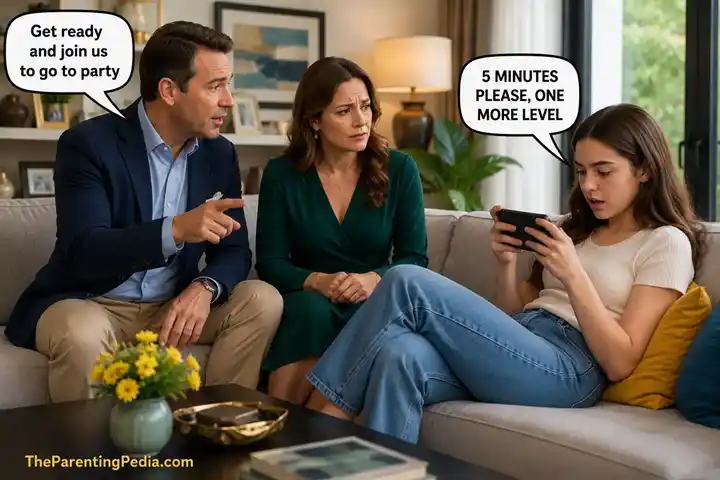
Table of Contents
What Is Gaming Addiction?
Gaming addiction is a pattern of excessive or compulsive gaming that interferes with a child’s daily life. A child may find it difficult to stop playing, even when it causes problems at school, at home, or with friends.
The World Health Organization (WHO) recognizes Gaming Disorder as a mental health condition when gaming becomes uncontrollable and significantly affects daily functioning over an extended period.
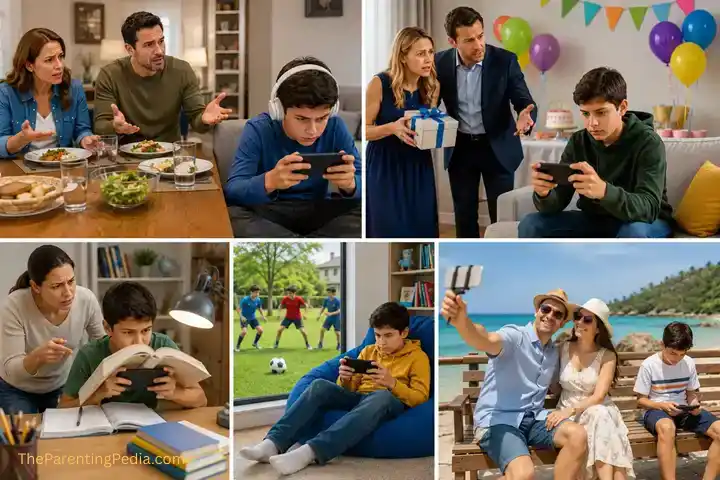
Not every child who loves video games is addicted. The key difference is whether gaming has started replacing important activities like studying, sleeping, exercising, or spending time with family.
The Raising Children Network offers practical advice to help families build healthy digital habits and manage children’s screen time effectively.
Why Are Children Becoming Addicted to Video Games?
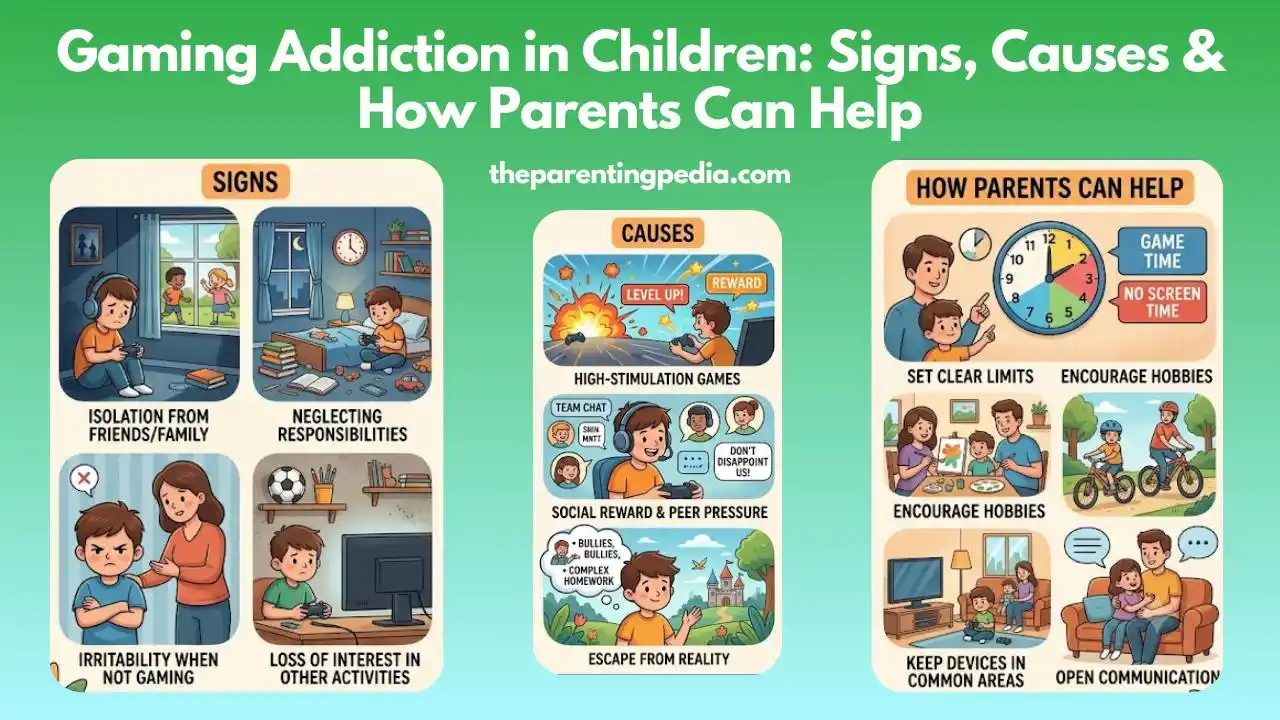
Today’s games are designed to keep players engaged. Many include rewards, achievements, daily challenges, and online competitions that encourage children to play for longer periods.
Some common reasons include:
1. Games Are Highly Rewarding
Children receive points, badges, new levels, and virtual rewards that create excitement and encourage them to continue playing.
2. Easy Access to Devices
Smartphones, tablets, gaming consoles, and computers make games available almost anytime and anywhere.
3. Social Connection
Many online games allow children to chat and play with friends. They may fear missing out if they stop playing.
4. Stress Relief
Some children use gaming to escape academic pressure, loneliness, boredom, or family problems.
5. Lack of Screen Time Rules
Without clear boundaries, gaming hours can gradually increase until they become unhealthy.
Early Signs of Gaming Addiction in Children
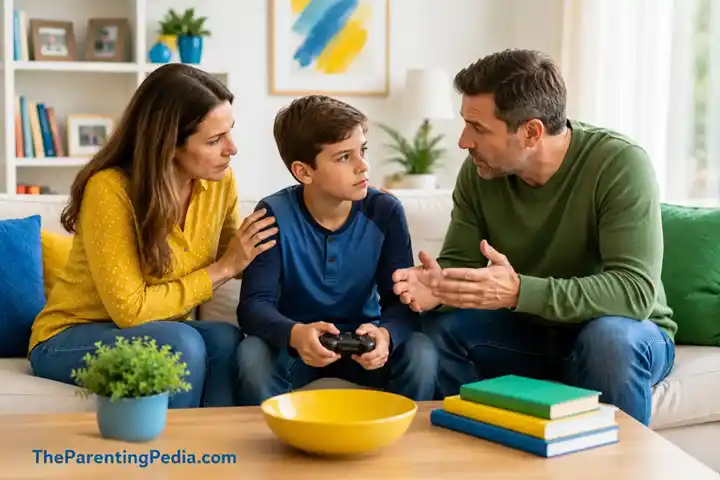
Recognizing the warning signs early makes it easier to help your child before gaming becomes a serious issue.
1. Constantly Thinking About Games
Your child talks about games all the time, watches gaming videos continuously, or eagerly waits for the next chance to play.
2. Difficulty Stopping
Even after asking them to stop, they keep requesting “just five more minutes,” which often turns into much longer.
3. Irritability Without Gaming
Children may become angry, anxious, frustrated, or upset when they cannot play.
4. Declining School Performance
Homework becomes less important, grades begin falling, and teachers may notice reduced attention in class.
5. Loss of Interest in Other Activities
Sports, hobbies, reading, outdoor play, and family activities no longer seem enjoyable.
6. Poor Sleep Habits
Late-night gaming often leads to insufficient sleep, making children tired and less focused during the day.
7. Spending Less Time with Family and Friends
Children may isolate themselves and prefer gaming over social interactions.
8. Hiding Gaming Habits
Some children secretly play games or lie about how much time they spend gaming.
9. Ignoring Daily Responsibilities
Simple tasks like bathing, eating meals, or completing chores may be delayed because gaming becomes the priority.
10. Mood Changes
Frequent mood swings, frustration, impatience, or emotional outbursts may become more noticeable.
How Gaming Addiction Affects Children
Excessive gaming can impact several areas of a child’s development.
Physical Health
Children who spend long hours gaming may experience:
- Eye strain
- Headaches
- Neck and back pain
- Poor posture
- Reduced physical activity
- Weight gain
- Sleep deprivation
Mental and Emotional Health
Gaming addiction can contribute to:
- Anxiety
- Stress
- Irritability
- Low self-esteem
- Emotional dependence on gaming
- Difficulty managing emotions
Children who spend excessive time gaming may also struggle to communicate their emotions. Learning about emotional literacy for children can help parents teach healthy emotional expression and coping skills.
Academic Performance
Children may:
- Miss homework deadlines
- Lose concentration
- Perform poorly in exams
- Become less interested in learning
Family Relationships
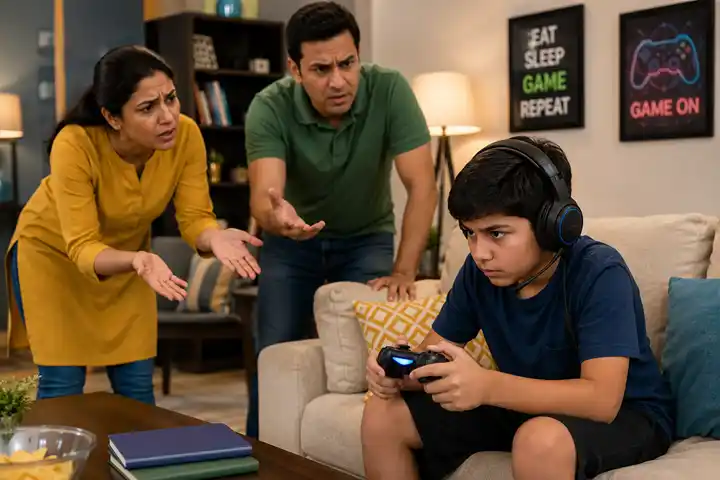
Frequent arguments over screen time can increase stress within the family and reduce meaningful communication between parents and children.
Who Is Most at Risk?
Although gaming addiction can affect any child, some children may be more vulnerable.
Risk factors include:
- Easy access to digital devices
- Limited parental supervision
- Existing anxiety or depression
- ADHD or attention difficulties
- Low self-confidence
- Few offline hobbies
- Lack of outdoor activities
- Social isolation
- Excessive screen time from an early age
Can Gaming Ever Be Beneficial?
Yes. Video games are not always harmful.
When played in moderation, age-appropriate games may help children:
- Improve problem-solving skills
- Develop hand-eye coordination
- Enhance creativity
- Learn teamwork through multiplayer games
- Build strategic thinking
- Relax after completing responsibilities
The goal is not to eliminate gaming completely but to maintain a healthy balance between screen time and real-life activities.
Teaching children to accept limits calmly is just as important as setting them. Read these tips on how to say no to kids without feeling guilty for practical parenting strategies.
How Parents Can Help a Child with Gaming Addiction
Helping a child reduce excessive gaming takes patience, consistency, and understanding. Sudden punishments or banning games completely can often make the situation worse. Instead, focus on creating healthy habits that your child can follow over time.
1. Stay Calm and Start a Conversation
Choose a relaxed time to talk with your child. Ask about their favorite games and why they enjoy playing them. Listen without judging. Children are more likely to cooperate when they feel understood.
2. Set Clear Screen Time Rules
Create simple family rules for gaming. Decide when gaming is allowed and for how long. For example, games can be played only after homework, meals, and other responsibilities are completed. Apply these rules consistently.
Parents can replace excessive screen time with meaningful family interactions by building awareness among parents and children through everyday conversations and shared activities.
3. Encourage Offline Activities
Help your child discover hobbies beyond gaming. Sports, cycling, drawing, music, reading, puzzles, gardening, or family board games can provide enjoyment without screens.
4. Keep Devices Out of the Bedroom
Avoid allowing gaming devices in your child’s bedroom, especially at night. This encourages better sleep and reduces the temptation to play late into the evening.
5. Be a Good Role Model
Children often copy what they see. If parents spend excessive time on phones or other devices, children may find it difficult to understand why they should limit their own screen time. Practice healthy digital habits together as a family.
6. Use Parental Controls
Many gaming consoles, smartphones, and tablets include parental control features. These can help manage screen time, limit purchases, and restrict access to age-inappropriate games.
7. Praise Positive Changes
Celebrate small improvements. If your child follows screen time rules or chooses an outdoor activity instead of gaming, acknowledge their effort. Positive encouragement often works better than criticism.
When Should Parents Seek Professional Help?
Sometimes, gaming becomes so excessive that professional support is needed.
Consider consulting a pediatrician, child psychologist, or mental health professional if your child:
- Cannot control gaming despite repeated efforts.
- Becomes aggressive or extremely distressed when asked to stop.
- Shows significant changes in mood or behavior.
- Experiences declining grades over several months.
- Stops interacting with family and friends.
- Develops sleep problems or other health issues because of gaming.
- Shows signs of anxiety, depression, or social withdrawal.
Early intervention can make recovery easier and prevent long-term problems.
Tips to Prevent Gaming Addiction
Prevention is always easier than treatment. Parents can encourage healthy digital habits by:
- Setting screen time limits from an early age.
- Choosing age-appropriate games.
- Keeping gaming devices in shared family spaces.
- Encouraging outdoor play every day.
- Scheduling regular family activities.
- Promoting reading and creative hobbies.
- Ensuring children get enough sleep.
- Talking openly about responsible technology use.
Healthy routines help children enjoy games without becoming dependent on them.
For more evidence-based recommendations on balancing screen use and child wellbeing, visit the eSafety Commissioner website.
Frequently Asked Questions (FAQs)
1. How many hours of gaming are safe for children?
There is no single limit that works for every child. The important factor is balance. Gaming should not interfere with sleep, schoolwork, physical activity, family time, or social interactions.
2. Are all video games harmful?
No. Many age-appropriate games can improve creativity, problem-solving, teamwork, and hand-eye coordination. Problems usually arise when gaming becomes excessive or replaces healthy daily activities.
3. What are the first signs of gaming addiction?
Some early signs include constantly thinking about games, difficulty stopping, irritability when not playing, declining school performance, reduced interest in hobbies, poor sleep, and social withdrawal.
4. Should parents completely ban video games?
In most cases, no. A complete ban may lead to frustration or conflict. Setting clear boundaries and encouraging a healthy balance between gaming and other activities is generally more effective.
5. Can gaming addiction affect a child’s mental health?
Yes. Excessive gaming may contribute to anxiety, stress, mood swings, low self-esteem, sleep problems, and social isolation if left unaddressed.
Conclusion
Video games can be an enjoyable part of childhood when used responsibly. However, when gaming begins to affect a child’s health, education, relationships, or emotional well-being, it deserves attention. By recognizing the early signs, understanding the causes, and setting healthy boundaries, parents can help their children build a balanced relationship with technology.
Every child is different, and overcoming gaming addiction takes time. With patience, open communication, and consistent support, families can encourage healthier habits that allow children to enjoy technology without letting it control their lives.

TheParentingPedia editorial team creates practical, research-informed parenting content to help parents navigate everyday challenges, child development, behavior, and family life. Our articles draw on reputable parenting and child-development sources and are reviewed for clarity, accuracy, and practical usefulness.