In today’s fast changing world, building awareness among parents and children has become more important than ever. Families face challenges related to emotional well-being, communication, online safety, and child development. Parents who stay informed and involved can create a healthier and more supportive environment for their children.
Understanding a child’s emotional, social, and mental needs helps parents guide them with confidence and prepare them for everyday challenges.
Table of Contents
The Importance of Child Development
Child development plays a major role in shaping a child’s emotional, social, and intellectual growth. From toddler years to adolescence, every stage brings new learning experiences and challenges.
Parents who understand these developmental stages can better support their children with age-appropriate routines, activities, and emotional guidance. A supportive environment helps children develop confidence, communication skills, and healthy habits that benefit them throughout life.
According to the American Psychological Association, positive family communication supports healthy child development.
Mental Health Awareness for Parents
Mental health awareness has become increasingly important for modern families. Emotional well-being directly affects a child’s behavior, confidence, relationships, and overall development.
Parents should pay attention to warning signs such as withdrawal, sudden mood changes, anxiety, low confidence, or difficulty communicating emotions. Early support and open conversations can help children feel emotionally safe and understood.
Creating a positive home environment where children feel comfortable expressing themselves is essential for healthy emotional growth.
Healthy family involvement improves emotional and social growth in children.
Safety Awareness in Modern Life
Children today spend more time online and around digital devices than ever before. Because of this, safety awareness now includes both physical and digital protection.
Parents should teach children basic online safety rules, including protecting personal information, avoiding strangers online, and limiting screen time. Encouraging balance between technology, outdoor activities, and family interaction also supports healthier development.
Also Read: Challenges Faced by Parents of Children with ADHD
Encouraging Healthy Daily Habits
Healthy routines help children feel secure, organized, and emotionally balanced. Parents can support healthy development by encouraging:
- Regular sleep schedules
- Nutritious meals
- Physical activity
- Reading habits
- Family communication
- Limited screen time
Consistent habits improve discipline, emotional stability, and overall well-being while helping children understand responsibility from an early age.
Privacy Awareness in the Digital Age
Teaching children about privacy is important in today’s online world. Parents should explain why personal information such as phone numbers, passwords, and addresses should never be shared publicly online.
Age-appropriate discussions about internet safety help children make smarter decisions while using social media, games, and digital platforms. Teaching respectful online behavior also encourages responsibility and safer communication habits.
Creating Positive Learning Environments
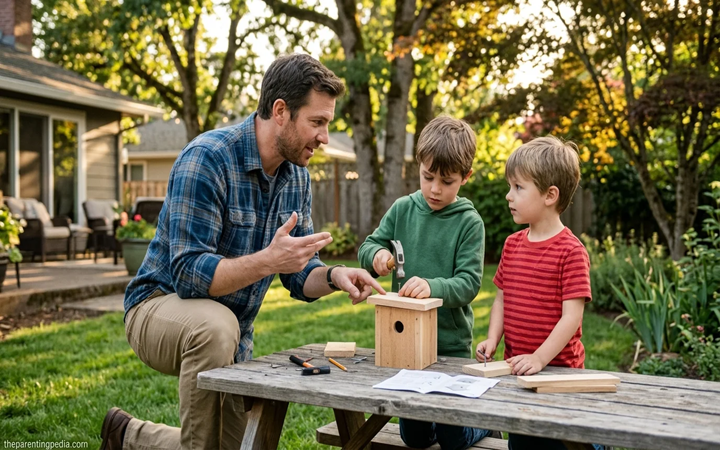
Every child learns differently, so parents should create environments that match their child’s age, interests, and personality.
Providing age-appropriate activities encourages creativity, emotional understanding, communication skills, and problem-solving abilities. A positive learning environment also helps children feel more motivated and emotionally secure.
Children learn better when parents create supportive home environments.
Recognizing Warning Signs Early
Parents should remain aware of emotional or behavioral changes that may indicate deeper challenges. Common warning signs include:
- Sudden sadness or anger
- Social withdrawal
- Poor concentration
- Excessive fear or anxiety
- Changes in sleep or eating habits
Recognizing these signs early allows parents to provide support before problems become more serious.
The Importance of Communication
Open communication is one of the strongest foundations of healthy parenting. Children need to feel heard, respected, and supported when expressing emotions.
Parents can strengthen communication by listening without judgment, spending quality time together, and encouraging honest conversations. Good communication helps children develop emotional intelligence, trust, and confidence.
Working Together with Educators
Partnerships between parents and teachers create a stronger support system for children. Regular communication with educators helps parents better understand a child’s strengths, challenges, and academic progress.
When families and schools work together, children often feel more supported both emotionally and academically.
Helping Children Become Independent
Children need opportunities to make decisions, solve problems, and learn responsibility. Encouraging independence helps children build confidence and resilience.
Simple responsibilities appropriate for a child’s age can teach important life skills while helping them become more capable and self-reliant over time.

Conclusion
Building awareness among parents and children is an ongoing process that supports emotional, social, and mental development. By focusing on communication, safety, healthy habits, and emotional well-being, parents can create a positive environment where children feel supported and confident.
Small daily efforts can have a lasting impact on a child’s growth and help them develop the skills needed to navigate life successfully.
FAQs
Q1. What are effective ways to build self-awareness in children?
Parents can build self-awareness by encouraging open conversations about feelings, asking thoughtful questions, and supporting emotional expression through activities like storytelling and journaling.
Q2. How can parents improve their child’s social awareness?
Parents can improve social awareness by teaching empathy, encouraging teamwork, and discussing real-life situations that help children understand the feelings of others.
Q3. At what age should awareness building start in children?
Awareness building can begin during toddler years, as children learn through observation, communication, and daily experiences from an early age.

Kaushik Sampat (KayEss) is the founder of TheParentingPedia, where he writes about parenting, child development, education, and family well-being. Drawing on years of hands-on parenting experience and grounding every article in current research from trusted sources in pediatrics and child psychology, he turns complex findings into clear, practical guides. His mission is simple: help parents cut through conflicting advice and make confident, informed decisions that support their children’s healthy growth.