If you are a parent of a teenager, chances are your child uses WhatsApp almost every day. Messaging apps have become a normal part of how young people communicate with friends, classmates, and family members. However, many parents worry about their children’s online safety and privacy while using these platforms. This is where Parent-Managed WhatsApp becomes important. Parent-Managed WhatsApp allows parents to guide their teenager’s WhatsApp usage and monitor certain safety settings while still protecting the privacy of personal conversations.
Table of Contents
Parents who want to learn more about protecting their children online can also read our detailed guide on WhatsApp Safety Tips for Parents.
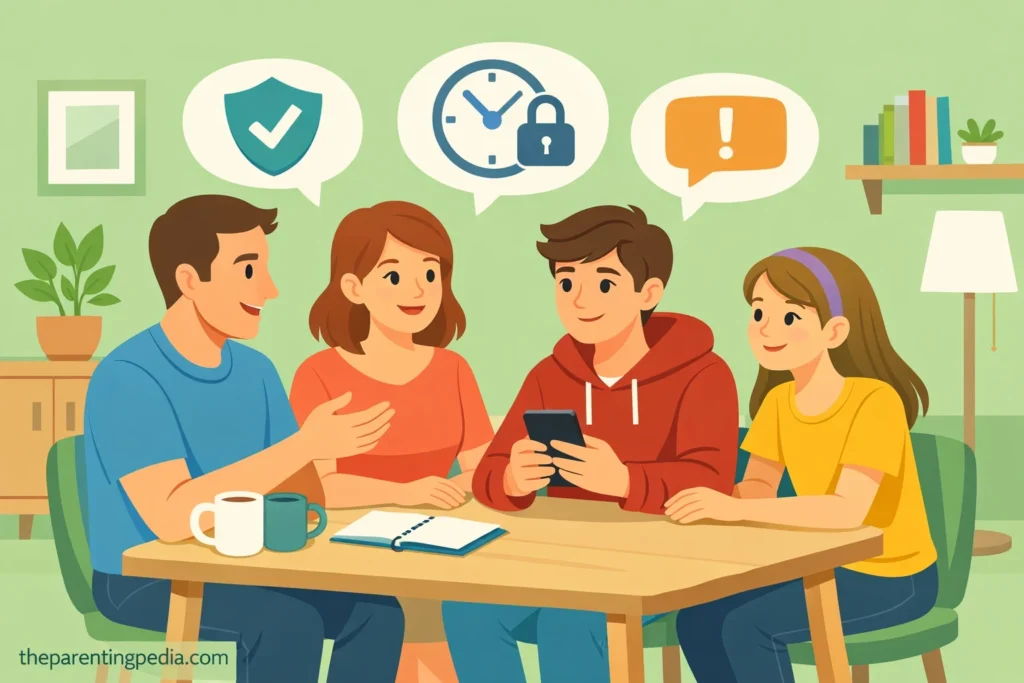
Instead of secretly checking a teenager’s phone, Parent‑Managed WhatsApp encourages open communication between parents and children. Parents and teenagers work together to enable supervision features, making the process transparent and respectful.
In this article, we will explain what Parent‑Managed WhatsApp is, how it works, what parents can monitor, what remains private, and how families can use this system to create safer and healthier digital habits.

What Is Parent‑Managed WhatsApp?
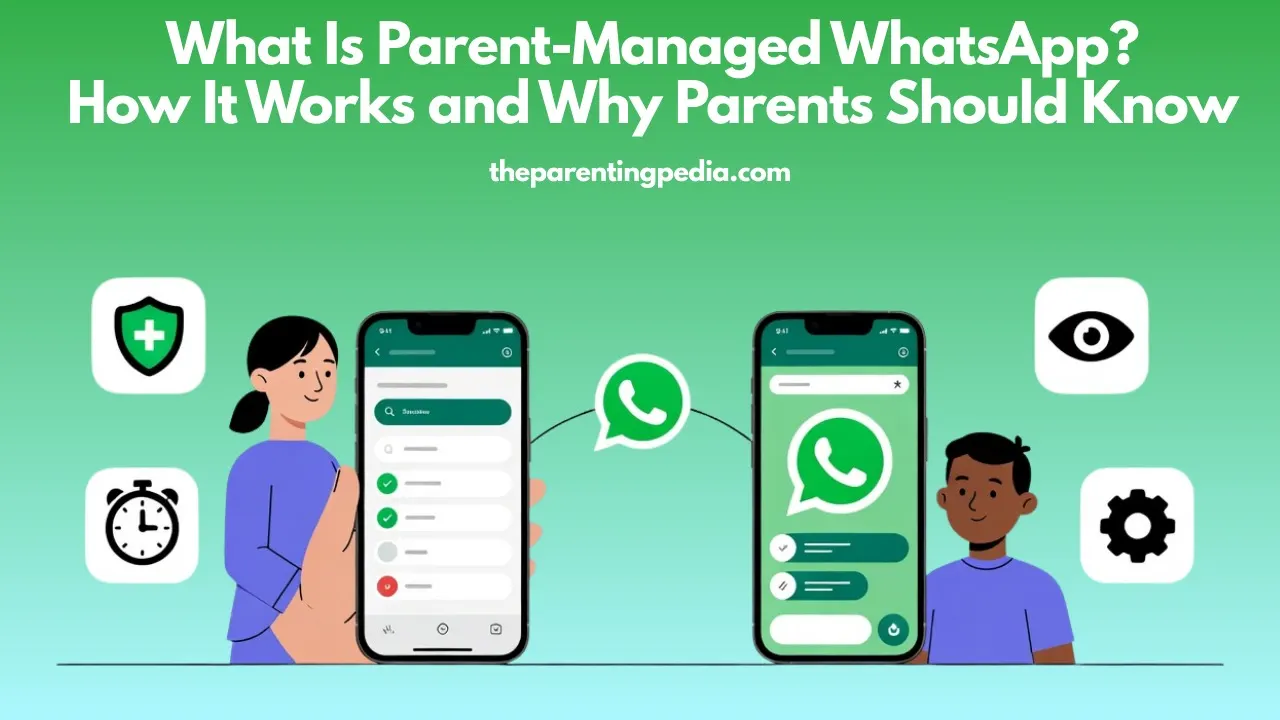
Parent‑Managed WhatsApp refers to a supervision system that allows parents to connect their account with their teenager’s WhatsApp account through parental control tools.
Once the accounts are linked, parents can review certain privacy settings, security features, and general usage information related to their teenager’s account. The goal of this system is not to spy on teenagers but to help guide them as they learn to navigate online communication responsibly.
Teenagers today grow up surrounded by technology. Messaging apps, social networks, and online communities are part of their daily lives. Because of this, learning responsible digital behavior is just as important as learning other life skills.
Parental supervision tools provide parents with an opportunity to stay involved without removing a teenager’s independence. Teenagers can still communicate freely with friends and classmates while parents can ensure that basic safety settings are properly configured.
The system is usually connected through Meta’s Family Center, which allows parents to monitor supervision tools across several Meta platforms.
Parents can also explore digital safety advice from Common Sense Media to better understand how messaging apps affect children.
This feature is generally designed for teenagers between 13 and 17 years old. During these years, teenagers begin using messaging platforms more frequently, so parental guidance can help them build responsible digital habits.
By combining independence with safety awareness, Parent‑Managed WhatsApp creates a balanced approach to technology use within families.
Why Messaging App Safety Is Important for Children
Messaging apps are powerful communication tools, but they can also expose children to online risks when used without guidance.
One common concern is cyberbullying. Teenagers may sometimes receive hurtful messages or become involved in online conflicts with peers. Because communication happens through screens, it can sometimes be easier for individuals to say things they would never say in person.
Another risk involves contact with strangers. Although many messaging conversations occur between friends, some teenagers may receive messages from unknown contacts or be added to unfamiliar groups.
Parents should also be aware of the risk of children sharing personal information online. Teenagers might unintentionally share their location, school name, or other private details without fully understanding the potential consequences.
Parents should also follow healthy screen time rules for children, especially when teenagers spend long hours on messaging apps.
Another related challenge is excessive screen time. Many teenagers spend several hours per day using smartphones and messaging apps. This can affect sleep, concentration, and emotional well‑being if not managed properly.
Healthy conversations help teenagers feel understood and supported, which is why parents should focus on building strong parent-child communication during the teenage years.
Because of these reasons, parental guidance and open conversations about digital safety are extremely important. When parents talk regularly with their children about technology use, teenagers are more likely to develop responsible online habits.
How Parent‑Managed WhatsApp Works
The setup process for Parent‑Managed WhatsApp is designed to be simple and transparent so that both the parent and the teenager are involved.
First, the teenager opens the WhatsApp settings menu on their phone. Within the settings, they can find the option related to parental supervision or family supervision.
Once the supervision option is selected, the app generates a QR code. This QR code allows the parent to connect their account through Meta’s Family Center or another parental supervision interface.
The parent scans the QR code using their own device. After scanning, the two accounts become linked.
From that point onward, parents can view certain types of information about their teenager’s WhatsApp usage. This may include screen time data, security settings, and privacy settings.
You can also check the official WhatsApp security and privacy information to learn how the platform protects users.
The supervision connection can usually be removed later if both the parent and teenager decide to disable the feature. This flexibility ensures that the supervision system remains cooperative rather than restrictive.
Most importantly, the system requires the teenager’s participation. This encourages trust and transparency instead of secret monitoring.
What Parents Can Monitor
Parent‑Managed WhatsApp allows parents to view several useful pieces of information about their child’s account.
Screen Time:
Parents can see how much time their teenager spends using WhatsApp. This helps parents understand whether messaging apps are taking too much time away from schoolwork, hobbies, or sleep.
Privacy Settings:
Parents can review certain privacy settings such as who can see the teenager’s profile photo, who can add them to groups, and who can contact them.
Security Settings:
Parents can check whether important safety features like two‑step verification are enabled.
Setting Changes:
If certain privacy settings are changed, parents may receive a notification. This helps them stay aware of important adjustments related to account security.
These features allow parents to guide their child’s digital habits while still respecting their independence.
Helping children develop emotional intelligence can improve their decision-making and communication skills, especially when they interact with others online.
What Parents Cannot See
It is equally important for parents to understand what they cannot monitor through Parent‑Managed WhatsApp.
WhatsApp uses a technology called end‑to‑end encryption. This security system ensures that only the sender and the receiver can read messages.
Because of this encryption, parents cannot access private chats, photos, videos, voice messages, or call recordings.
This design protects the teenager’s personal privacy while still allowing parents to monitor important safety settings.
Building healthy digital habits and guiding children in online communication can also help parents build confidence in children as they learn to use technology responsibly.
Maintaining this balance between supervision and privacy is important because teenagers need both guidance and personal space while growing up.
Tips for Parents Using Parent‑Managed WhatsApp
Technology tools are most effective when they are combined with good communication and clear family guidelines.
Talk openly with your child about why online safety matters. Explain that supervision tools are meant to protect them rather than invade their privacy.
Teach your child never to share personal information online. This includes their home address, phone number, passwords, or school location.
Encourage respectful online behavior. Teenagers should understand that bullying, harassment, or spreading rumors online can have serious emotional consequences.
Parents should also set healthy screen time limits and encourage offline activities such as sports, reading, hobbies, and family conversations.

safely and responsibly.
When children feel comfortable discussing their online experiences with parents, they are more likely to ask for help when something goes wrong.
Frequently Asked Questions About Parent-Managed WhatsApp
Is Parent-Managed WhatsApp safe for teenagers?
Parent-Managed WhatsApp can improve safety by allowing parents to review privacy settings and screen-time usage. However, the most important factor is still open communication between parents and teenagers about responsible online behavior.
How can parents teach children to use messaging apps safely?
Parents can teach safe messaging habits by explaining online risks, setting clear screen-time limits, and encouraging respectful communication. It is also helpful to regularly talk with children about their online experiences and remind them not to share personal information with strangers.
Can parents read their child’s WhatsApp messages with Parent-Managed WhatsApp?
No. Parents cannot read personal messages. WhatsApp uses end-to-end encryption, which means only the sender and receiver can see the messages. Even WhatsApp itself cannot access the content of chats.
What age group is Parent-Managed WhatsApp designed for?
This supervision feature is mainly designed for teenagers between 13 and 17 years old. It allows parents to guide teenagers during the stage when they start using messaging apps more frequently.
Do teenagers need to approve parental supervision?
Yes. The supervision system requires the teenager’s participation. The teen must scan a QR code and approve the connection, ensuring the process is transparent rather than secret monitoring.
What information can parents see with Parent-Managed WhatsApp?
Parents can review screen time, privacy settings, and security features such as two-step verification. They may also receive notifications when certain privacy settings are changed.
Can Parent-Managed WhatsApp completely protect children online?
No digital tool can guarantee complete protection. Parents should combine supervision tools with open communication, digital education, and healthy screen-time habits.
Conclusion
Technology will continue to play an important role in how young people communicate. Messaging apps are unlikely to disappear, and teenagers will continue to use them to connect with friends and classmates.
Instead of completely banning messaging apps, many experts recommend teaching children how to use them responsibly. Guidance, communication, and awareness are the key factors that help teenagers build healthy digital habits.
Parent‑Managed WhatsApp provides a helpful balance between independence and safety. Parents can review important settings and usage patterns while teenagers maintain the privacy of their personal conversations.
When families combine supervision tools with trust, open communication, and clear digital rules, teenagers can enjoy the benefits of technology while avoiding many of the risks that exist online.
📸➡️ “One click, one link — make your images shareable with Imagelink.online”

About the Author
Kaushiik Sampat is the founder of The Parenting Pedia and writes about parenting, child behavior, emotional development, and family well-being. Through practical guides and research-based insights, he helps parents make informed decisions that support children’s healthy growth and learning.