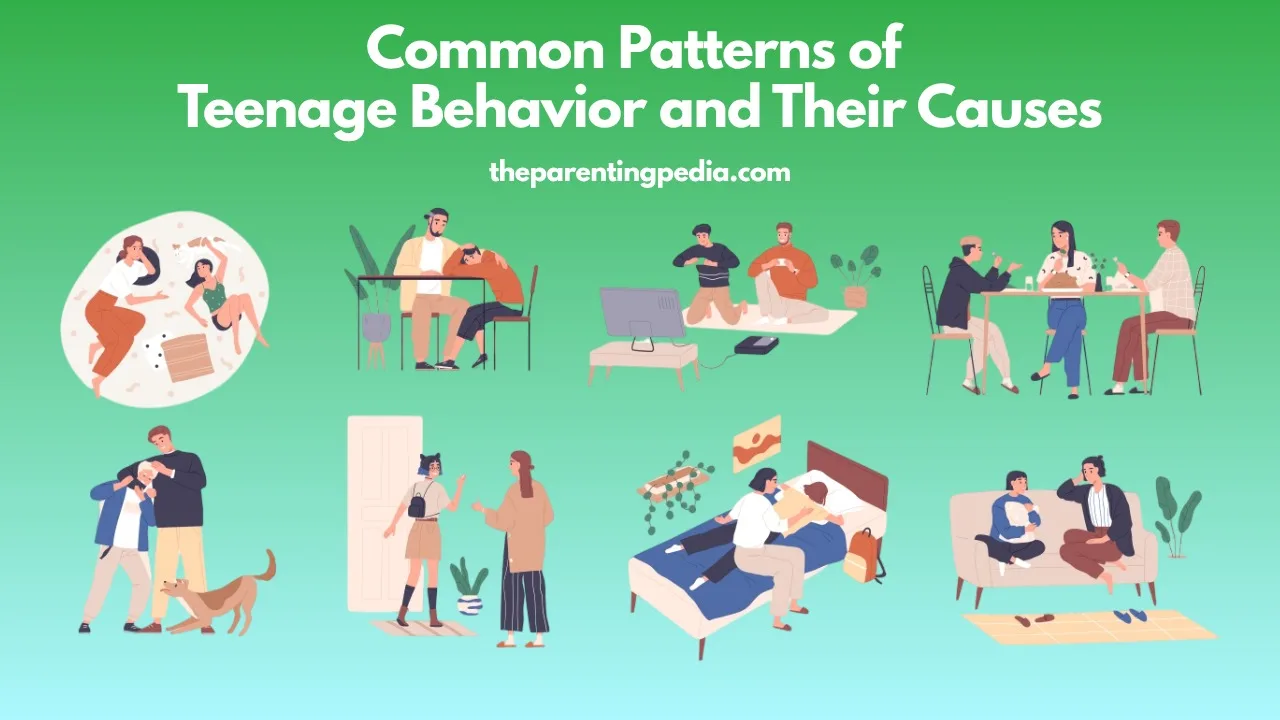
Teenage behavior can often feel confusing and challenging for parents. Mood swings, rebellion, and sudden changes are common during this stage, but understanding the reasons behind them can make a big difference. In this guide, you’ll discover the most common teenage behavior problems and practical ways parents can handle them calmly and effectively.

Parents can also explore our guide on effective discipline methods to manage difficult situations better.
Top 10 Common Teenage Behavior Problems
1. Disobedience and Desire for Independence
One of the most recognizable patterns of teenage behavior is the growing desire for independence. Teenagers begin to make their own choices about clothing, friendships, hobbies and regarding various other activities. They may resist rules or question authority figures in their lives including parents and teachers.
This behavior is a natural part of teenage development. As the brain matures, teens start forming their own identity different from their parents. They want to prove to others that they can think and act for themselves. While this independence can lead to disagreements at home, it is an important step for teenage children toward becoming a responsible adult.
What parents can do:
Stay calm
Set clear boundaries
Understanding emotional development is equally important, as explained in our article on building emotional intelligence in children.
2. Peer Pressure
During adolescence, friendships become a central and important part of life. Teens often value their peers opinions more than their parents advice. This shift in priorities of teenagers is a normal part of teenage behavior and helps young children learn how to form social connections and gain a sense of belonging with others.
Friends influence everything from fashion, clothes and music preferences to attitudes and risk-taking. While positive friendships can boost confidence and teach positive habits like cooperation to teenagers, negative pressure from friends can lead to poor choices such as skipping school or experimenting with harmful substances like alcohol and drugs.
Parents can guide their teens by encouraging friendships with children that influence them positively and staying involved in their social life without intruding. Asking open-ended questions about friends and activities in healthy way to teenagers can help parents stay informed and connected.
3. Mood Swings
Emotional changes are another common pattern of teenage behavior. Teenagers may seem cheerful one moment and withdrawn or angry the very next moment. These mood swings are often caused in teenagers by hormonal changes that they face during puberty and by increased brain activity in the emotional centers of the brain as they develop.
Teenagers also face pressure in life from school, friendships and even social media, which can intensify emotional ups and downs in their behavior. They may also struggle to balance schoolwork with their desire for social acceptance by others.
Parents should remember that emotional instability in teenagers does not always mean serious problems. Listening without judgment and providing calm support and guidance to teenage children can help them manage their feelings more effectively. If mood changes are extreme or long lasting in teenagers, professional guidance or help from a counselor may be helpful.
4. Risk Taking Behavior
Risk taking is one of the most challenging aspects of teenage behavior. Teens may drive too fast, break curfews or try things that they know are risky. Although such actions of teenagers can worry parents, this tendency is linked to brain development. The part of the brain that controls impulses and predicts consequences is still developing in teenage children during adolescence, while the reward centers are highly active. This imbalance leads teens to seek excitement without fully considering the risks.
Risk taking is not always negative, it can also motivate teens to try new experiences, join sports or pursue creative goals. The key is guiding this curiosity in safe directions by parents. Parents can discuss possible outcomes calmly with teens and provide opportunities for healthy risks, such as learning new skills or taking leadership roles in school activities.
Also Read: Challenges Faced by Parents of Children with ADHD
5. Low Self-Esteem
Another noticeable pattern of teenage behavior is increased self-awareness and concern about appearance. Teens often compare themselves to peers or celebrities, leading to insecurities about body image, weight or style. This sensitivity develops because teens are figuring out how they fit into the world. Social media plays a major role by showing idealized images that can make young people feel inadequate.
Parents can help by emphasizing qualities beyond looks such as kindness, creativity and intelligence. Encouraging healthy eating and physical activity without focusing on weight can also promote a positive self-image. Most importantly, parents should model self-acceptance and confidence in their own behavior in front of teenage children.
6. Lack of Communication
Many parents notice that their once talkative child becomes more private during the teenage years. Teens may spend more time in their room, prefer texting friends to family conversations or keep secrets with parents. This withdrawal is another normal pattern of teenage behavior, reflecting their need for personal space and independence.
While privacy is healthy, parents should stay observant for warning signs such as extreme isolation, sudden drop in grades or changes in sleep and eating habits, which might indicate deeper emotional struggles in teens.
Maintaining open communication with teenagers is key. Instead of forcing conversations, parents can show they are available for their children and willing to listen when the teen is ready to talk. Respecting some boundaries helps build trust and encourages honesty in teens.
Learn more in how to improve low confidence in kids
7. Anger and Irritability
Rebellion is often associated with adolescence. Teens may challenge household rules, argue more or experiment with behaviors parents disapprove of. This pattern of teenage behavior arises as young people test limits and assert independence.
Rebellion can be mild in children like changing hairstyles or expressing strong opinions or more serious, such as skipping responsibilities or lying. How parents respond to such situations makes a big difference. Setting clear expectations and consistent consequences helps teens learn accountability without feeling controlled.
Open discussions about values and reasoning behind rules can also reduce conflicts with children. When teens understand the purpose of boundaries, they are more likely to respect them.
8. Screen Addiction
Excessive screen time can affect sleep, focus, and real-life interactions. Teenagers may become dependent on devices for entertainment and social validation.
Solution: Set screen-time limits, create tech-free zones, and encourage offline activities like sports or hobbies.
Read our guide on how to manage screen time in children effectively
9. Academic Stress
Pressure to perform well in exams and meet expectations can lead to anxiety and burnout. Teens may feel overwhelmed balancing studies and personal life.
Solution: Help them create a realistic study schedule, offer emotional support, and focus on effort rather than just results.
10. Social Withdrawal
Some teenagers may isolate themselves due to low confidence, anxiety, or emotional struggles. They may avoid social interactions and prefer staying alone.
Solution: Encourage open communication, spend quality time together, and gently motivate them to engage in social or group activities.
Practical Tips for Parents
Stay calm and patient
Build trust with your teenager
Set clear rules and boundaries
Encourage open communication
Spend quality time together
Also read effective child discipline techniques
Conclusion
Understanding teenage behavior is essential for building strong, trusting relationships between parents and their children. Most of the challenges parents face during adolescence are part of normal growth and development. By learning the reasons behind these behaviors ranging from the search for independence to peer influence and emotional changes, parents can guide their teen children more effectively. Rather than seeing this stage as a struggle, parents can view it as an opportunity to help their children grow into capable, confident young adults.
Every teenager needs understanding more than control. With patience and the right approach, parents can guide their children through this important phase successfully.

FAQs
1. What is a typical teenage behavior?
Typical teenage behavior includes mood swings, a desire for independence, strong peer influence and curiosity about new experiences. Teens often question authority, seek identity and value friendships deeply. These behaviors are normal as teenagers learn to make decisions, express themselves and develop confidence during their transition to adulthood.
2. What are the most common teenage problems?
The most common teenage problems include peer pressure, low self-esteem, academic stress and family conflicts. Teens also struggle with body image issues, social media influence and mental health challenges like anxiety or depression. Balancing school, friendships and identity often leads to confusion and emotional ups and downs during adolescence.
3. What are some typical teen behavioral changes?
Typical teen behavior might include: Spending more time with friends and less time with family. Spending more time in their room alone. Trying out different personal styles (clothing, hair, makeup, etc.).
4. What are the most common teenage problems?
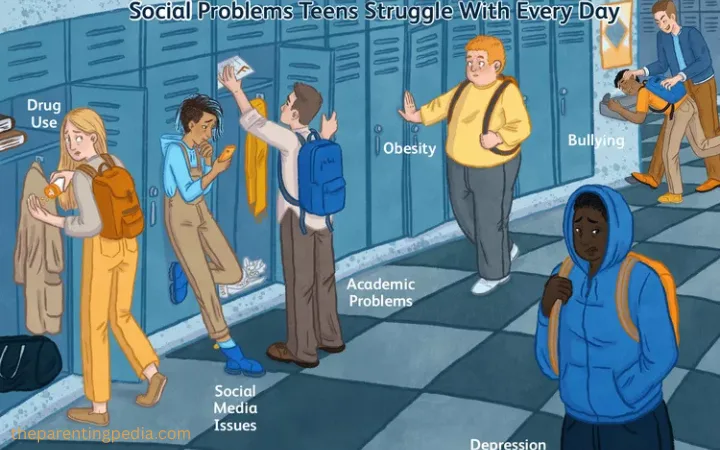
The common teenage problems that teenagers face today are usually related to:
> Self-Esteem and Body Image.
> Stress.
> Bullying.
> Depression.
> Cyber Addiction.
> Drinking and Smoking.
> Teen Pregnancy.
> Underage Sex.
5. What causes teenage mood swings?
It’s not unusual for teens’ moods to shift quickly and for their emotional responses to be strong. That’s due, in part, to the developmental changes in brain activity and to the fluctuations in hormones that happen in an adolescent’s body.
6. Why is my teenage daughter so angry?
A teenager’s anger can stem from normal adolescent developmental factors like hormonal changes and a rapidly developing brain, which impacts emotional regulation. However, it can also signal underlying issues such as stress, anxiety, bullying, family problems, mental health conditions, or even substance use. It’s important to foster open communication, set consistent boundaries, and observe for signs of more significant problems to provide appropriate support for your daughter.
Get inspired by simple yet powerful business opportunities you can explore now.