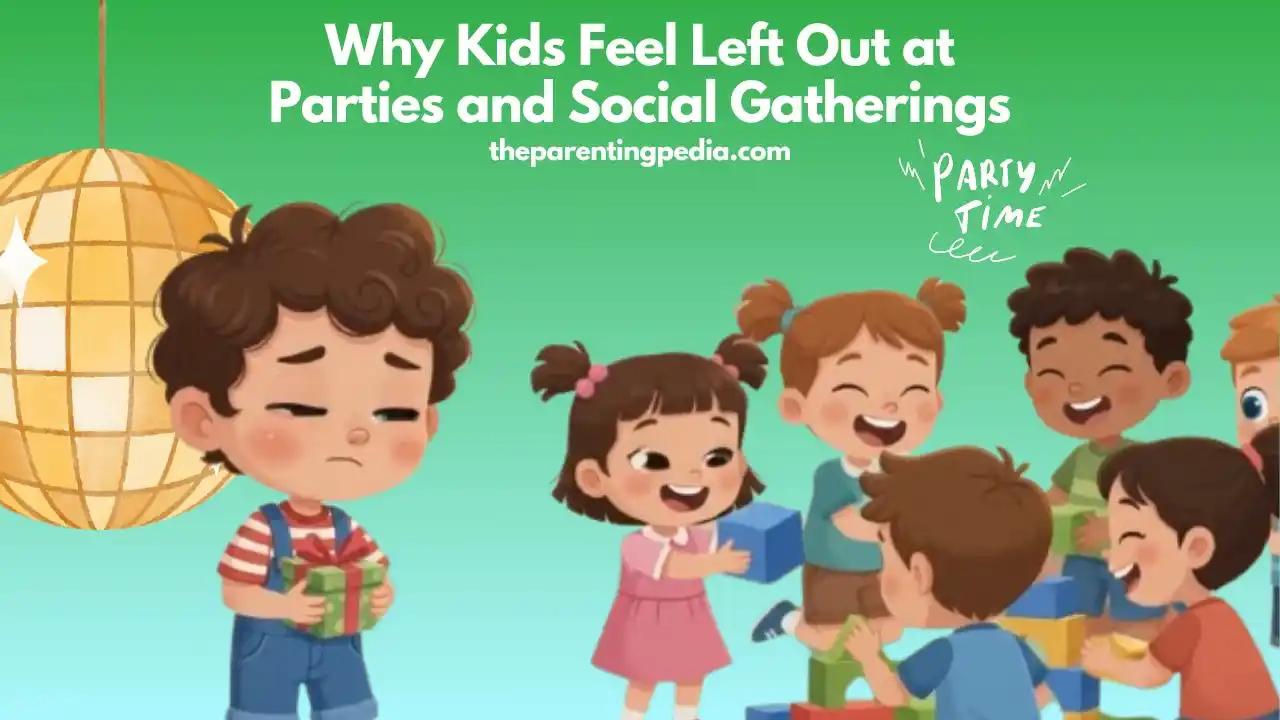
Parties, birthdays, school events, and family gatherings are often seen as fun experiences for children. However, not every child feels included or comfortable in social situations. Some children may quietly stand alone, struggle to join conversations, or feel hurt when they are not invited to participate in activities. Understanding why kids feel left out at parties and social gatherings can help parents provide the support their children need to develop confidence and healthy social skills.
Table of Contents
Many parents assume that children will naturally fit in with their peers. In reality, social situations can be challenging, especially for children who are shy, sensitive, anxious, or still learning how to build friendships.+

Why Kids Feel Left Out At Parties? That Can Be So Painful for Children
Children have a strong need to belong. Feeling accepted by peers helps them develop self-esteem, emotional security, and confidence. When children feel excluded, they may begin to question their worth or believe that something is wrong with them.
Unlike adults, children often lack the emotional skills needed to understand or manage feelings of rejection. Even small social setbacks can have a significant impact on their emotions.
Understanding emotions becomes easier when parents actively work on building emotional intelligence in children from an early age.
Common Emotional Reactions
Children who feel left out may experience:
- Sadness
- Embarrassment
- Loneliness
- Frustration
- Anxiety
- Reduced self-confidence
These feelings may not always be expressed openly. Some children hide their emotions and appear fine on the surface.
Child development experts explain that a sense of belonging plays an important role in a child’s emotional well-being. Positive peer relationships help children build confidence, resilience, and social skills that support healthy development.
The American Academy of Pediatrics provides additional information about children’s social and emotional development.
Common Reasons Kids Feel Left Out at Parties and Social Gatherings
1. Shyness and Social Anxiety
Some children naturally take longer to warm up in social situations. Loud environments, unfamiliar faces, and large groups can feel overwhelming.
A shy child may want to participate but feel unsure about how to approach others or join a group activity.
2. Existing Friendship Groups
Many children attend events where friendship groups have already formed. New or less-connected children may struggle to find their place within established social circles.
This is especially common at school parties, sports events, and neighborhood gatherings.
3. Different Interests
Children often connect through shared interests. A child who enjoys reading, art, or quieter activities may find it difficult to relate to peers who are focused on sports, gaming, or energetic group activities.
4. Lack of Social Skills
Some children are still learning important social skills such as:
- arting conversations
- Taking turns
- Reading social cues
- Joining group activities politely
Without these skills, children may unintentionally isolate themselves.
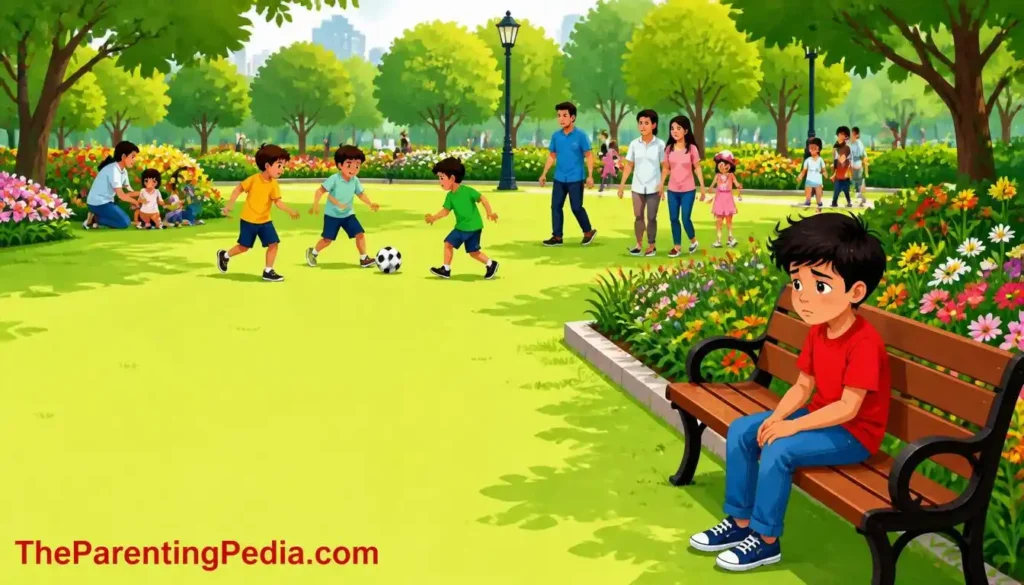
Signs Your Child May Be Feeling Left Out
Behavioral Signs
Parents should watch for signs such as:
- Avoiding social events
- Staying close to parents during gatherings
- Appearing withdrawn
- Refusing invitations
- Spending time alone
Emotional Signs
Children may also:
- Complain that nobody likes them
- Feel upset after parties
- Become unusually quiet
- Show lower self-confidence
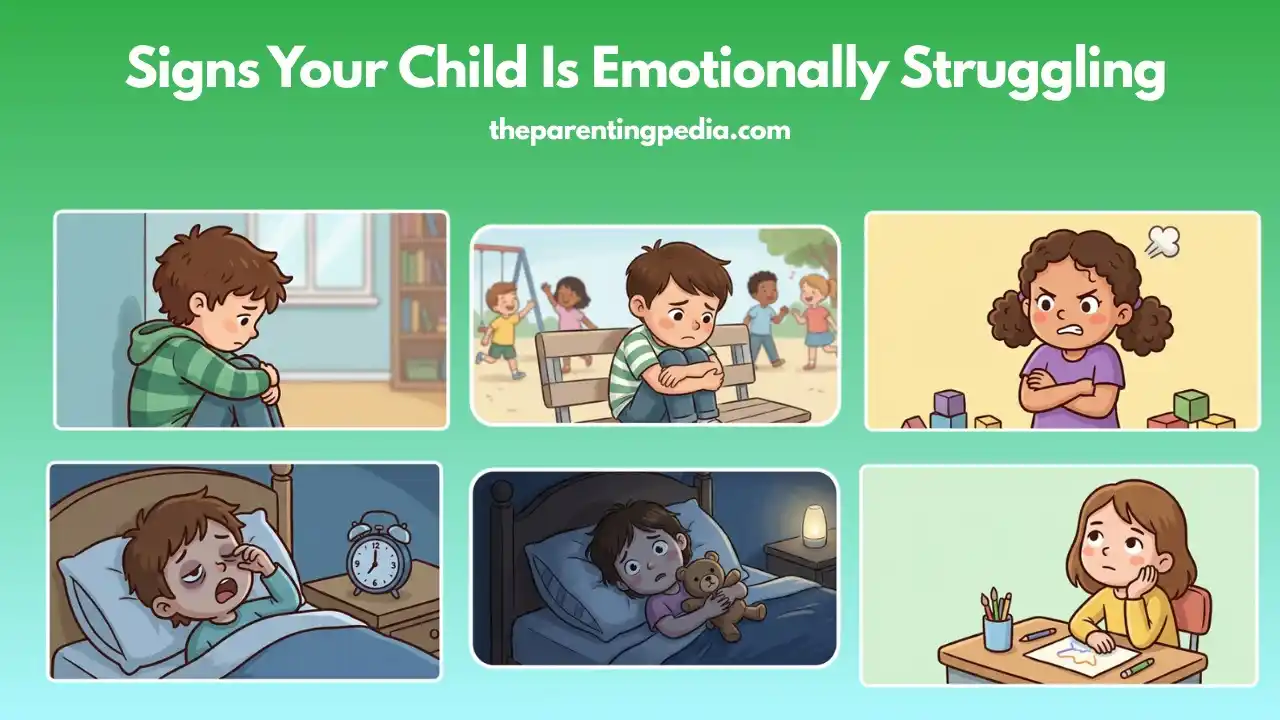
Parents should also learn to recognize the signs your child is emotionally struggling before social difficulties begin affecting everyday life.
Real-Life Observation
Many parents notice that their child seems happy during an event but later expresses sadness at home. Children sometimes hide their feelings in public because they do not want others to notice their struggles.
How Parents Can Help Children Feel More Included
Encourage Open Conversations
Ask gentle questions after social events:
- Did you have fun?
- Who did you spend time with?
- Was there anything that made you uncomfortable?
Listen without judgment and avoid immediately trying to solve every problem.
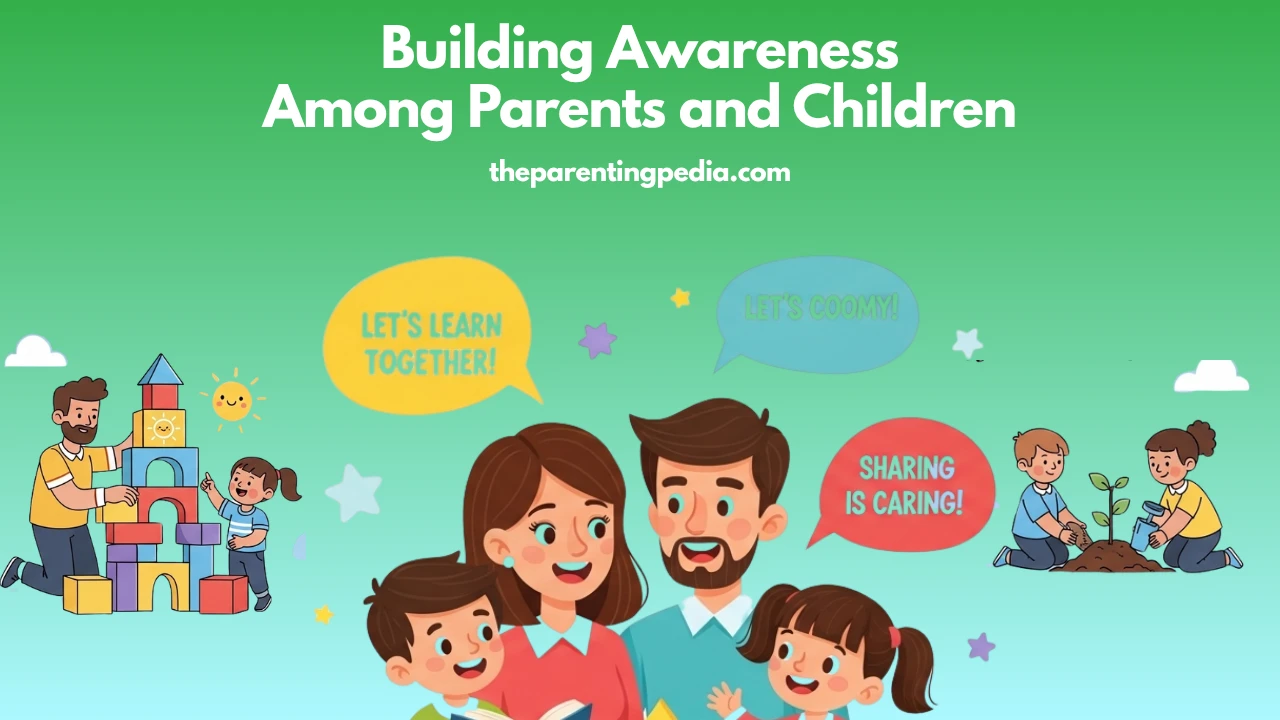
Strong parent-child relationships often begin with effective communication with children at home.
Teach Practical Social Skills
Role-playing can help children practice:
- Introducing themselves
- Joining conversations
- Asking to participate in games
- Making eye contact
These skills often become easier with practice.
Build Confidence Through Strengths
Children who feel confident in other areas are often more resilient socially.
Encourage activities where your child can succeed, such as:
- Sports
- Art
- Music
- Reading clubs
- Volunteer activities
Arrange Smaller Social Opportunities
Large gatherings can feel overwhelming. Consider organizing:
- Playdates
- Small family gatherings
- One-on-one activities
Smaller interactions often help children build stronger friendships.
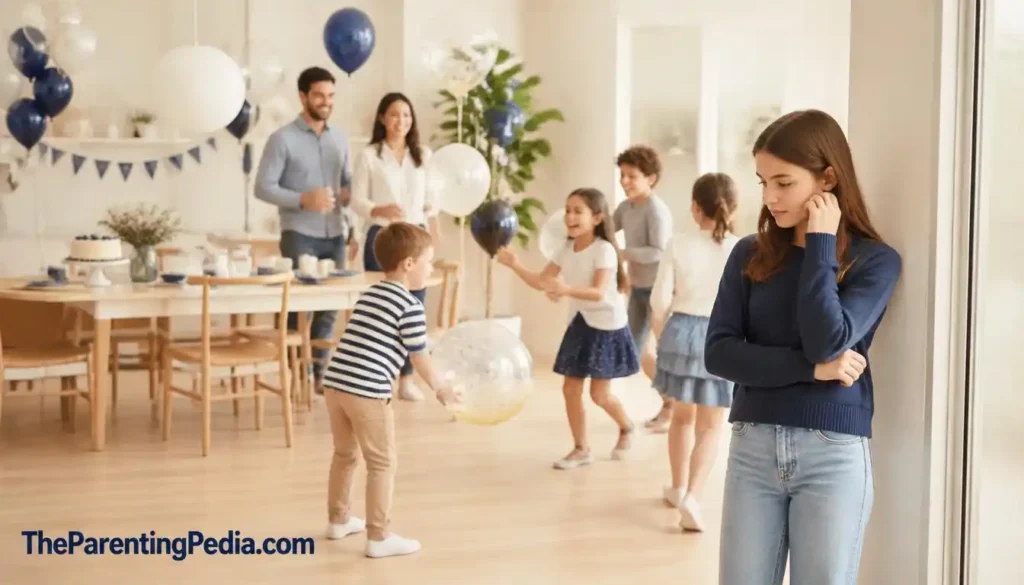
What Parents Should Avoid
Avoid Forcing Participation
Pressuring children to immediately join activities may increase anxiety.
Avoid Comparing Children
Statements such as “Look how easily your cousin makes friends” can damage self-esteem.
Avoid Dismissing Feelings
Even if a situation seems minor to an adult, it may feel significant to a child.
Instead, acknowledge their emotions and offer support.
When Should Parents Seek Additional Support?
If feelings of exclusion begin affecting your child’s daily life, school performance, or emotional well-being, consider speaking with:
- Teachers
- School counselors
- Child psychologists
- Pediatricians
Professional guidance can help identify underlying social or emotional challenges.
Research from the American Psychological Association highlights the important role peer relationships play in a child’s emotional development.
Note: Every child develops social skills at their own pace. The information in this article is intended for educational purposes and should not replace professional advice from a qualified healthcare provider or child psychologist.
Parent Insight
Many children experience moments of feeling left out, especially when friendship groups are already established. In most cases, patient guidance, encouragement, and regular opportunities to socialize can gradually help children feel more confident and included.
Conclusion
Feeling left out at parties and social gatherings is a common experience for many children. While occasional exclusion is a normal part of growing up, persistent feelings of loneliness can affect confidence and emotional well-being. Parents can make a meaningful difference by listening, teaching social skills, creating supportive opportunities, and helping children recognize their strengths. With patience and encouragement, most children can develop stronger social connections and greater confidence in social situations.
Frequently Asked Questions (FAQs)
1. Is it normal for children to feel left out sometimes?
Yes. Most children experience occasional feelings of exclusion as they learn social skills and build friendships.
2. How can I tell if my child is struggling socially?
Watch for withdrawal, sadness after social events, avoidance of gatherings, or comments about not having friends.
3. Should I intervene when my child feels excluded?
Offer support and guidance, but avoid solving every social problem for them. Encourage problem-solving and confidence-building.
4. Can social anxiety cause children to feel left out?
Yes. Social anxiety can make it difficult for children to participate and connect with peers.
5. What activities help children build social confidence?
Sports, clubs, hobbies, volunteer work, and small playdates can all improve social confidence.
6. When should I seek professional help?
Consider professional support if social difficulties significantly affect your child’s happiness, school life, or emotional health.

About the Author
Kaushiik Sampat is the founder of The Parenting Pedia and writes about parenting, child behavior, emotional development, and family well-being. Through practical guides and research-based insights, he helps parents make informed decisions that support children’s healthy growth and learning.