OTT platforms like Netflix, Amazon Prime Video, Disney+ Hotstar, and YouTube have become a big part of children’s daily lives. The effects of OTT platforms on teenagers and children are becoming a growing concern for many parents today. Many kids and teenagers now spend hours watching web series, cartoons, movies, and short videos every day. While OTT platforms offer entertainment and learning opportunities, they can also negatively affect children if not used properly.
Today, many parents are worried about screen addiction, violent content, sleep problems, and changes in behavior caused by excessive OTT viewing. Understanding the effects of OTT platforms on teenagers and children can help parents create healthier digital habits at home.
Table of Contents
What Are OTT Platforms?
TT (Over-The-Top) platforms are online streaming services that allow users to watch content anytime using the internet.
Popular OTT platforms include:
Today, there are more than 5,000 OTT platforms operating worldwide, offering movies, TV shows, educational content, live sports, and entertainment in different languages and categories.

Children and teens enjoy these platforms because they are easy to access on mobile phones, tablets, laptops, and smart TVs.
Positive Effects of OTT Platforms on Children
OTT platforms are not completely bad. When used wisely, they can offer several benefits.
1. Educational Content
Many OTT platforms provide:
- Educational cartoons
- Science documentaries
- Language-learning videos
- Motivational stories
These programs can improve creativity and knowledge.
2. Family Entertainment
Watching family-friendly shows together can help parents bond with children and create happy memories.
3. Stress Relief
After school or studies, limited entertainment can help children relax and refresh their minds.
Negative Effects of OTT Platforms on Teenagers and Children
Too much OTT exposure can create serious emotional, mental, and physical problems.
1. Screen Addiction
Many teenagers spend several hours binge-watching web series late at night. Over time, this can become a habit that is difficult to control.
Signs of screen addiction include:
- Irritability without devices
- Ignoring studies
- Reduced outdoor play
- Constant desire to watch more episodes
2. Sleep Problems
Late-night streaming affects sleep quality. Children who sleep late often feel tired, lazy, and less focused during school hours.
Poor sleep can also affect:
- Mood
- Memory
- Academic performance
According to child health experts, excessive screen time may affect sleep quality, concentration, and emotional health in children.
3. Exposure to Inappropriate Content
Some OTT shows contain:
- Violence
- Abusive language
- Adult scenes
- Drug-related content
Teenagers may copy risky behaviors without understanding the consequences.
4. Reduced Social Interaction
Excessive screen time can reduce face-to-face communication with family and friends. Some children become emotionally distant and prefer staying alone.

Parents should understand how emotional and mental development plays an important role in maintaining healthy social relationships in children.
5. Mental Health Issues
Continuous exposure to unrealistic lifestyles, social comparison, and emotional drama may increase:
- Anxiety
- Stress
- Loneliness
- Low self-confidence
Many experts believe that excessive screen exposure can negatively affect a child’s emotional well-being and stress levels over time.
Real-Life Example
12-year-old Aarav started watching web series during school holidays. At first, he watched only one episode daily. Slowly, he began binge-watching late into the night. He stopped playing outside, became irritated easily, and his school grades dropped.
His parents later introduced screen time rules, family activities, and outdoor games. Within a few weeks, Aarav became more active and emotionally balanced again.
This situation is becoming common in many households today.
Pros and Cons of OTT Platforms
| Pros | Cons |
|---|---|
| Educational content | Screen addiction |
| Family entertainment | Sleep disturbance |
| Stress relief | Exposure to adult content |
| Creativity and learning | Reduced physical activity |
| Easy access to information | Mental health concerns |
How Parents Can Reduce OTT Addiction
1. Set Screen Time Limits
Create fixed viewing hours for children. Avoid unlimited access to mobile phones or TVs.
2. Use Parental Controls
Most OTT platforms offer parental control settings to block unsuitable content.
3. Encourage Outdoor Activities
Motivate children to:
- Play sports
- Ride bicycles
- Join hobbies
- Spend time with friends
Physical activity improves mental health and reduces screen dependence.
4. Watch Together Sometimes
Watching content together helps parents understand what children are consuming online.
5. Create Device-Free Zones
Avoid devices during:
- Family meals
- Study time
- Bedtime
This improves communication and emotional bonding.
Warning Signs Parents Should Not Ignore
Parents should take action if children:
- Become aggressive after watching OTT content
- Avoid social interaction
- Stay awake late at night
- Lose interest in studies
- Show emotional mood swings
- Spend excessive time alone with devices
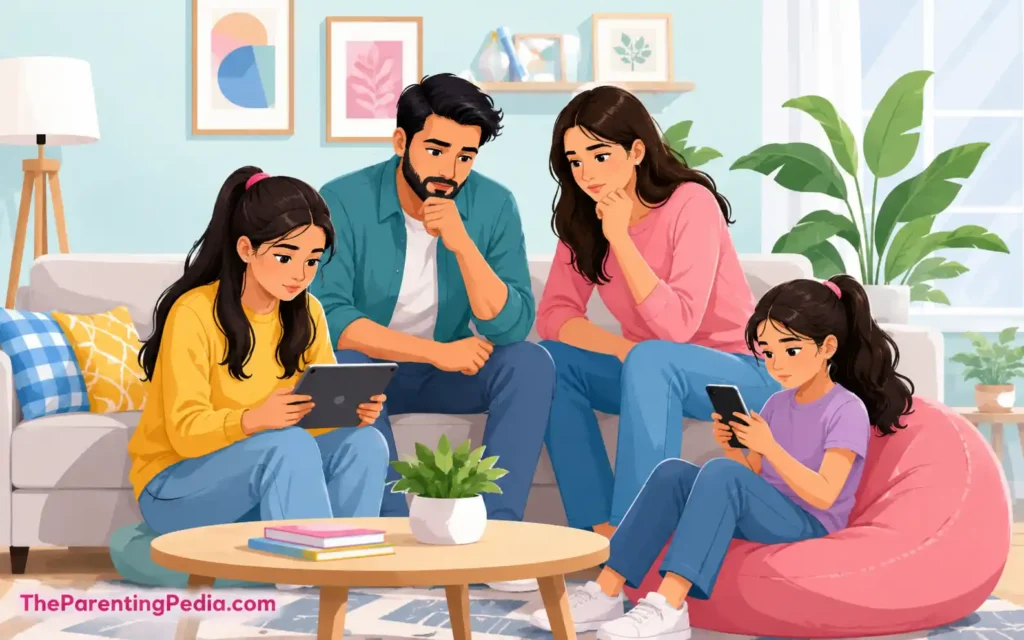
Sudden behavioral changes, low confidence, and emotional withdrawal may sometimes indicate unhealthy digital habits in children.
FAQs
Q1. Are OTT platforms harmful for children?
OTT platforms are not always harmful, but excessive use can affect sleep, behavior, studies, and mental health. Proper monitoring is important.
Q2. How much OTT screen time is safe for kids?
Parents should keep screen time limited and balanced with physical activities, studies, and family interaction.
Q3. Can OTT platforms affect teenage behavior?
Yes, violent or adult content may influence emotions, aggression, language, and social behavior in teenagers.
Q4. What are signs of OTT addiction in children?
Common signs include irritability, poor sleep, reduced outdoor activity, lower grades, and constant device use.
Q5. How can parents control OTT content?
Parents can use parental controls, set passwords, limit viewing time, and regularly check watch history.
Q6. Do OTT platforms affect mental health?
Too much binge-watching may increase stress, anxiety, loneliness, and emotional imbalance in some children and teens.
Several research studies have linked increased digital media consumption with rising mental health concerns among teenagers.
Related Articles
Helpful parenting tips: How Parents Can Create Healthy Screen Time Rules at Home
Read also: Why Kids Today Are More Stressed Than Ever? (9 Powerful Ways Parents Can Help)
You may also like: How Excessive Screen Time Affects Children’s Mental Health
Related guide: Signs of Mobile Phone Addiction in Teenagers and Children
Conclusion
OTT platforms are now a part of modern childhood and teenage life. They can educate, entertain, and inspire children when used wisely. However, excessive OTT exposure can also lead to addiction, emotional problems, poor sleep, and unhealthy behavior.
Parents do not need to completely ban OTT platforms. Instead, they should guide children toward balanced and responsible screen habits. Small steps like setting limits, encouraging outdoor play, and spending quality family time can make a big difference in protecting children’s mental and emotional well-being.

Kaushik Sampat (KayEss) is the founder of TheParentingPedia, where he writes about parenting, child development, education, and family well-being. Drawing on years of hands-on parenting experience and grounding every article in current research from trusted sources in pediatrics and child psychology, he turns complex findings into clear, practical guides. His mission is simple: help parents cut through conflicting advice and make confident, informed decisions that support their children’s healthy growth.