Why kids today are more stressed than ever is a growing concern for many parents across the world. Childhood was once considered the happiest and most carefree phase of life. However, today many children are dealing with stress, anxiety, and emotional pressure from a very young age. Academic expectations, social comparison, family conflicts, and fear of failure are making children emotionally exhausted.
As parents, understanding the causes and signs of stress is very important. With proper support, emotional connection, and healthy parenting habits, children can learn to handle stress in a better way and grow up emotionally strong.
Table of Contents
Why This Topic Matter
Children’s emotional health is as important as their physical health. Stress during childhood can affect mental growth, confidence, sleep, behavior, and overall happiness. According to experts from HealthyChildren.org and the World Health Organization (WHO), emotional support during childhood plays a major role in healthy development.
Parents should create a safe, peaceful, and supportive environment where children feel understood and emotionally secure.
What Is Causing Stress in Kids Today?
There are many reasons why children experience stress today. Some of the most common causes include:
- Academic pressure and exam stress
- Social comparison and peer pressure
- Family problems and arguments at home
- Fear of failure
- Bullying and social fear
- Pressure to maintain a perfect image
- Excessive screen exposure
- Parents’ high expectations
- Worries about the future
Many children silently carry these emotional burdens without openly expressing them.
Parents should also understand how emotional pressure affects a child’s confidence and daily behavior.
Signs Your Child May Be Stressed
Children often show stress through changes in behavior rather than words. Parents should notice these early warning signs:
- Lack of concentration
- Frequent anger or irritation
- Avoiding school
- Sleeping problems
- Spending too much time alone
- Crying over small issues
- Eating too little or too much
- Regular headaches or stomach aches
- Loss of interest in activities
Recognizing these signs early can help parents provide support before stress becomes severe.
According to experts, long-term stress can affect a child’s mental and physical health.
Effects of Stress on Children
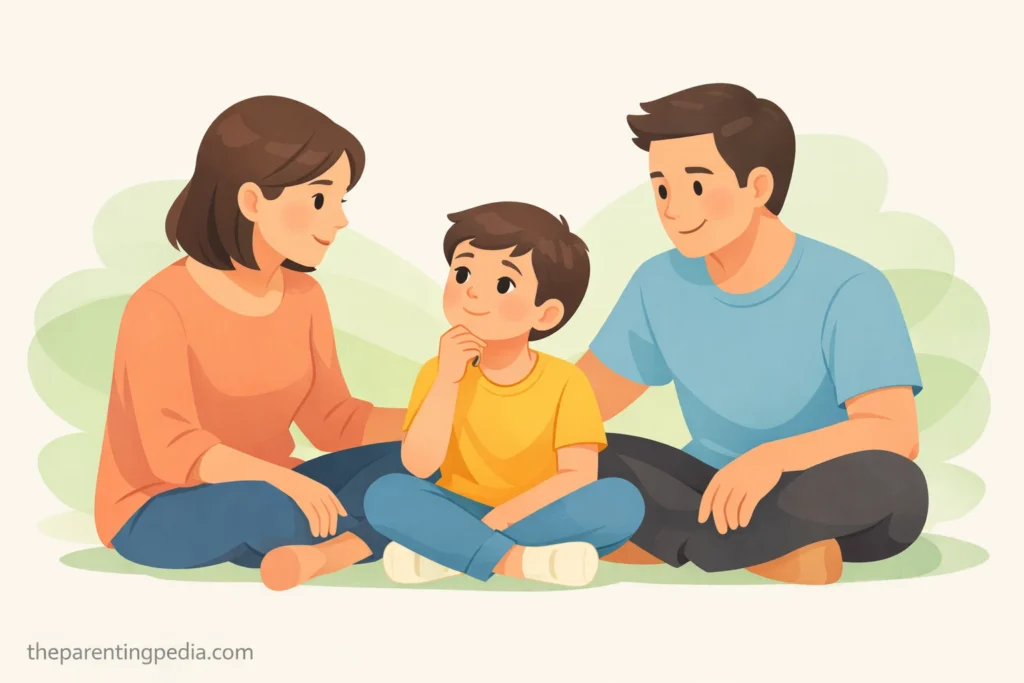
Stress can affect children emotionally, physically, and behaviorally.
Many experts believe why kids today are more stressed than ever is connected to modern lifestyle changes and emotional pressure.
Emotional Effects
- Anxiety and fear
- Mood swings
- Emotional breakdowns
- Low confidence and self-esteem
Physical Effects
- Poor sleep quality
- Low energy levels
- Weak immunity
- Frequent headaches and stomach pain
Behavioral Effects
- Isolation from family and friends
- Phone or gaming addiction
- Lack of interest in studies
- Social withdrawal and inactivity
If stress continues for a long time, it can affect a child’s overall personality and emotional stability.
Some children may also become quiet or avoid social situations when stress increases.
9 Powerful Ways Parents Can Help
With supportive parenting and emotional understanding, parents can help children manage stress effectively.
1. Spend Quality Time Together
Spend time talking, listening, and connecting with your child daily. Children feel emotionally safe when parents genuinely listen to them without judgment.
2. Avoid Excessive Academic Pressure
Many children fear disappointing their parents because of marks and exams. Encourage learning without putting unrealistic pressure on them.
3. Create a Peaceful Home Environment
Children absorb the emotional atmosphere around them. Constant arguments and shouting at home can increase stress levels. A calm home creates emotional security.
4. Reduce Screen Time
Too much screen exposure affects sleep, focus, and emotional balance. Encourage outdoor games, hobbies, and physical activities instead of excessive mobile use.
5. Teach Children to Express Emotions
Many children struggle because they hide their feelings. Encourage open conversations and teach them that sadness, anger, and fear are normal emotions.
6. Encourage Physical Activity
Exercise helps reduce stress hormones and improves mood. Activities like cycling, sports, dancing, or walking can greatly benefit emotional health.
7. Build a Healthy Daily Routine
A stable routine gives children emotional comfort. Ensure proper sleep, healthy meals, study time, playtime, and family interaction every day.
8. Introduce Relaxation Habits
Simple practices like meditation, deep breathing, and mindfulness can help children calm their minds and manage anxiety better.
9. Be Emotionally Available
Sometimes children only need someone who listens and supports them. Being emotionally present helps children feel valued, secure, and confident.
Healthy daily routines and emotional support can help children cope with stress more effectively.
Common Mistakes Parents Make
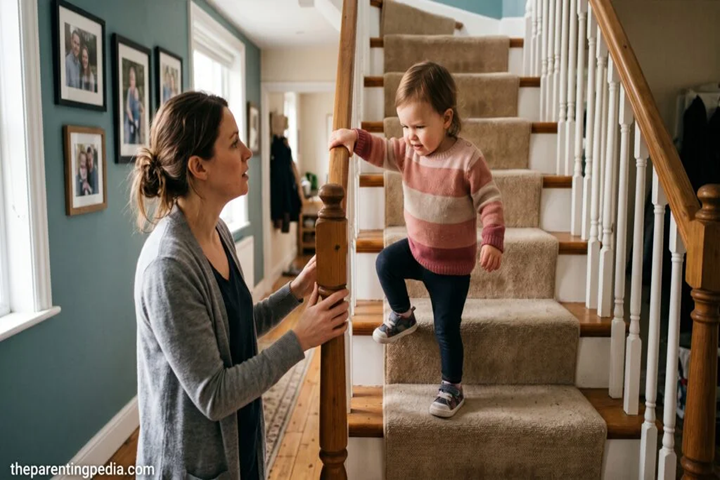
Even caring parents can unknowingly increase stress in children.
Common Parenting Mistakes
- Comparing children with others
- Ignoring emotional signals
- Expecting perfection
- Over-scheduling activities
- Using fear-based discipline
- Not spending enough quality time
Small parenting changes can make a big difference in a child’s emotional well-being.
Age-Based Tips for Managing Stress
Different age groups need different types of emotional support.
Toddlers (2–5 Years)
Helpful Tips
- Maintain stable routines
- Use calm communication
- Give affection and comfort
Kids (6–12 Years)
Helpful Tips
- Encourage open conversations
- Balance studies and playtime
- Monitor screen usage carefully
Teenagers (13–18 Years)
Helpful Tips
- Respect their emotions
- Avoid harsh criticism
- Support independence while staying emotionally connected
When Should Parents Seek Professional Help?
Sometimes stress becomes severe and needs professional attention.
Parents should consider consulting a child psychologist or counselor if:
- Anxiety continues for several weeks
- The child regularly avoids school
- Panic attacks happen frequently
- Eating and sleeping habits become unhealthy
- The child constantly talks negatively about themselves
Early support can prevent long-term emotional and mental health problems.
Too much screen exposure can increase emotional stress and sleep problems in children.
FAQs
Q1. Why are children more stressed today than before?
Children today face more academic pressure, social comparison, screen exposure, and emotional disconnection.
Q2. Can stress affect physical health?
Yes. Stress can lead to headaches, stomach pain, sleep problems, and low energy.
Q3. How can parents reduce stress in children?
Parents can help by being emotionally supportive, spending time together, and creating a healthy home environment.
Q4. What are common signs of stress in kids?
Irritability, anger, poor concentration, sleep issues, and isolation are common signs.
Q5. When should professional help be taken?
Professional help is important when stress starts affecting daily life, school, relationships, or emotional stability.
Conclusion
Children today are growing up in a fast-moving and highly competitive world. Academic pressure, social expectations, emotional struggles, and fear of failure are affecting their mental well-being. However, supportive parenting can make a huge difference.
Simple actions like listening carefully, spending time together, reducing pressure, and creating a peaceful home can help children feel emotionally safe and confident. Every child deserves a happy, secure, and emotionally supportive childhood where they feel loved, understood, and stress-free.

Kaushik Sampat (KayEss) is the founder of TheParentingPedia, where he writes about parenting, child development, education, and family well-being. Drawing on years of hands-on parenting experience and grounding every article in current research from trusted sources in pediatrics and child psychology, he turns complex findings into clear, practical guides. His mission is simple: help parents cut through conflicting advice and make confident, informed decisions that support their children’s healthy growth.