
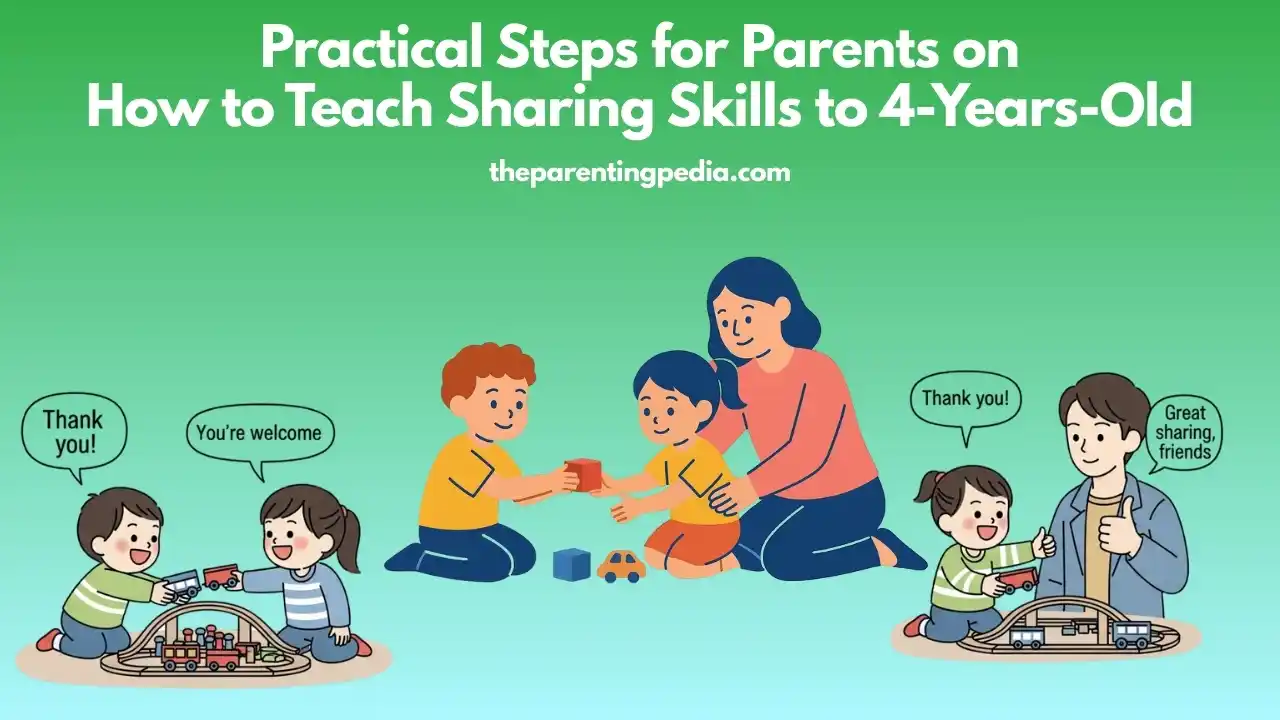
Teaching a young child to share can feel like a big challenge, but it is also one of the most important social lessons they will learn in early childhood. At four years old, children are becoming more aware of others but still naturally think about their own needs first. Because of this, parents often find themselves dealing with conflicts over toys, snacks or attention. With patience, guidance and the right strategies, parents can help their children build strong sharing skills that will benefit them throughout life. This article offers clear, practical steps parents can use to teach sharing skills to 4-year-olds in a positive and gentle way.
Understanding Why Sharing Is Hard for 4 Year Olds
Before teaching sharing skills, it helps for parents to understand a child’s development. A four year old is building independence and testing boundaries. They may understand the idea of sharing but still struggle with managing emotions like frustration or impatience. They are also becoming more social and forming friendships, which makes learning to share more important than ever. Recognizing this normal stage of development helps parents stay calm and supportive rather than expecting perfect behavior from children right away.
Simple Tips to Encourage Sharing in Children
1. Model Sharing in Everyday Life
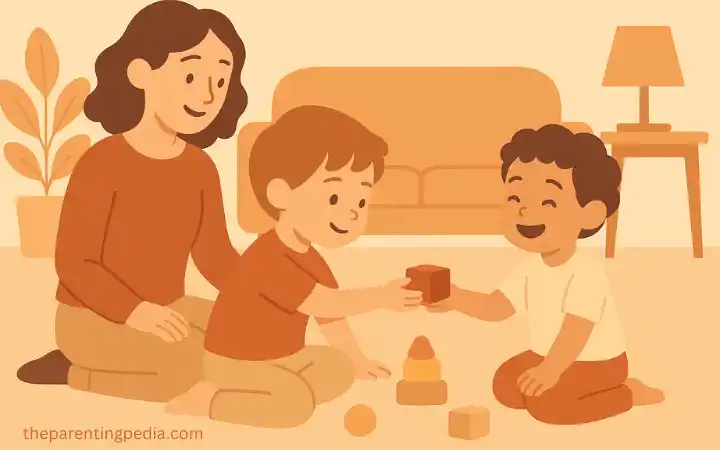
Children learn best by watching. When parents model good sharing skills, children begin to imitate what they see. Parents can show sharing during daily routines, such as offering part of their snack to someone else or taking turns during conversations. For example, a parent might say, “I am using this pencil, but I can share it with you when I am finished.” Simple actions like this demonstrate cooperation to children and make the idea of sharing feel natural.
2. Explain What Sharing Means in Simple Words
Four year olds understand more than they can express, but they still need clear explanations. Parents can break down what sharing means using simple, friendly language. Instead of long instructions, they can use short sentences for explaining children such as “Sharing means giving someone a turn.” or “You can share your toys, and your friend can share their toys with you as well.” Clear language like this helps children connect the word “share” to real behavior, building their sharing skills gradually and gently.
3. Use Positive Reinforcement
Positive reinforcement works extremely well for building sharing skills in young children. When a child shares, even in a small way, parents can praise them sincerely. This teaches the child that sharing is a good and appreciated behavior. Parents may say something like “I saw you let your friend use the truck. That was very kind.” or “You waited for your turn so patiently. I am proud of you.” Praise encourages children to repeat the behavior, especially when they notice the positive reaction from adults.
📸➡️ “One click, one link — make your images shareable with Imagelink.online”
4. Create Opportunities for Practice
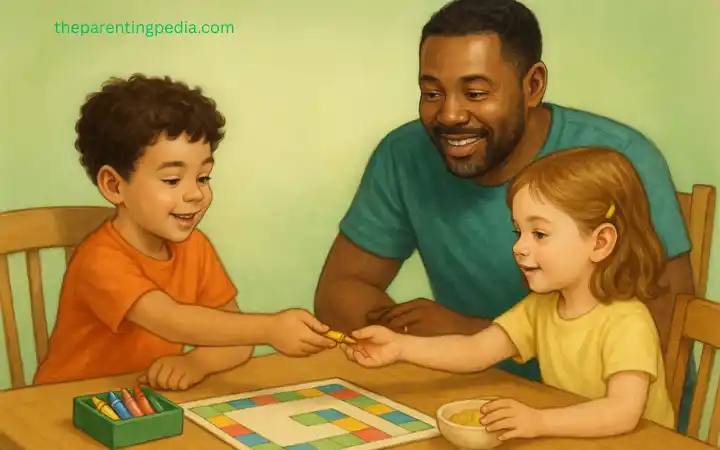
Like any skill, sharing skills improve with practice. Parents can set up opportunities during playtime where children naturally need to share or take turns. This can be done through board games, building with blocks, pretend play or art activities. For example, if a child loves building with blocks, parents can sit next to them and say, “Let’s build a tower together. I will put one block, and then it is your turn.” This simple game gives the child a fun and low pressure way to practice taking turns. Regular practice builds confidence and helps children learn that sharing can lead to more enjoyable play.
5. Use Emotion Coaching During Conflicts
Conflicts about sharing are normal. When disagreements happen, parents can use the moment to teach emotional skills along with sharing skills to children. Instead of reacting with frustration, parents can guide their child through their feelings. A helpful approach is acknowledging the child’s emotion by saying something like “You really want the truck right now.” Parents can also explain the situation to child by saying “Your friend is using it, and when they are done, it will be your turn.” They can also offer support and say “Let’s find something else to play with while we wait.” Emotion coaching helps children learn qualities like patience, empathy and self-control that strengthen their ability to share with others.
Also Read: Fun and Effective Learning Activities for Kids at Home
6. Set Clear Expectations Before Playdates
Playdates are common moments when sharing skills of children are put to the test. Before play begins, parents can gently remind their child of expectations. Clear guidance to children helps prevent conflicts later. Some useful reminders might be “Your friend is coming over. You will both share toys and take turns.” or “If there is a toy you don’t want to share, let’s put it away before they arrive.” Setting expectations ahead of time makes the environment more predictable and helps children feel prepared.
7. Teach Turn Taking With Timers
Timers are especially effective for 4 year olds because they turn sharing into something predictable and fair. Parents can use a simple kitchen timer or phone timer during play. When two children both want the same toy, parents can say things like “Let’s set a timer for five minutes. When it rings, it is the other person’s turn.” This method helps avoid arguments and teaches children that taking turns is a standard part of play. Over time, children may even ask for the timer themselves because they understand the fairness it creates.
8. Use Books and Stories to Support Learning
Stories are a gentle way to reinforce sharing skills. When children see characters learning to share, they begin to relate to the situation in a safe and enjoyable way. Parents can read books to children where characters share toys, help friends or solve disagreements. After reading, parents can ask something like “How did the character feel when they shared?” or “What happened when they took turns?” These conversations help children understand the benefits of sharing in a meaningful and memorable way.
9. Create a Sharing Routine in Daily Life
Consistency helps children remember and practice new skills. Parents can create small sharing routines at home. For example, parents can say “Let siblings take turns choosing a TV show.” or “Share crayons during art time.” When sharing becomes part of daily life, children can strengthen their sharing skills without feeling pressured.
10. Be Patient and Celebrate Progress
Developing sharing skills doesn’t happen overnight. Four year olds are still learning how to manage emotions, understand fairness and express their needs. Parents can help by staying patient and focusing on progress instead of perfection. Celebrating small victories keeps children motivated. Even waiting a few extra seconds for a turn is a sign of growth. Parents who stay calm and supportive create an environment where children feel encouraged to learn and improve.
Conclusion
Teaching sharing skills to a 4 year old is an ongoing process that requires guidance, patience and encouragement. When parents model sharing, explain expectations clearly and provide consistent opportunities for practice, children gradually develop strong social habits. These habits not only help them play peacefully with others but also support emotional growth, empathy and cooperation. With positive reinforcement and understanding, parents can help their child build sharing skills that last a lifetime.
FAQ
How do you teach a 4 year old to share?
To teach a 4 year old to share, parents should follow practices such as modeling sharing, explaining in simple words, praising the child’s efforts, creating turn-taking opportunities, using timers, reading stories and practicing patience and empathy daily.
How to teach sharing in the classroom?
To teach sharing in the classroom, teachers can model sharing, use group activities, set clear rules, encourage turn-taking, praise cooperative behavior, read stories about sharing and guide children with patience and empathy.
How can parents encourage emotional vocabulary during sharing?
Parents can encourage emotional vocabulary during sharing by consistently modeling descriptive language, validating their children’s feelings, and using interactive activities like storytelling and role-playing. This builds self-awareness and helps children express complex emotions effectively.
What is the share strategy?
The Think-Pair-Share strategy is designed to differentiate instruction by providing students time and structure for thinking on a given topic, enabling them to formulate individual ideas and share these ideas with a peer.
Kickstart your journey with this practical guide to profitable business ideas.

About the Author
Kaushiik Sampat is the founder of The Parenting Pedia and writes about parenting, child behavior, emotional development, and family well-being. Through practical guides and research-based insights, he helps parents make informed decisions that support children’s healthy growth and learning.