
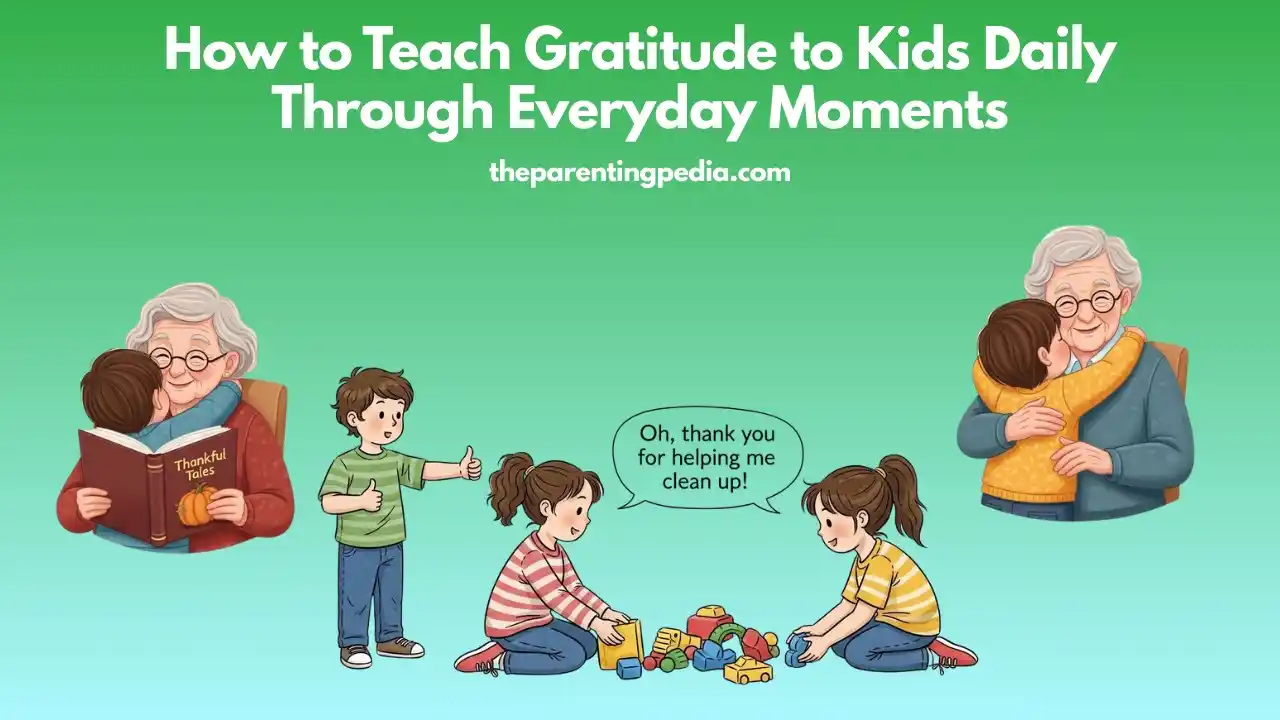
Gratitude is more than just saying “thank you.” It is a way of seeing life, a mindset that helps children feel happier, calmer and more connected to others. In a world full of distractions, teaching gratitude to kids daily has become more important than ever. Parents often wonder how they can teach gratitude naturally, without making it feel like another lesson or rule. The good news is that it can be put together into simple, everyday moments that families share together.
What Gratitude Really Means?
Before understanding how to teach gratitude to kids daily, parents need to know what gratitude truly is. Gratitude is the ability to recognize and appreciate the good things in life whether big or small. For kids, it can mean feeling thankful for a favorite toy, a friend’s kindness or even a sunny day. When parents teach gratitude consistently, children begin to focus less on what they lack and more on what they already have. Gratitude helps children develop empathy, patience and joy. Studies show that grateful kids have better relationships, higher self-esteem and even sleep better. That’s why parents should make it a goal to teach gratitude through actions, not just words.

Using Everyday Moments to Teach Gratitude
Parents don’t need a special occasion to teach gratitude. In fact, the best lessons happen in ordinary, everyday moments during breakfast, playtime, bedtime or family outings. Here are a few ways to do it naturally:
1. Start Each Day with Thankfulness
Morning routines can set the tone for the entire day. Parents can ask their kids, “What are you thankful for this morning?” It might be their breakfast, a favorite show or seeing their pet wag its tail. These small conversations teach gratitude by encouraging children to start their day with a thankful heart.
2. Model Gratitude at Home
Children learn best by watching their parents. When parents say “thank you” to their partner, neighbors or even the delivery person, they teach gratitude through behavior. When kids see their parents expressing appreciation sincerely, they imitate it naturally.
3. Make Mealtimes Thankful Times
Dinner or lunch can be the perfect time to share what everyone is grateful for. A simple family ritual like going around the table and naming one thing each person appreciates that day can teach gratitude beautifully. It helps kids reflect on the positive parts of their day.
4. Appreciate Nature Together
While taking a walk or sitting in the park, parents can point out how beautiful the sky looks or how refreshing the breeze feels. Talking about the wonders of nature helps teach gratitude to children beyond material things. Kids begin to value experiences, not just possessions.
5. Turn Chores into Opportunities
Even daily chores can help teach gratitude. For example, when kids help set the table, parents can remind them how lucky they are to have food to eat. When folding clothes, they can talk about being thankful for warm clothes and a cozy home. These reminders help children understand that ordinary things are blessings.
No more storage headaches! 📸 Turn your photos into easy shareable links — fast, free & simple ✨ https://imagelink.online
Emotional Connection Is the Heart of Gratitude
To truly teach gratitude to kids daily, parents must connect emotionally. When a child receives a gift or favor, instead of just saying, “Say thank you,” parents can ask to children, “How do you feel when someone does something kind for you?” This helps children notice the feeling behind gratitude, not just the habit of saying the words. Sharing stories also helps. Parents can tell bedtime tales about kindness, generosity and thankfulness. Through these stories, they teach gratitude in a way that touches the child’s heart and imagination.
Gratitude Through Giving
One of the most powerful ways to teach gratitude is by encouraging giving. Instead of focusing only on having, parents can ask children to share by donating old toys or clothes to someone in need and by practicing simple acts of kindness such as helping a friend, comforting someone who is sad or making a handmade card for a relative. When children experience the joy that comes from giving, they naturally begin to appreciate what they have, making this an excellent way to teach gratitude to kids daily through real life experiences.
Create a Gratitude Routine
A regular routine helps reinforce lessons in children. Here are some ideas to create a gratitude routine for them:
Gratitude Jar or Journal: Keep a jar or notebook where kids write or draw one thing they are thankful for each day. Watching the jar fill up shows them how much good surrounds them. This simple routine can teach gratitude to children in a visual and fun way.
Also Read: Understanding Symptoms Of Depression In Teenagers
Gratitude at Bedtime: Before sleeping, parents can spend a few minutes talking about three good things that happened during the day. It ends the day on a positive note and helps teach gratitude as part of daily reflection to children.
Weekly Gratitude Sharing: Every weekend, families can gather to discuss what made them feel thankful that week. This ritual not only teaches gratitude to kids but also strengthens family bonds.
Teach Gratitude Through Words and Actions
Children understand gratitude best when it is shown through both words and actions:
- When parents say “thank you” to their kids for helping out, it teaches gratitude by example to children.
- Writing small thank-you notes or drawing pictures for teachers, grandparents or friends can also help children express appreciation.
- Even sending a smile or kind word to a stranger teaches gratitude through simple gestures.
- Over time, children start to see that gratitude isn’t just polite behavior. It is a way of making others feel valued and loved.
Handling Entitlement with Gratitude
Sometimes children begin to expect too much from parents. They continuously want new toys, outings or attention. When this happens, parents can gently guide them back to gratitude. Instead of scolding, they can remind them of what they already have. For example, they can say things to children like “Remember how happy you were when you got that new book?” or “Let’s think of all the people who helped make this meal.” By shifting focus from “I want more” to “I already have so much,” parents teach gratitude even in moments of disappointment.
Teach Gratitude in School and Community
Parents can collaborate with teachers and communities to teach gratitude beyond home. Volunteering as a family, celebrating kindness days or thanking community helpers like firefighters or cleaners can help kids see how interconnected the world is. Gratitude grows when children realize how many people contribute to their happiness and safety. These experiences teach gratitude to kids daily in meaningful and lasting ways.
Technology and Gratitude
In today’s digital age, children are surrounded by instant rewards and endless content. Parents can use this as an opportunity to teach gratitude to kids. For example, before watching a show or playing a game, encourage the child to thank the people who made it possible, such as the actors, artists, or even those who created the devices that make it possible. Setting aside screen-time gratitude breaks helps teach gratitude in a modern and relatable way to kids by encouraging appreciation for time spent together rather than on gadgets.
The Long-Term Impact of Teaching Gratitude
When parents teach gratitude daily, they plant seeds of lifelong happiness. Grateful children grow into compassionate adults who notice goodness around them. They handle stress better, form stronger relationships and value life deeply. Gratitude gives children emotional strength to deal with challenges and reminds them to stay hopeful. Over time, parents will see that their consistent efforts to teach gratitude pay off in the form of confident, kind and content children.
Conclusion
Learning how to teach gratitude to kids daily through everyday moments is not about grand gestures, it is about small, consistent acts of awareness. When parents teach gratitude regularly, they help their children see that happiness doesn’t come from having more, but from appreciating what already exists. Gratitude becomes not just a lesson, but a way of living. It fills both parents and children’s lives with peace, joy and love.
FAQs
How to teach kids to practice gratitude?
Parents can teach kids to practice gratitude by modeling thankfulness, encouraging daily appreciation, sharing positive moments, keeping a gratitude jar, thanking others sincerely and turning everyday routines into thankful reflections.
How to practice gratitude on a daily basis?
Practice gratitude daily by noticing small blessings, keeping a gratitude journal, saying thank you often, appreciating people, reflecting before bed and focusing on what is good instead of what is missing.
How to express gratitude to children?
In addition, here are five ways we tried to instill, and nurture gratitude in the hearts of our kids:
1. Allow Delayed Gratification.
2. Nurture Gratitude by Encouraging Them to Think About Others.
3. Count our Blessings.
4. Write Thank-you Notes.
5. Say “Thank You” Daily.
What is the game for kids being thankful?
ABC gratitude
Go through the alphabet naming things that you’re grateful for. Repeat the words and letters as you go so by the end of the game you’ve said the entire alphabet with things that you’re grateful for. This is a great group game or can be a fun 2 person game. Whoever is around can play!
What are some simple gratitude exercises?
8 gratitude exercises to practice daily
1> Try a gratitude countdown.
2> Start a gratitude journal.
3> Write a gratitude letter.
4> Explore mindful gratitude.
5> Take a gratitude walk.
6> Practice a gratitude meditation.
7> Start a gratitude jar.
8> Express your gratitude to loved one.
Get inspired by simple yet powerful business opportunities you can explore now.

About the Author
Kaushiik Sampat is the founder of The Parenting Pedia and writes about parenting, child behavior, emotional development, and family well-being. Through practical guides and research-based insights, he helps parents make informed decisions that support children’s healthy growth and learning.