
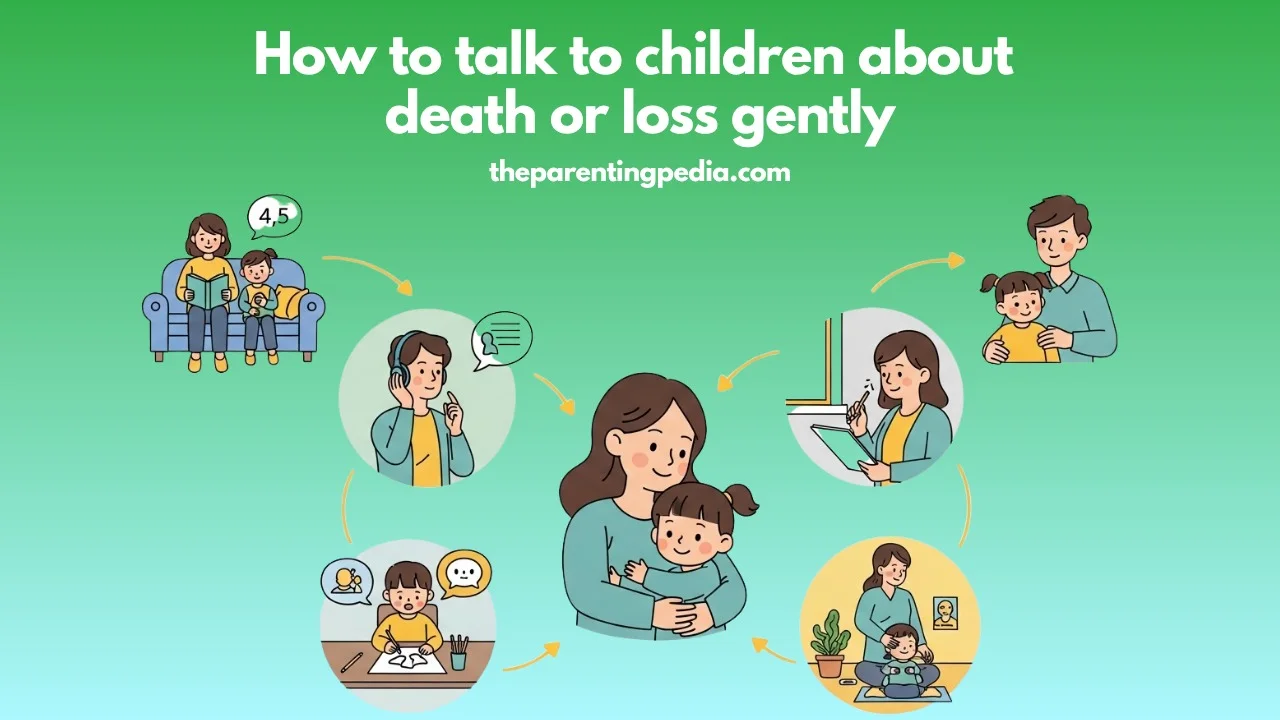
When Words Feel Too Heavy
Learning how to talk to children about death is one of the most difficult conversations for parents. Doing it in a gentle and age-appropriate way is also one of the most important responsibilities we carry.
When words feel too heavy, there are some conversations in the parenting journey we wish we could avoid forever. One of the hardest is understanding how to talk to children about death in a way that feels gentle, honest, and safe. It’s not just about explaining what happened — it’s about holding your child’s heart while they try to understand something even adults struggle with.

You may also find this helpful: How to Build Emotional Intelligence in Children
Why Talking to Children About Death Is Important
Learning how to talk to children about death or loss helps parents handle difficult emotions with care.
Talking about death may feel uncomfortable, but avoiding it can create more confusion and fear in children. Honest and gentle conversations help children feel safe, supported, and understood during difficult moments.
How to Talk to Children About Death in a Gentle Way
When explaining death to a child, it’s important to use simple, clear, and honest words. Avoid confusing phrases and focus on giving reassurance. Children need to feel safe asking questions and expressing their emotions without fear.
- Use simple and honest language
- Avoid confusing phrases like “gone to sleep”
- Encourage your child to ask questions
- Listen patiently without interrupting
- Reassure them that they are safe and loved
How to Talk to Children About Death or Loss Without Causing Fear
You may wonder:
Am I saying the right thing?
Will they get scared?
What if the conversion goes worse?
Take a deep breath…
Talking to children about death or loss is never easy, but your calm presence can make them feel safe and supported.
What Children Really Need When Talking About Death or Loss
Children don’t need perfect explanations. They need honesty, warmth, and the feeling that they are not alone.
This difficult moment can actually become a powerful opportunity — to build trust, emotional strength, and a lifelong sense of safety in your child.
You may also find it helpful to read our guide on how to build emotional intelligence in children
Why This Conversation Is Important for Children
Understanding how to talk to children about death is important because. Even if we try to protect them by staying silent, they notice changes — in emotions, routines, and energy.
When we avoid talking about death:
- Children may imagine something worse
- They may feel confused or left out
- They might think it’s something they shouldn’t talk about
You can also read our guide on building emotional intelligence in children to support them better during difficult moments.
But when we gently talk to children about death, we give them something very powerful — understanding.
Open conversations help children:
- Feel safe and included
- Learn that emotions are normal
- Express sadness without fear
- Build emotional resilience
Experts also recommend honest communication during difficult times, as explained in helping children cope with difficult events
The goal is not to remove their pain — but to support them through it.
Understanding How Children Perceive Death at Different Ages
Every child understands death differently depending on their age and development.
Ages 3–5: Confusion and Imagination
At this stage, children often see death as temporary.
They may ask:
- “When will they come back?”
- “Can we call them?”
They may also believe their thoughts or actions caused the death.
👉 What they need:
Very simple and clear explanations.
Example:
“Their body stopped working, so they cannot come back.”

Ages 6–9: Growing Awareness
Children begin to understand that death is permanent, but they may still feel fear.
They might worry:
- “Will you die too?”
- “Will I die?”
👉 What they need:
Reassurance and honest answers.
Example:
“Most people live for a very long time. I’m here with you.”
Ages 10 and Above: Emotional Depth
Older children understand death more realistically.
They may:
- Feel deep sadness
- Ask complex questions
- Hide their emotions
👉 What they need:
Open conversations and emotional support.
📸➡️ “One click, one link — make your images shareable with Imagelink.online”
When and How to Start the Conversation
There is no perfect moment — but honesty should not be delayed.
When to talk:
- As soon as you know about the loss
- When your child asks questions
- When they notice something is wrong
How to start:
Choose a calm, quiet space. Sit close to your child.
Speak gently and clearly:
“I have something very sad to tell you. Someone we love has died.”
Pause.
Let your child react. Silence is okay.
Avoid giving too many details at once. Let the conversation grow naturally.
What to Say (With Gentle Example Phrases)
Many parents feel stuck here. The key is to keep it simple, honest, and kind.
Be Clear and Direct
✔️ Say:
- “He died. That means his body stopped working.”
- “She cannot come back, but we can remember her.”
❌ Avoid:
- “They went to sleep”
- “They went on a trip”
Offer Reassurance
Children need to feel safe.
✔️ Say:
- “I’m here with you.”
- “You are safe.”
Allow Questions
Children may repeat the same question many times.
✔️ Respond:
- “That’s okay to ask.”
- “I will answer you.”
Share Your Feelings
✔️ Say:
- “I feel sad too. It’s okay to feel this way.”
This teaches emotional expression.
What NOT to Say (Common Mistakes Parents Make)
Even loving parents can unintentionally confuse children.
❌ Avoid Unrealistic Explanations
- “They are watching you all the time”
- “It was meant to happen”
These may create fear.
❌ Don’t Hide the Truth
Children need honesty, not protection through lies.
❌ Don’t Dismiss Emotions
Avoid:
- “Stop crying”
- “Be brave”
Instead say:
- “It’s okay to cry.”
❌ Don’t Rush Healing
Grief takes time. There is no fixed timeline.How to Handle Children’s Reactions and Questions
Every child reacts in their own way.
Some may cry.
Some may stay silent.
Some may continue playing.
All of this is normal.
Get inspired by simple yet powerful business opportunities you can explore now.
Accept Their Way of Grieving
Children process emotions in small steps.
One moment they may be sad.
Next moment they may laugh.
This doesn’t mean they don’t care.
Answer Honestly
If you don’t know something:
“I’m not sure, but we can think about it together.”
Watch for Changes
Look for:
- Trouble sleeping
- Mood changes
- Clinginess
Supporting children with routine and emotional safety is important, as explained in helping children deal with grief and loss
Supporting a Grieving Child Over Time
Grief is not just one conversation. It continues quietly over time.
Keep Talking
Let your child know:
“You can talk to me anytime.”
Maintain Routine
Daily routines help children feel secure.
Encourage Expression
Let them express feelings through:
- Drawing
- Talking
- Writing
Create Loving Memories
- Look at photos
- Share happy stories
- Remember special moments
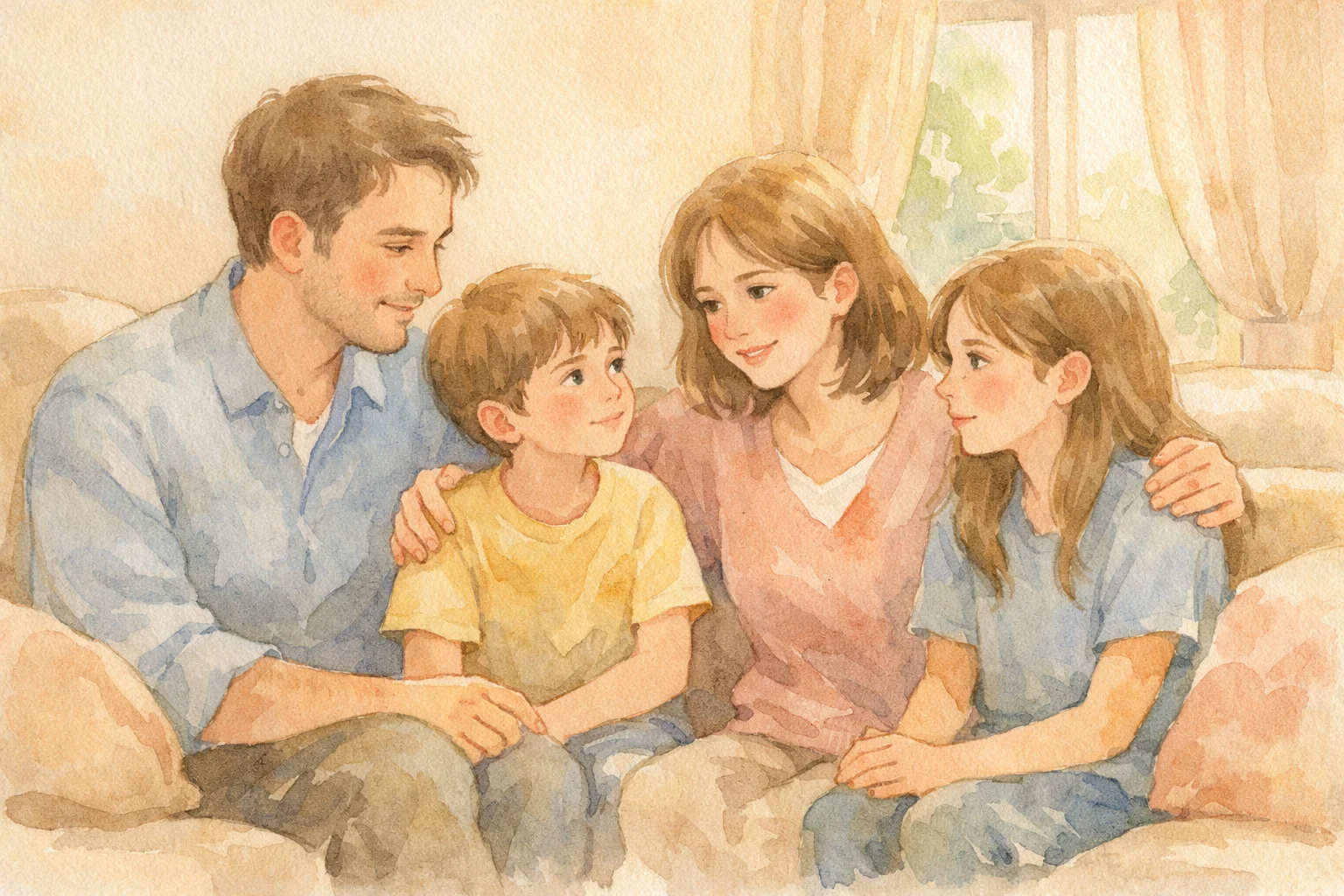
A Small Story: Love That Stays
Aarav was 7 when his grandmother passed away. He didn’t cry at first. He just kept asking, “Where is Dadi?”
His father sat beside him and said gently,
“Dadi’s body stopped working, so she can’t be with us anymore. But all the love she gave you is still with you.”
Aarav thought for a moment and said,
“Can I still tell her about my day?”
His father smiled,
“Yes, you can. In your heart.”
That night, Aarav whispered, “Goodnight Dadi.”
Days passed. Sometimes he smiled, sometimes he felt sad. But he never felt alone.
Because someone had taken the time to talk to him about death in a way that felt safe and loving.
Helping Children Find Meaning After Loss
Over time, children begin to make sense of loss.
You can gently help by:
- Talking about values (love, kindness)
- Showing how memories stay alive
- Teaching that feelings come and go
This helps children grow stronger emotionally.
Conclusion: Your Presence Matters More Than Words
You may never feel fully ready for this conversation.
And that’s okay.
Because what your child truly needs is not perfect words — but your presence, your patience, and your love.
When you talk to children about death gently:
- You build trust
- You teach emotional strength
- You show them they are not alone
If your child is struggling emotionally, you can also read how to help a child with low confidence
Even in loss, love continues.
And that is what your child will remember.
FAQs
1. What is the best way to talk to children about death?
Use simple, honest language and allow them to ask questions freely.
2. Should I hide my emotions from my child?
No. Showing your feelings helps children understand emotions are normal.
3. What if my child asks difficult questions?
Answer honestly. If unsure, say you don’t know.
4. How can I help my child cope with grief?
Provide comfort, routine, and open communication.
5. Is it normal for children to act differently after loss?
Yes. Changes in behavior are a natural part of grief.
Helping Children Cope With Loss Over Time
Grief does not end after a few days or weeks. Children may continue to process loss over months or even years, depending on their age and emotional development. As a parent or caregiver, your role is to offer ongoing support, patience, and reassurance.
Children may revisit their feelings as they grow and understand death differently at each stage of life. What they accept today might raise new questions later. This is completely normal.
To support children over time, you can:
- Keep communication open and encourage them to share their feelings regularly
- Maintain daily routines to provide a sense of stability and security
- Remember special days like birthdays or anniversaries of the loved one
- Offer comfort through physical affection, storytelling, or shared memories
- Be patient with emotional ups and downs, including sudden sadness or anger
If a child shows signs of prolonged distress, such as withdrawal, sleep problems, or changes in behavior, consider seeking support from a counselor or child psychologist.
Helping children cope with loss is not about removing their pain — it’s about walking beside them with love, honesty, and understanding over time.

About the Author
Kaushiik Sampat is the founder of The Parenting Pedia and writes about parenting, child behavior, emotional development, and family well-being. Through practical guides and research-based insights, he helps parents make informed decisions that support children’s healthy growth and learning.