
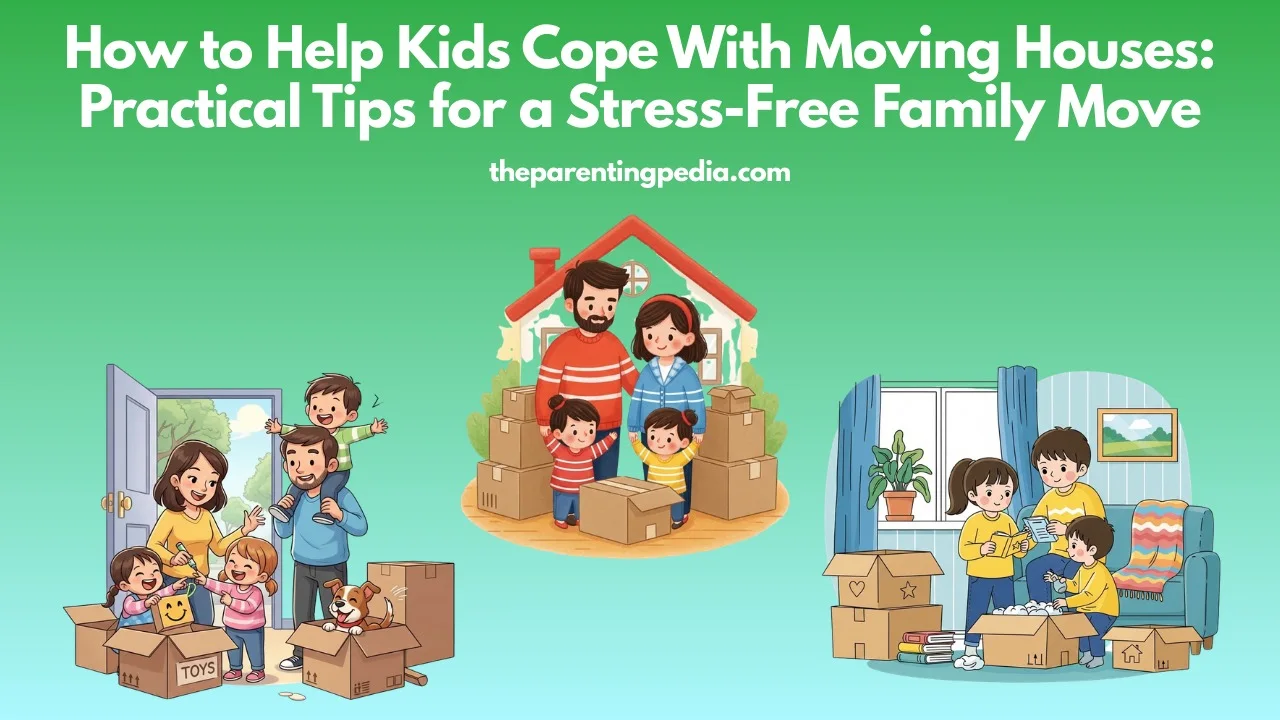
Moving to a new home is a major life change for any family. However, it can feel overwhelming for children. They may leave behind familiar routines, close friends and places that made them feel safe. Parents often juggle packing, planning and paperwork, but one of the most important tasks is helping kids manage the emotional side of moving houses. With patience and thoughtful preparation, families can make this transition a lot easier.
Understanding Why Moving Feels Hard for Kids
Children thrive on routine and predictability. When parents decide on moving houses, kids may feel their world is suddenly shifting. Younger children may worry about losing their toys or bedroom, while older children may fear losing friendships or starting over at a new school. These feelings are normal. Recognizing them is the first step in helping kids cope.
Parents can reassure children that it is okay to feel upset or confused. Encouraging questions and being honest about what will change and what will stay the same can provide comfort to children. Here are some ways to help children adjust smoothly when moving to a new home:

Talk About the Move Early and Often With Children
Communication plays a key role in helping children adjust to a move. When parents explain the reasons for moving in simple, clear language and share information early, children are more likely to feel included, secure and prepared rather than surprised or rushed. Letting kids know about the move as soon as plans are confirmed, giving them space to express their emotions and ask questions, and pointing out positive aspects of the new home or neighborhood like nearby parks, a bigger bedroom or being closer to relatives can help make the transition smoother.
Help Kids Feel Involved in the Process
Feeling involved gives children a sense of control, which reduces stress. Even small choices can make a big impact. While moving houses, parents can invite kids to help with age-appropriate tasks such as packing toys, choosing paint colors for their new room or helping organize boxes. For older children, parents might let them participate in researching local schools or exploring the new area online. Simple involvement helps kids see the move as something happening with them, not to them.
Visit the New Area if Possible
If distance allows, visiting the new neighborhood before moving houses can offer reassurance. Walking around the new block, seeing the nearby playground or spotting familiar shops can help kids feel more comfortable. The new environment becomes less mysterious and easier to imagine as home. When a visit is not possible, parents can show photos, maps or virtual tours to help kids visualize the area. Even small details, like seeing where they will sleep or where the family pet’s bed will go, can ease anxiety.
Keep Routines Steady
Children rely on routines for stability, and during a move everything can feel chaotic for them, from meal schedules to bedtime habits. So parents should try to keep daily routines as consistent as possible throughout the process. Keeping mealtimes regular, maintaining bedtime rituals and preserving family traditions such as weekend movie night can help children feel grounded even as their surroundings change, providing a steady reassurance that reminds them some things remain the same.
Also Read: Fun and Effective Learning Activities for Kids at Home
Pack Comfort Items Last and Unpack Them First
Kids often form strong attachments to certain toys, blankets or books. During moving houses, these comfort items can help reduce stress. Packing them last ensures kids have them nearby until the final moments, and unpacking them first in the new home offers immediate emotional support. Parents can also set up children’s rooms early. Creating a familiar space quickly helps kids settle in more easily, especially during the first nights.
Acknowledge Feelings and Validate Emotions
Kids may experience sadness, worry, excitement or even anger. These emotions may come and go throughout moving houses. Parents can help by listening without judgment and acknowledging that the feelings are real and understandable. Instead of saying, “Don’t worry” to children, it can be more comforting to say “I understand this is hard. I am here with you.” Validation strengthens trust and helps kids feel supported.
Maintain Connections With Old Friends
Leaving friends behind can be one of the hardest parts of moving houses. Parents can encourage kids to stay connected through video calls, texts, letters, or planned visits when possible. Keeping old friendships alive helps kids feel less alone during the transition. At the same time, parents can encourage new friendships by signing kids up for activities, sports or community events in the new area. Meeting new people helps children settle socially.
Create New Traditions in the New Home
Starting fresh does not mean losing everything from the past. Parents can help by creating new family traditions after moving houses. This might include a special dinner at night, weekly walks around the new neighborhood, or fun games like a scavenger hunt to explore the new home. New traditions give kids positive memories tied to their new environment.
Give Kids Time to Adjust
Adjustment does not happen overnight. Some kids adapt quickly while others may take weeks or even months to feel settled after moving houses. Parents should watch for signs of stress in children such as trouble sleeping, withdrawal or changes in behavior. Patience is essential. With steady support, reassurance and open communication, kids will eventually feel at home again.

Conclusion
Moving to a new home is a major transition, but with thoughtful planning and emotional support, parents can help their children face the change with confidence. From honest conversations to maintaining routines and celebrating small wins, each step contributes to a smoother and more positive experience. By balancing the practical side of the move with their children’s emotional well-being, families can transform moving houses into an experience that encourages growth and new beginnings.
FAQ
How to help children cope while moving houses?
Helping children cope while moving houses starts with honest and gentle communication. Parents should explain the move early, answer questions and reassure children about what will stay the same. Involving kids in packing or choosing their new room helps them feel included. Keeping routines steady and bringing familiar items offers comfort to children. Visiting the new area and staying connected with old friends also makes the transition smoother and less stressful.
How can moving a house affect a child’s behaviour?
Moving house can affect a child’s behaviour in several ways. Children may become clingy, anxious or irritable as they adjust to new surroundings. Sleep patterns might change and some children may return to former behaviours like bed-wetting or tantrums. Older kids may withdraw, show frustration or struggle with schoolwork due to stress. These reactions are normal and usually temporary. With steady reassurance, consistent routines and emotional support, most children slowly adjust and regain their sense of stability.
What is the best way to transfer property from parent to child?
A transfer of property can occur by purchase or gift; it can also occur through a trust. For example, if a parent’s property is put into a trust where upon the death of the parent, the children are the beneficiaries of the trust, a transfer occurs as of the date of death.
Discover 20 proven online business ideas that anyone can start today.

About the Author
Kaushiik Sampat is the founder of The Parenting Pedia and writes about parenting, child behavior, emotional development, and family well-being. Through practical guides and research-based insights, he helps parents make informed decisions that support children’s healthy growth and learning.