Parenting becomes stressful when a child who doesn’t listen and ignores instructions repeatedly. Parents often ask children to clean their room, put socks and shoes at it place, finish homework, or switch off the TV, but the child may continue doing something else. Repeating the same instructions again and again can leave parents feeling frustrated and emotionally exhausted. In this article we will understand how to handle a child who doesn’t listen
The truth is that most children are not intentionally trying to upset their parents. Listening problems are usually connected to emotions, routines, communication habits, distractions, or age-related behavior. Children are still learning emotional regulation, focus, and self-control.
The American Academy of Pediatrics explains how child development affects behavior and self-regulation.
The good news is that calm parenting, emotional connection, and consistency can improve listening behavior over time. This guide explains why children stop listening and how parents can encourage better cooperation without constant yelling or punishment.
Why Children Stop Listening to Parents
Before correcting behavior, parents should understand what may be causing the problem.
Their Brain Is Still Developing
Young children are still learning:
- Self-control
- Emotional regulation
- Focus
- Decision-making
If a child is deeply focused on a game, cartoon, or activity, switching attention immediately can feel difficult for them.
Repeating Instructions Too Often
Many parents repeat instructions several times before taking action. Over time, children may learn that they do not need to respond immediately.
What Children Learn From Repetition
| Parent Behavior | What the Child Learns |
|---|---|
| Repeating instructions many times | “I can wait before listening.” |
| Empty warnings | “Nothing happens immediately.” |
| Yelling later | “I only need to respond when parent gets angry.” |
Without realizing it, parents sometimes train children to delay responding.
Emotional Stress Can Affect Listening
Stress, anxiety, low confidence, or emotional pressure can affect how children respond to parents. Some children may react by:
- Ignoring instructions
- Becoming irritated
- Shutting down emotionally
- Showing mood swings
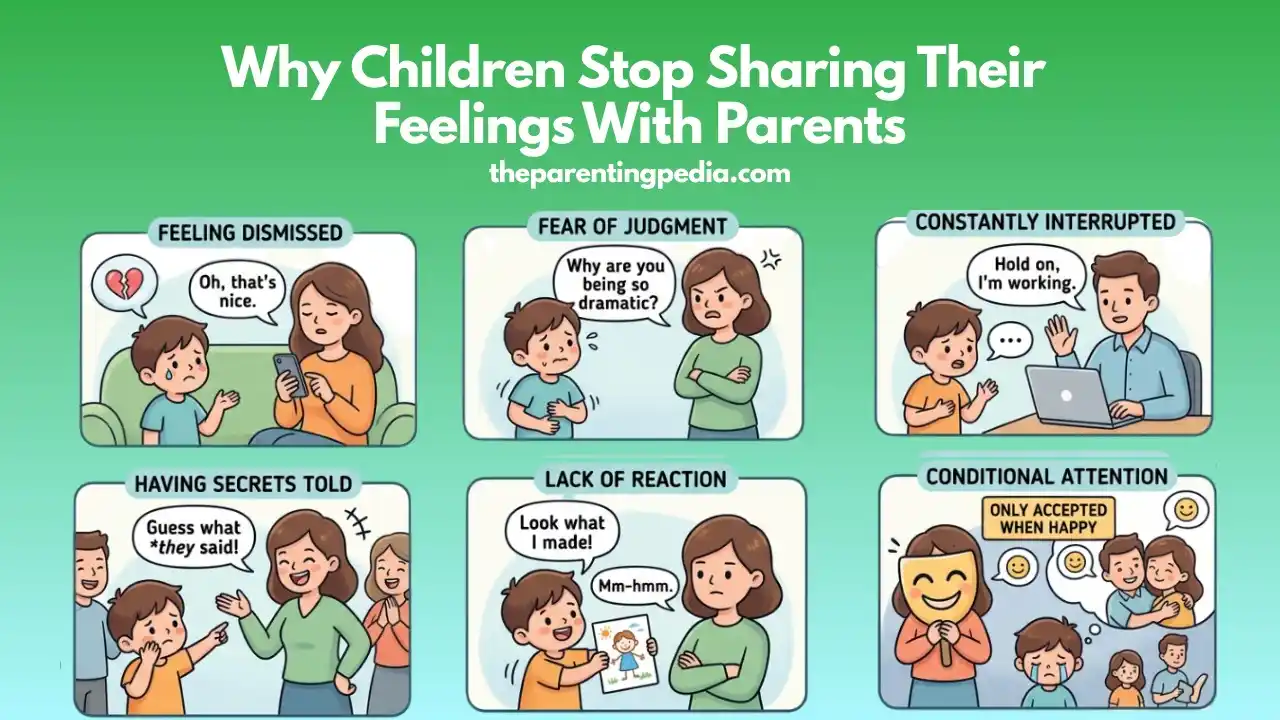
Parents who notice emotional withdrawal may benefit from understanding signs your child is emotionally struggling.
Parenting Habits That May Make Listening Worse
Sometimes parents unintentionally increase resistance through communication habits.
Giving Instructions From Another Room
Shouting instructions across the house usually does not work because children are often distracted by:
- TV
- Games
- Toys
- Mobile devices
Better Communication Method
Instead:
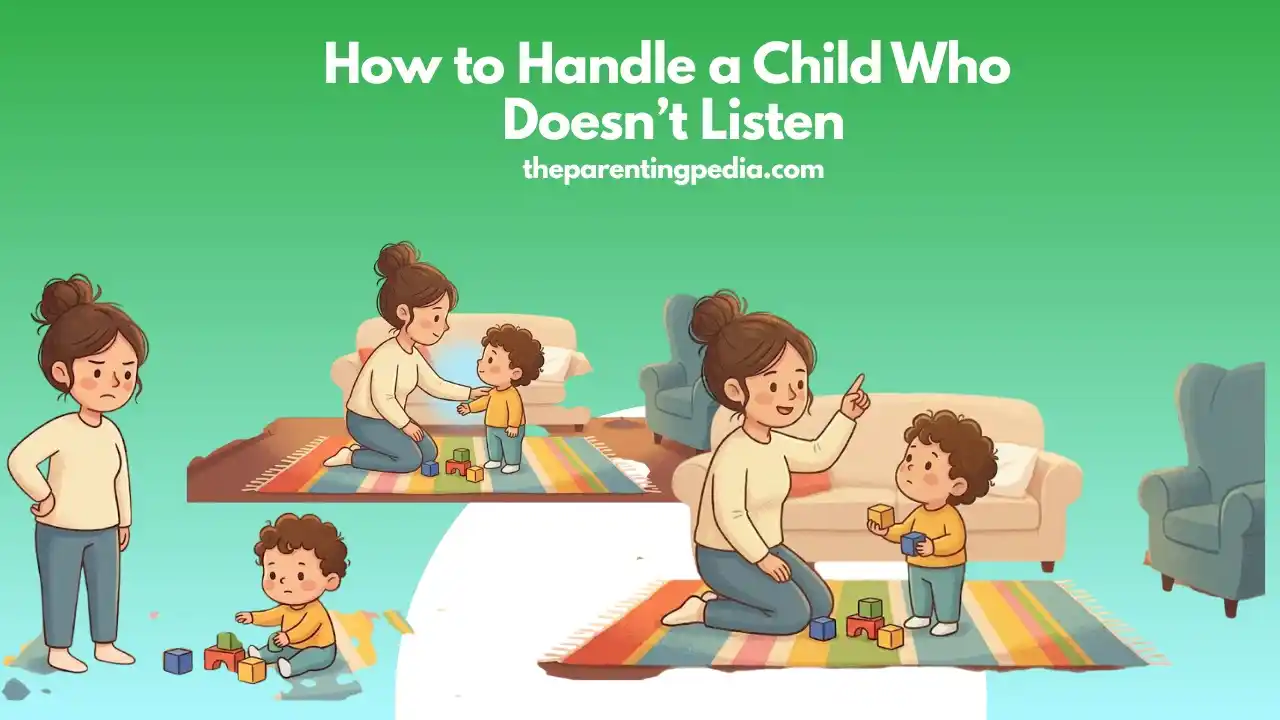
- Walk close to your child
- Say their name calmly
- Make eye contact
- Wait for attention
- Give one clear instruction
This simple change improves cooperation quickly.

Too Many Warnings
Constant warnings lose their value when consequences never happen.
Less Effective vs Better Parenting Response
| Less Effective | Better Response |
|---|---|
| “Last warning!” | Calmly explain consequence |
| Repeating threats | Follow through consistently |
| Yelling emotionally | Stay calm and predictable |
Children respond better to calm consistency than emotional reactions.
how to handle a child who doesn’t listen without yelling Too Much
Yelling may stop behavior temporarily, but frequent yelling can create emotional distance. Children who experience constant yelling may:
- Feel anxious
- Stop responding calmly
- Become emotionally distant
- Copy aggressive behavior
Calm parenting creates healthier communication habits.
Children experiencing emotional stress may show changes in communication, focus, and listening behavior.
What Actually Works With a Child Who Doesn’t Listen
Build Connection Before Correction
Children cooperate better when they feel emotionally connected to their parents.
Simple Ways to Build Connection
- Spend quality time together
- Listen without interrupting
- Play together daily
- Laugh together
- Show interest in their hobbies
Strong emotional connection naturally improves listening behavior.
Building emotional intelligence in children can strengthen communication and improve cooperation.
2. Use Clear and Simple Instruction
Long lectures often confuse children. Short instructions work better.
Better Communication Examples
| Less Effective | More Effective |
|---|---|
| “You never listen.” | “Please clean your desk.” |
| “Why are you still not ready?” | “Please wear your shoes now.” |
| “How many times do I need to say it?” | “Come here please.” |
3. Offer Choices Within Boundaries
Children enjoy independence. Limited choices reduce power struggles.
Examples
- “Homework before dinner or after dinner?”
- “Blue shirt or green shirt?”
- “Bath first or story first?”
Parents still maintain the boundary while children feel included.
4. Follow Through Consistently
Children learn responsibility through predictable consequences.
Examples of Consistent Parenting
| Situation | Consistent Response |
|---|---|
| Tablet not turned off | Screen time ends calmly |
| Toys not cleaned up | Toys temporarily removed |
| Homework ignored | Less leisure time |
Consistency works better than anger.

A Real-Life Parenting Example
Sarah, the mother of an 8-year-old boy, struggled every morning because her son ignored instructions about getting dressed, packing his school bag, and turning off cartoons.
She constantly repeated instructions and usually ended up yelling.
After learning healthier parenting strategies, Sarah:
- Used calm eye contact
- Gave one instruction at a time
- Stopped shouting from another room
- Followed through consistently
- Praised cooperation immediately
The first week was challenging because her son tested the new routine. However, within two weeks, mornings became calmer and less stressful. The biggest improvement came from consistency, not punishment.
Daily Habits That Improve Listening Skills
Small daily habits can improve listening behavior over time.
Helpful Parenting Habits
| Daily Habit | Why It Helps |
|---|---|
| Calm communication | Reduces stress |
| Predictable routines | Creates emotional security |
| Eye contact | Improves focus |
| Positive praise | Encourages cooperation |
| Quality family time | Strengthens connection |
Creating healthy routines and reducing excessive screen exposure can also improve focus and listening skills.
When Parents Should Seek Professional Help
Sometimes listening difficulties may be connected to emotional or developmental challenges.
Parents should consider professional support if their child:
- Struggles in every environment
- Has severe focus problems
- Shows major emotional outbursts
- Experiences impulsive behavior regularly
- Falls behind socially or academically
The American Psychological Association recommends early support when behavioral concerns begin affecting daily life.
Frequently Asked Questions (FAQs)
Why does my child listen at school but not at home?
Children usually feel emotionally safer at home and may express frustration more freely there. Schools also have structured routines.
Is it normal for toddlers not to listen?
Yes. Toddlers naturally struggle with focus, impulse control, and emotional regulation because their brains are still developing.
How long does it take to improve listening behavior?
Many parents notice small improvements within two to three weeks when they remain calm and consistent.
Should I punish my child for not listening?
Calm consequences and consistency work better than harsh punishment or yelling.
Can screen time affect listening skills?
Yes. Excessive screen time may reduce attention span and make transitions harder for children.
Conclusion
Handling a child who doesn’t listen can feel emotionally draining, especially for stressed parents. However, most children are not trying to behave badly on purpose. Listening problems are often linked to emotions, routines, distractions, or developmental stages.Learning how to handle a child who doesn’t listen takes patience, emotional connection, and consistent parenting habits.
Parents should also understand the effects of overprotective parenting on a child’s independence and decision-making skills.
The goal is not perfect parenting. The goal is calm, consistent, and emotionally connected parenting.
Small changes can create big improvements:
- Speak calmly
- Give clear instructions
- Stop repeating constantly
- Build stronger emotional connection
- Follow through consistently
With patience and supportive parenting, children gradually develop better communication, responsibility, and listening skills.

About the Author
Kaushiik Sampat is the founder of The Parenting Pedia and writes about parenting, child behavior, emotional development, and family well-being. Through practical guides and research-based insights, he helps parents make informed decisions that support children’s healthy growth and learning.