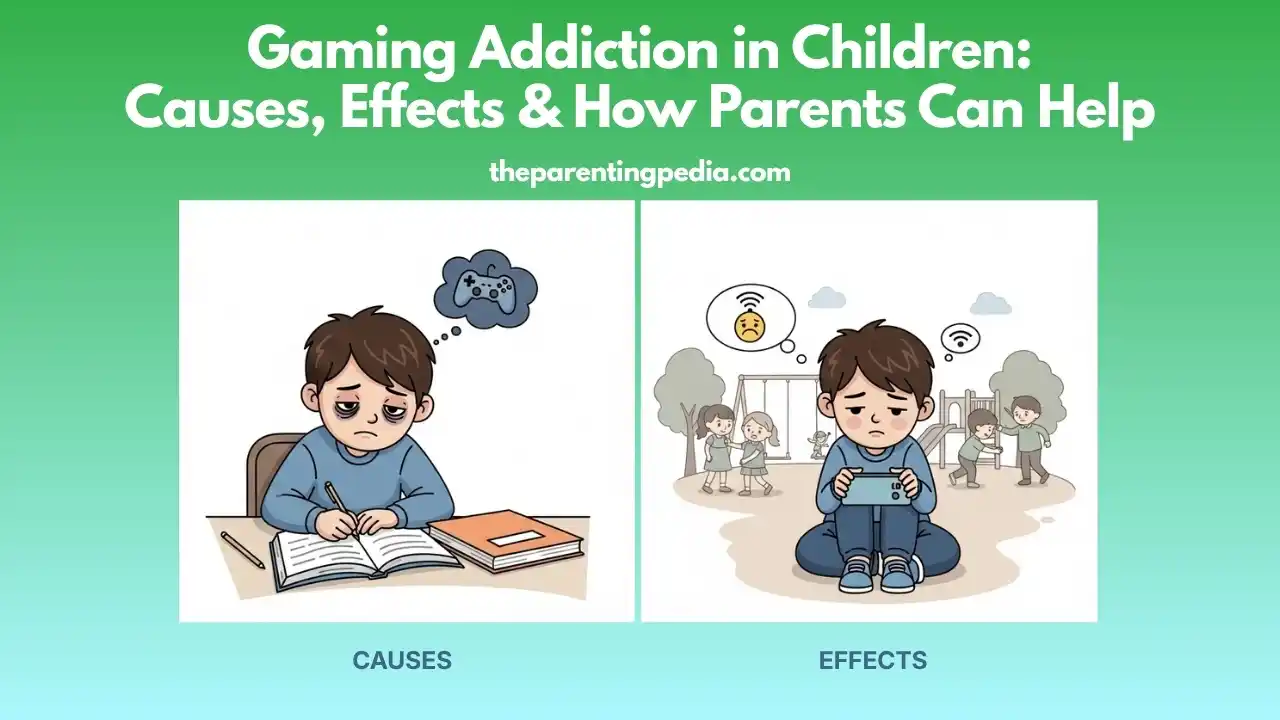
Gaming has become one of the most popular forms of entertainment for children and teenagers today. From mobile games and tablets to gaming consoles and online multiplayer platforms, kids are surrounded by digital entertainment almost everywhere. While gaming in moderation can improve creativity, problem-solving skills, and hand-eye coordination, excessive gaming can gradually turn into an unhealthy habit that affects a child’s physical health, emotional well-being, academic performance, and social life.
Many parents now worry about how much time their children spend on games. Some children become so involved in gaming that they begin ignoring studies, physical activities, social interaction, sleep, and even family conversations. This growing concern has led experts and parents to talk more openly about gaming addiction in children and how it affects their overall development.
This article explains the causes, warning signs, effects, and practical solutions for gaming addiction in children so parents can create healthier digital habits at home.
What Is Gaming Addiction?
Gaming addiction refers to excessive or uncontrollable gaming behavior that starts affecting a child’s daily life, emotional health, education, and relationships. A child may become emotionally dependent on gaming and feel irritated, angry, or anxious when unable to play.
Not every child who enjoys games is addicted. The problem begins when gaming takes priority over important activities like studying, sleeping, exercising, eating properly, or spending time with family and friends.
Children addicted to gaming may constantly think about games, spend several hours playing daily, or lose interest in hobbies they once enjoyed.
Common Causes of Gaming Addiction in Children
Children who spend too much time on screens may also develop unhealthy digital habits and emotional dependence on devices. Read more about the effects of excessive screen time on children.
1. Easy Access to Devices
Smartphones, tablets, gaming consoles, and laptops make gaming available anytime and anywhere. Many children receive personal devices at a young age, increasing screen exposure.
2. Stress Relief and Escapism
Some children use gaming as a way to escape academic pressure, loneliness, boredom, or emotional stress. Games may temporarily make them feel relaxed or successful.
3. Reward-Based Game Design
Modern games are designed to keep players engaged through rewards, achievements, points, levels, and social interaction. These features encourage children to continue playing for longer periods.
4. Peer Pressure and Online Friends
Children often feel pressure to stay active in online games because their friends are playing. Multiplayer games create a sense of belonging that can become difficult to leave.
5. Lack of Parental Monitoring
When screen time rules are unclear or inconsistent, children may slowly develop unhealthy gaming habits without realizing the impact.
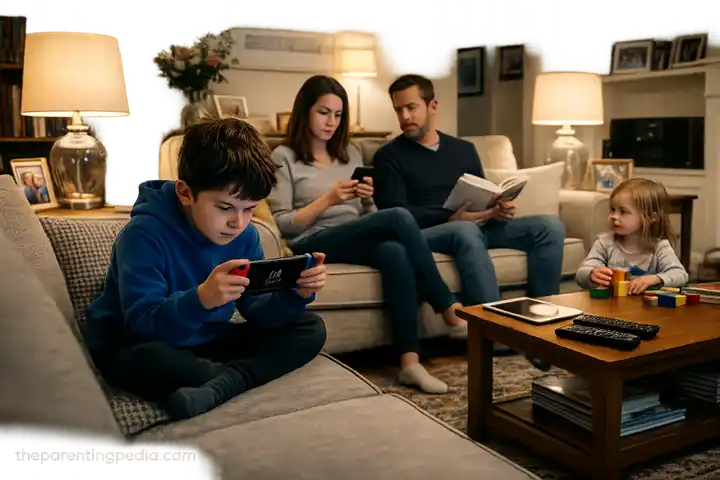
Image Placement (720×480 px) – Place Here
Suggested image: Child intensely focused on a gaming screen while ignoring surroundings.
Warning Signs of Gaming Addiction
Parents should observe behavioral and emotional changes that may indicate unhealthy gaming patterns.
Emotional Signs
- Irritability when gaming time ends
- Anger or frustration during interruptions
- Mood swings after losing games
- Anxiety when away from devices
Behavioral Signs
- Playing games for many hours daily
- Ignoring homework or household responsibilities
- Reduced interest in outdoor activities
- Avoiding social interaction with family
- Secretive behavior about screen time
Physical Signs
- Poor sleep quality
- Eye strain and headaches
- Reduced physical activity
- Tiredness during the day
- Poor posture or body pain
Early identification is important because gaming addiction can become more difficult to manage if ignored for a long time.
Experts recommend balanced screen use and healthy lifestyle habits for children.
Effects of Gaming Addiction on Children
1. Academic Problems
Excessive gaming often reduces concentration and study time. Children may lose focus during classes, delay homework, or show declining academic performance.
2. Sleep Disturbances
Late-night gaming can affect sleep cycles. Blue light exposure from screens may reduce sleep quality and increase fatigue.
3. Social Isolation
Some children begin replacing real-life relationships with online gaming interactions. This can reduce emotional bonding with family and friends.
4. Physical Health Concerns
Long gaming sessions may contribute to inactivity, unhealthy eating habits, obesity risk, and posture-related problems.
5. Emotional and Mental Health Issues
Gaming addiction can increase stress, anger, emotional dependency, and frustration, especially when children struggle to disconnect from games.
How Parents Can Help Children Overcome Gaming Addiction
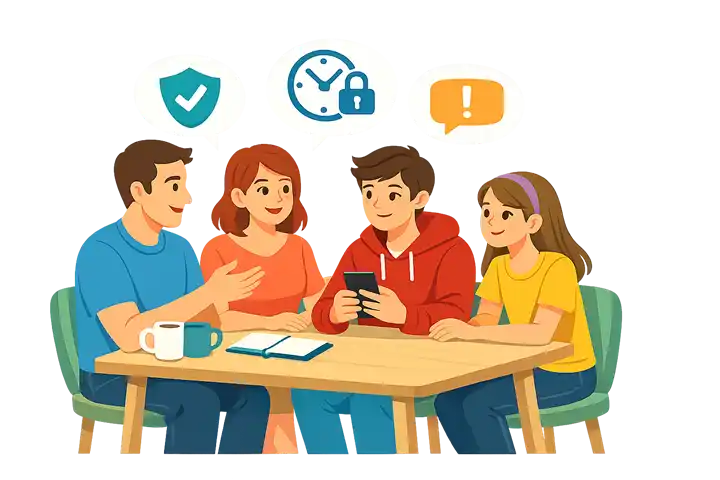
Creating healthy offline activities and family bonding time can reduce a child’s dependence on digital entertainment. You can also explore these fun indoor activities for children without screens.
Set Clear Screen Time Rules
Children need consistent and realistic limits. Parents can create fixed schedules for gaming, homework, outdoor play, meals, and bedtime.
Avoid sudden extreme restrictions because they may increase resistance. Gradual changes often work better.
Encourage Outdoor and Creative Activities
Sports, drawing, reading, music, puzzles, and family activities help children reduce dependency on digital entertainment.
Create Device-Free Zones
Avoid gaming during meals, before bedtime, or in bedrooms. Device-free spaces encourage healthier routines and better communication.
Spend More Quality Time Together
Children often respond positively when parents become actively involved in their daily lives. Family conversations, walks, games, and shared hobbies can reduce excessive gaming interest.
Monitor Game Content
Parents should know what games their children play, how long they play, and who they interact with online.
Be a Positive Role Model
Children learn from observing adults. Parents who maintain balanced screen habits encourage children to do the same.
Healthy Gaming Habits for Children
Gaming does not always have to be harmful. With proper balance and supervision, children can enjoy games responsibly.
Parents can encourage healthy habits such as:
- Limiting daily gaming hours
- Taking regular screen breaks
- Maintaining proper sleep schedules
- Prioritizing homework and physical activity
- Choosing age-appropriate games
- Avoiding violent or highly addictive content
- Encouraging social interaction offline
Teaching children self-control and digital responsibility from an early age helps them build healthier relationships with technology.

When Should Parents Seek Professional Help?
Professional support may be necessary if gaming addiction severely affects a child’s emotional well-being, school performance, relationships, or daily functioning.
Parents should consider consulting a child psychologist or counselor if:
- The child becomes aggressive when gaming is restricted
- Academic performance drops significantly
- Sleep problems continue for long periods
- The child isolates from family and friends
- Emotional distress becomes frequent
Early support can help children regain balance and develop healthier coping mechanisms.
Parents can learn more about child mental health and behavioral guidance from trusted health organizations.
Conclusion
Gaming has become a major part of modern childhood, but excessive gaming can negatively affect children’s emotional, physical, social, and academic development. The goal is not to completely eliminate gaming but to create healthy boundaries and balanced digital habits.
Parents play an important role in guiding children toward responsible screen use through communication, structure, supervision, and emotional support. By recognizing warning signs early and encouraging healthier routines, families can prevent gaming from becoming a harmful addiction.
Balanced technology use, family involvement, outdoor activities, and positive parenting strategies can help children enjoy gaming safely while still focusing on learning, relationships, and overall well-being.
FAQs
Q1. How many hours of gaming are safe for children?
The ideal gaming time depends on a child’s age, routine, and responsibilities. Most experts recommend maintaining balanced screen habits and ensuring gaming does not interfere with sleep, studies, or physical activity.
Q2. Can gaming addiction affect a child’s mental health?
Yes, excessive gaming may contribute to stress, irritability, emotional dependency, sleep problems, and social withdrawal if not managed properly.
Q3. What are the early signs of gaming addiction in children?
Early signs may include spending excessive time gaming, avoiding studies or outdoor activities, irritability when not allowed to play, sleep problems, and loss of interest in hobbies or social interaction.
Q4. How many hours of gaming are safe for children?
The safe amount of gaming time depends on the child’s age, but experts generally recommend balanced screen time with enough sleep, physical activity, study time, and family interaction.
Q5. Can gaming addiction affect a child’s mental health?
Yes. Excessive gaming can increase stress, anxiety, anger, social isolation, poor concentration, and emotional dependency on games if not managed properly.

About the Author
Kaushiik Sampat is the founder of The Parenting Pedia and writes about parenting, child behavior, emotional development, and family well-being. Through practical guides and research-based insights, he helps parents make informed decisions that support children’s healthy growth and learning.