Building awareness among parents and children is essential in today’s fast-changing world. Children face emotional, social, academic, and digital challenges from an early age, while parents are expected to guide and support them through every stage of development.
Awareness helps families understand a child’s needs, recognize potential concerns, and create a safe environment where children can grow with confidence. By focusing on communication, mental health, safety, and healthy habits, parents can build stronger relationships and support their child’s overall well-being.
Why Awareness Matters for Parents
Understanding Child Development
Child development is a continuous journey that involves physical, emotional, social, and cognitive growth. Every stage presents unique opportunities and challenges that influence a child’s future well-being.
Why Is Child Development Awareness Important?
Parents who understand developmental milestones can provide age-appropriate guidance, support learning, and create experiences that help children thrive. Awareness also helps parents identify concerns early and respond effectively to their child’s changing needs.
Parents who want to strengthen their child’s self-belief can learn practical strategies in our guide on how to build confidence in children.

Mental Health Awareness and Emotional Well-Being
Recognizing Emotional Needs
Mental health plays a major role in a child’s overall development. Children often express emotional struggles through changes in behavior rather than words, making parental awareness extremely important.
Trusted child development experts emphasize the importance of supporting children’s emotional well-being from an early age.
Warning Signs Parents Should Watch For
Parents should pay attention to signs such as withdrawal, persistent sadness, low self-esteem, sudden mood changes, or difficulty managing emotions. Early recognition and support can make a significant difference in a child’s well-being.
Recognizing emotional struggles early is easier when parents understand the common signs of low confidence in children.
Safety Awareness in a Digital World
Protecting Children Online and Offline
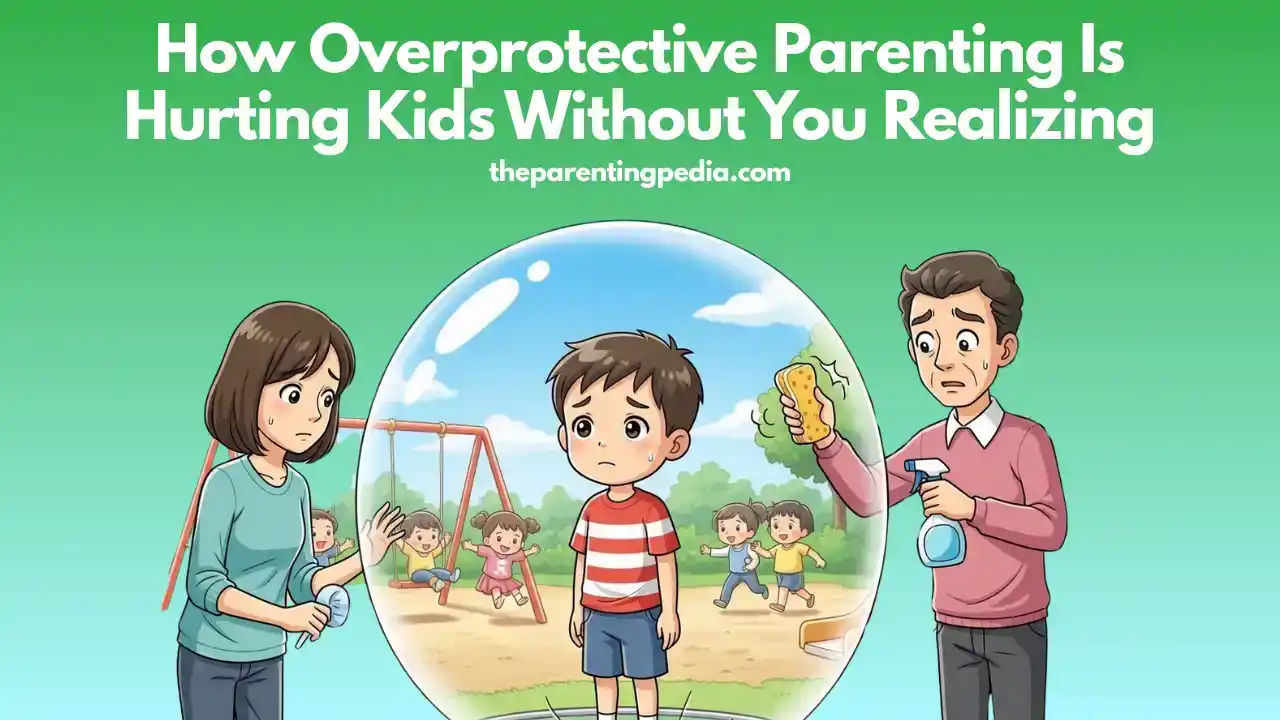
Modern children spend more time online than ever before. While technology offers educational benefits, it also introduces risks such as cyberbullying, privacy concerns, and exposure to inappropriate content.
How Parents Can Improve Safety Awareness
Parents should establish healthy screen-time boundaries, discuss online safety, monitor digital activities, and encourage open conversations about internet experiences. Teaching children to recognize risks helps them make safer decisions.

Encouraging Healthy Habits For Building Awareness Among Parents and Children
Building a Strong Foundation for Growth
Healthy habits developed during childhood often continue into adulthood. Parents play a crucial role in shaping these habits through daily routines and positive examples.
Habits That Support Healthy Development
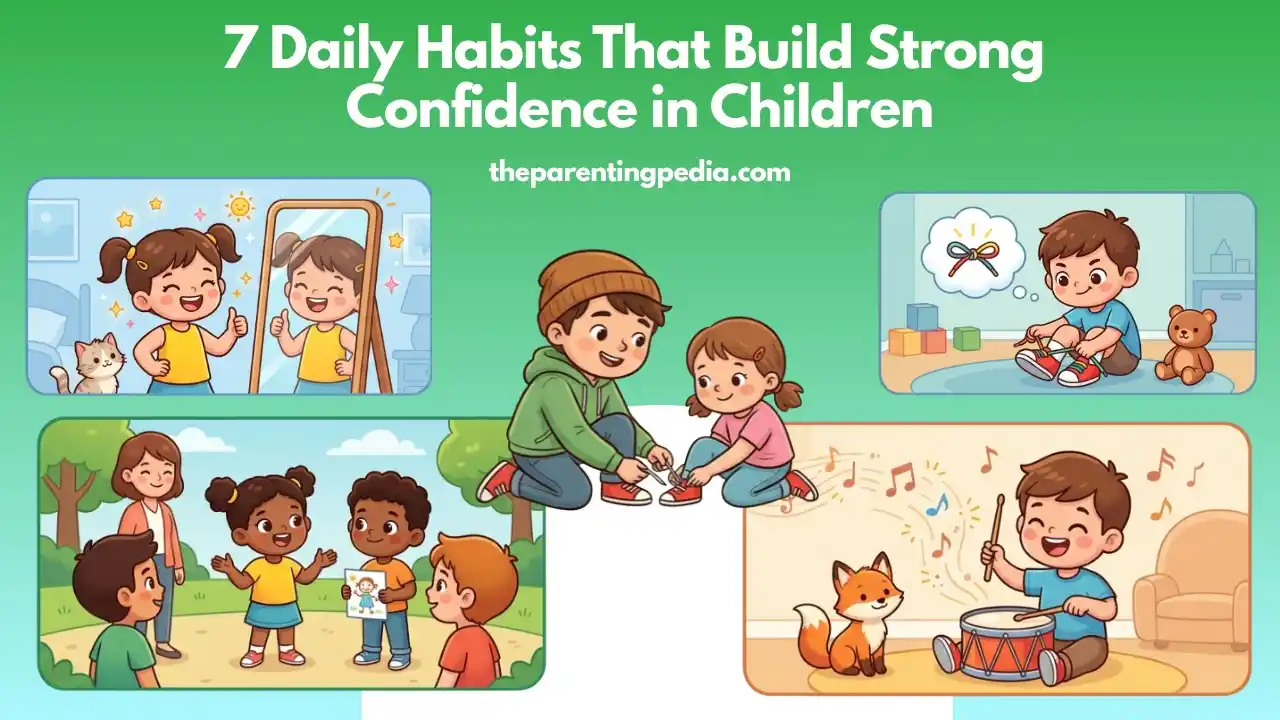
Encourage regular physical activity, balanced nutrition, adequate sleep, reading, and positive social interactions. These habits contribute to stronger physical health, emotional stability, and academic success.
Teaching Privacy and Personal Boundaries
Helping Children Make Responsible Choices
As children spend more time online, understanding privacy becomes increasingly important. Children should learn how to protect personal information and respect the boundaries of others.
Practical Ways to Teach Privacy
Discuss safe internet use, explain the risks of sharing personal information, and encourage children to think carefully before posting or communicating online.
Creating Opportunities for Communication
Building Trust Through Open Conversations
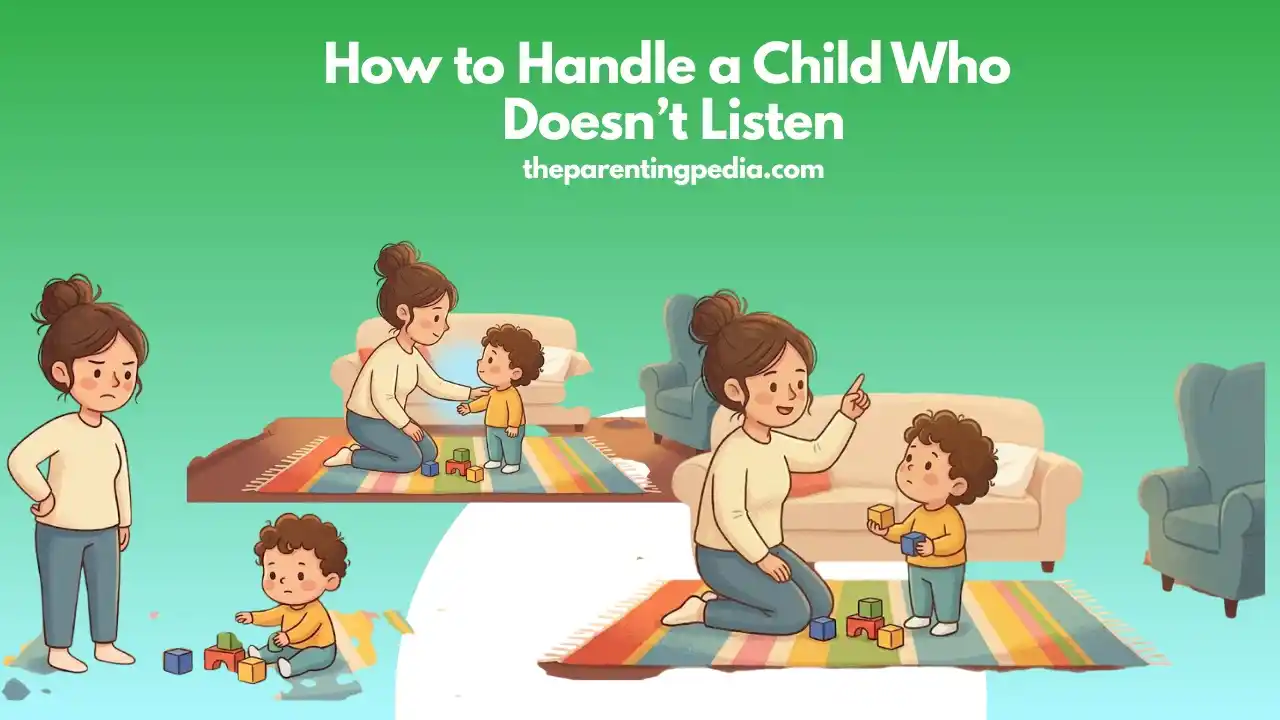
Children need a safe space where they feel comfortable expressing their thoughts and emotions. Open communication strengthens trust and helps children develop emotional awareness.
Encouraging Emotional Expression
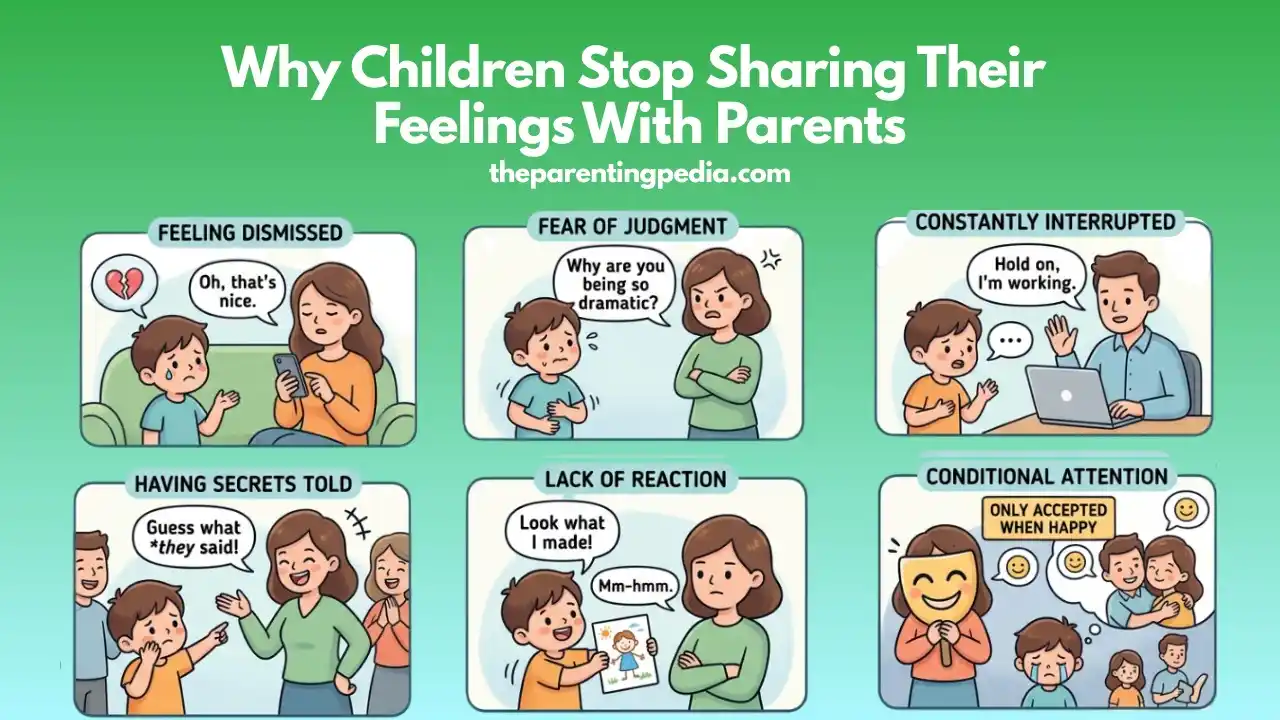
Listen without judgment, validate feelings, and encourage children to talk about both positive and negative experiences. Regular conversations help children feel supported and understood.
Parents can further support emotional growth by learning more about emotional intelligence in kids and its long-term benefits.

Conclusion
Building awareness among parents and children is an ongoing process that strengthens families and supports healthy development. By understanding child development, promoting mental health, encouraging healthy habits, prioritizing safety, and maintaining open communication, parents can create an environment where children feel secure, valued, and confident. Small daily efforts can have a lasting impact, helping children grow into resilient, responsible, and emotionally healthy individuals.
Families looking for additional guidance on children’s mental health and development can explore resources from the World Health Organization.
Frequently Asked Quest1ions (FAQs)
1. What are effective ways for Building Awareness Among Parents and Children
?
Parents can build awareness in children by encouraging open communication, asking reflective questions, discussing emotions, and providing opportunities for learning through everyday experiences. Activities such as reading, storytelling, journaling, and mindfulness can also help children understand themselves and their surroundings.
2. Why are routines important for children’s awareness?
Routines provide structure, stability, and consistency in a child’s life. They help children understand responsibilities, develop healthy habits, and feel emotionally secure. Consistent routines also allow parents to identify behavioral or emotional changes more easily.
3. How can parents improve their child’s social awareness?
Parents can improve social awareness by teaching empathy, encouraging teamwork, discussing real-life situations, and helping children understand the feelings of others. Positive social interactions and group activities also contribute to stronger social skills.
4. At what age should awareness-building begin?
Awareness-building should begin during early childhood. Even toddlers can learn simple concepts such as sharing, kindness, communication, and recognizing emotions. As children grow, parents can introduce more advanced discussions based on their age and understanding.
5. Can awareness affect a child’s future success?
Yes. Awareness helps children develop confidence, emotional intelligence, decision-making skills, and resilience. These qualities contribute to healthier relationships, better academic performance, and greater success later in life.

About the Author
Kaushiik Sampat is the founder of The Parenting Pedia and writes about parenting, child behavior, emotional development, and family well-being. Through practical guides and research-based insights, he helps parents make informed decisions that support children’s healthy growth and learning.